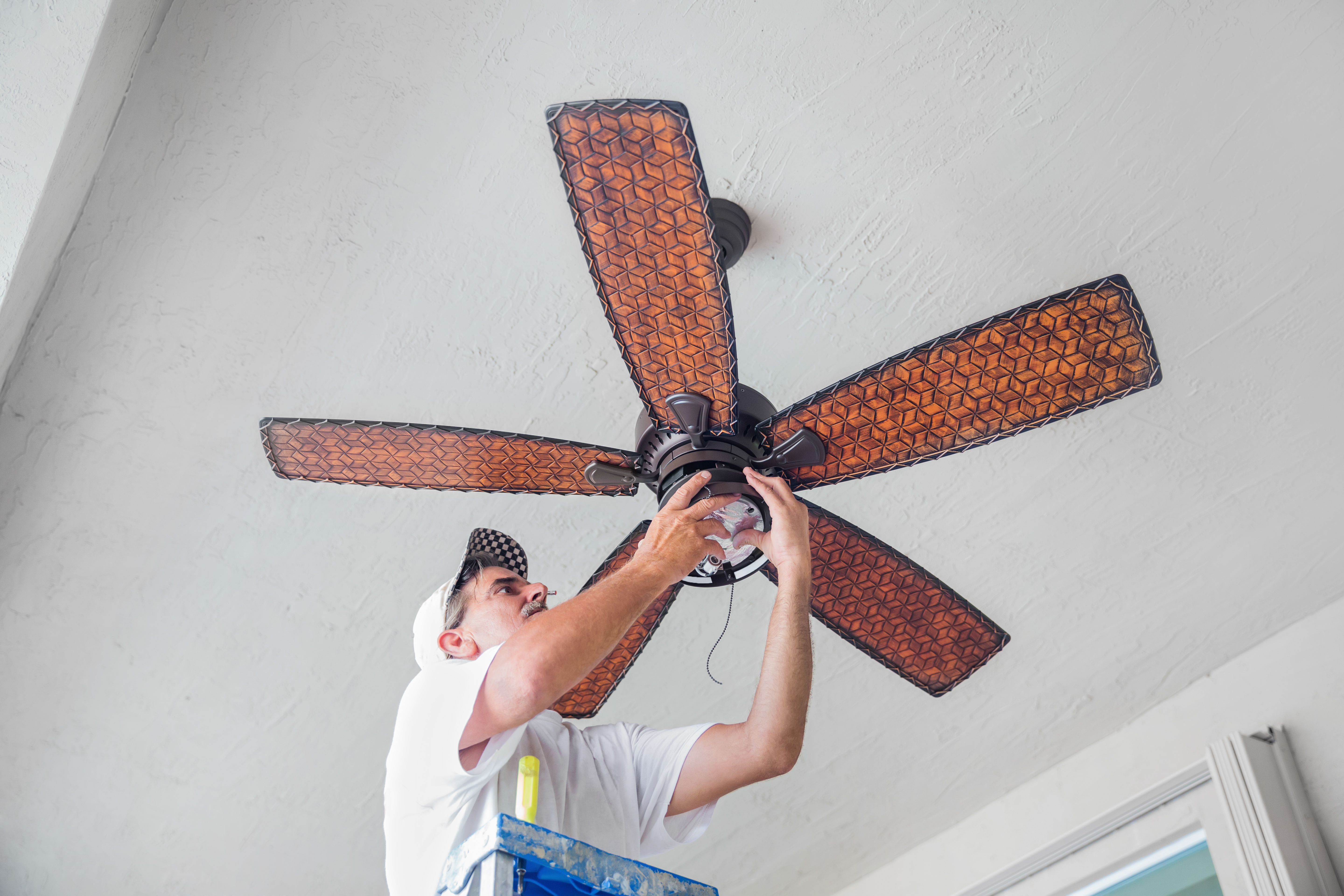










Top-rated ceiling fan pros.

Get matched with top ceiling fan pros in Sparta, MO

Enter your zip and get matched with up to 5 pros

Need a pro for your ceiling fan service project in Sparta, MO?

Select your specific project to find the pro for you.

TRUSTED BY SPARTA, MO HOMEOWNERS

  • Average homeowner rating star icon4.1
    Average homeowner rating
  • Verified reviews icon17
    Verified ceiling fan services reviews

Find Ceiling fan pros in Sparta

Avatar for Barr Electric, LLC
Barr Electric, LLC
4.8(
29
)
Ceiling Fan - InstallCeiling Fan - Repair

Serving Sparta, MO and surrounding areas

Approved

In business since 2019

Free estimates

Offers commercial services

"Barr Electric has done several jobs for me and they have all been completely to my total satisfaction. Matt is knowledgeable, courteous and honest. A rare combination these days. He comes with my highest recommendation."
Cool fixture
Brass fixture
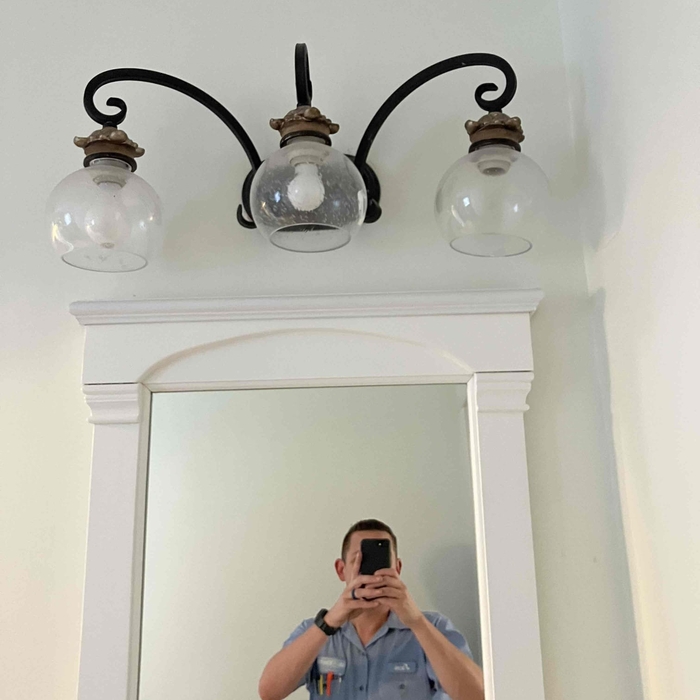
Bar lights
Response time4 hrs
Response rate94%
Recommended by92%of homeowners

Hicks Home Solutions
5.0(
3
)
Ceiling Fan - Install

Serving Sparta, MO and surrounding areas

Approved

Free estimates

Emergency services offered

Small jobs welcome

"Excellent experience from start to finish. They installed a dog door, a bathroom exhaust fan, and a couple ceiling fans, and everything was completed professionally and with great attention to detail. They showed up on time, kept the work area clean, and made sure everything worked perfectly before leaving. The pricing was fair, communication was excellent, and the quality of the workmanship exceeded my expectations. I would definitely hire them again and highly recommend them to anyone looking for reliable home improvement services"
42 neighbors recently requested a quote
...
Showing 1-10 of 62
Ceiling Fans questions, answered by experts

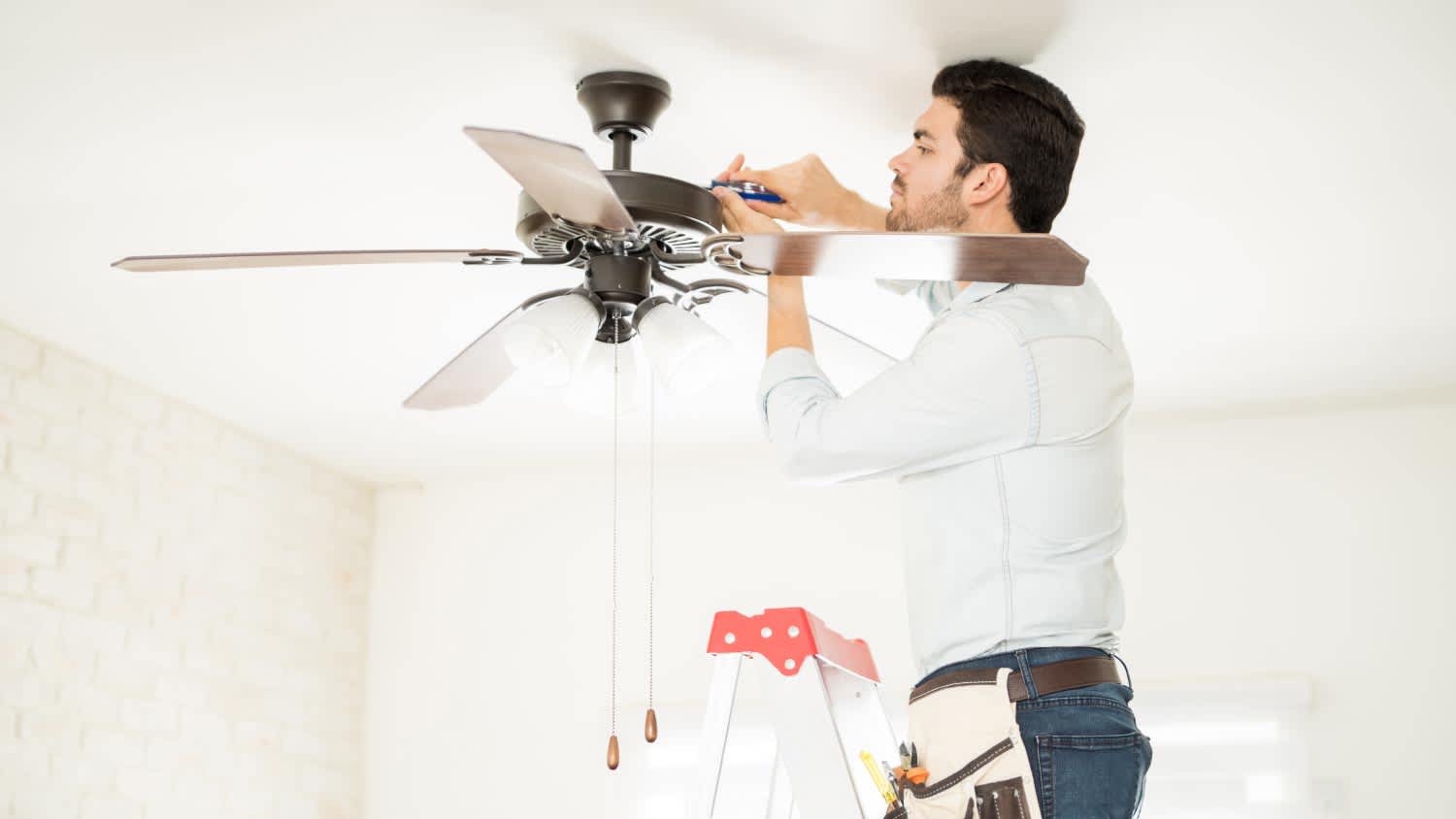
Yes, you can install a ceiling fan where a standard light fixture is, as the electrical wiring is often similar and may not need to be replaced. The most important step is to ensure the ceiling can support the fan's weight and motion. You will need to replace the existing light fixture's electrical box with a fan-rated electrical box, which is specifically designed to handle the extra weight and vibration. These boxes will be labeled as suitable for ceiling fan support and will indicate the maximum weight they can hold. Before you begin, also consider if you need an extension rod for a high ceiling or a special mount for an angled ceiling.

There are many types of ceiling fans, from self-automated smart ceiling fans to outdoor ceiling fans that provide additional comfort to your patio. What you choose all comes down to function and personal taste.

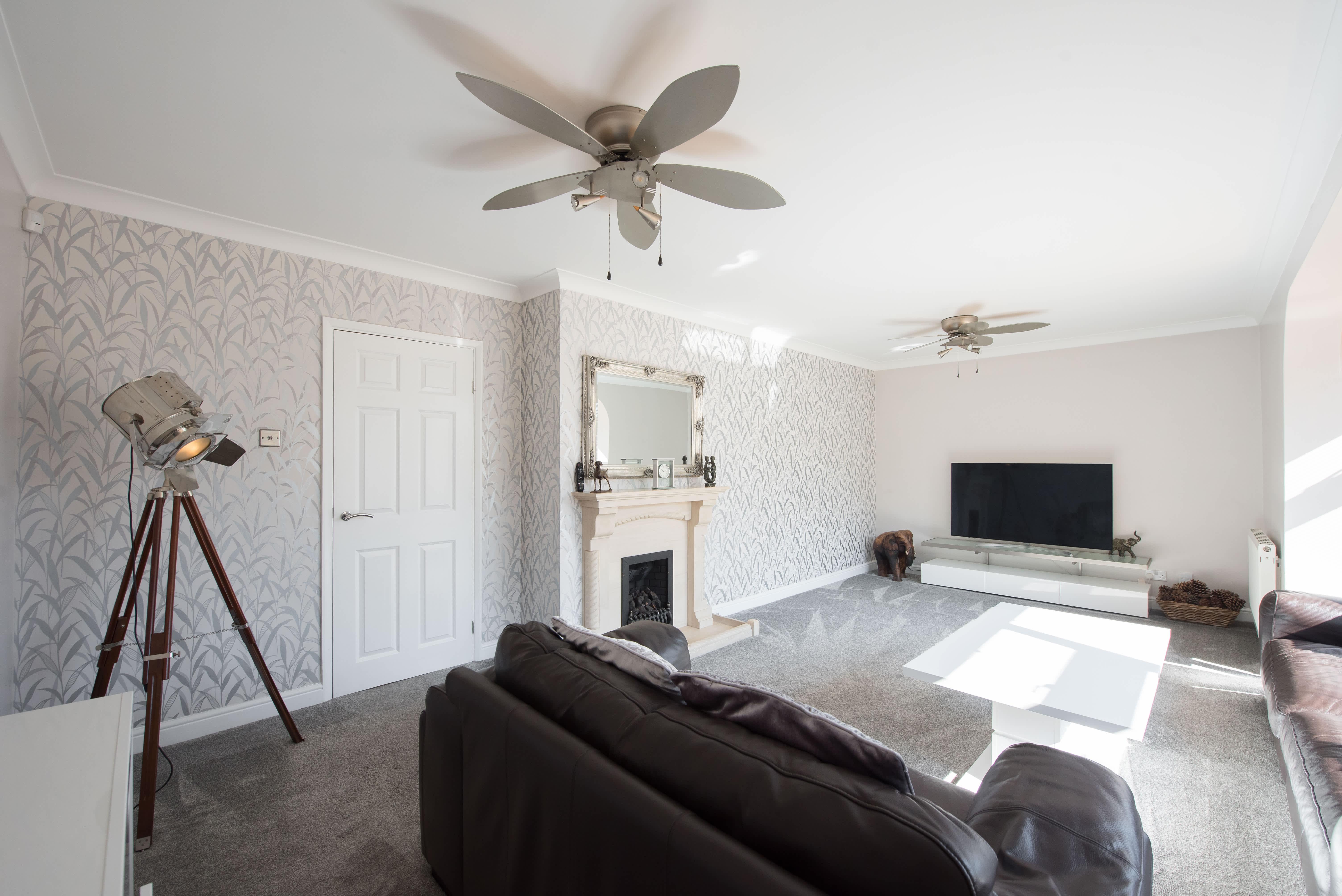
Consider your ceiling height when selecting a ceiling fan. Rooms with ceilings under eight feet high will do well with low-profile ceiling fans, also known as flush-mount or hugger ceiling fans. If your home has cathedral ceilings or ceilings between 10 and 25 feet high, you’ll need a large ceiling fan with a heavy-duty motor to get adequate air circulation.

The number of blades for your fan poses both advantages and disadvantages. Typically, the more blades on a fan, the better the air distribution and cooling effect, but this also means that your fan will have more wear on its motor. For small rooms, three-blade fans should work fine. For larger areas like living rooms, four or five-blade fans might be the better option. 

Ceiling fans are very often worth the investment because they improve comfort in your living space and help reduce utility bills. In the late spring and early fall—and even in the summer in some areas—homeowners with ceiling fans can often get away with open windows and fans, which can cut down on cooling bills and also reduce wear and tear on the HVAC system. Over time, ceiling fans can pay for themselves by saving you money on electric bills and air conditioner repair and maintenance.

The direction your ceiling fan spins helps create comfortable airflow in your home and can also help cut down on energy costs. 

During summer, your ceiling fan should spin counterclockwise. This will push cooler air downward in a column and help lower your room’s air temperature. In the winter, set your ceiling fan to spin clockwise and at the lowest speed setting. This will pull cool air upwards, displacing the warm air that pools towards the top of your ceiling and bringing it down towards the floor.

The Sparta, MO homeowners’ guide to ceiling fan services

From average costs to expert advice, get all the answers you need to get your job done.