




Get matched with top arborists in Lilbourn, MO
Top-rated arborists.

Need a pro for your arboricultural service project in Lilbourn, MO?

Select your specific project to find the pro for you.

Find Arborists in Lilbourn

Avatar for Stanley's Home Improvement
Stanley's Home Improvement
3.3(
12
)

Serving Lilbourn, MO and surrounding areas

Free estimates

Emergency services offered

"They did a very amazing job with the amount of trees i was needing done, they was very respectful and a very affordable price, my wife also hired then again when they mentioned landscaping and it was outstanding. I will call them again for the trees and landscaping needs next year!"
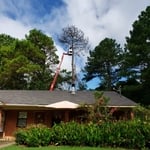
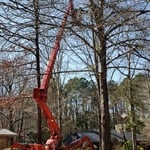
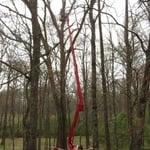
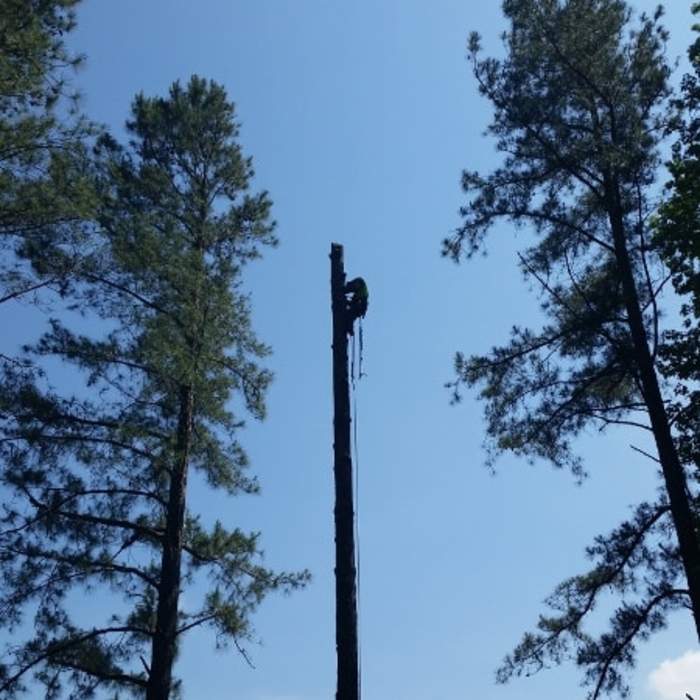
Additional Photos
Additional Photos
Additional Photos
Additional Photos
Additional Photos

+8

Recommended by77%of homeowners
Avatar for Riley's Tree Removal
Riley's Tree Removal
5.0(
1
)

Serving Lilbourn, MO and surrounding areas

In business since 2023

Free estimates

Credit card accepted

We take great pride in our experience, expertise, quality, and customer service that we provide to meet the consumer’s needs. It is our mission to provide excellent workmanship and complete customer satisfaction from start to completion of a project. In order to understand the needs and expectations of our customers, we take great care to work and communicate with every customer in a professional manner. Our reputation is based on service, safety, and quality, regardless of how large or small the job.\n

Response time3 days
Showing 1-10 of 38
Arborists questions, answered by experts

It’s not as common for Dutch elm disease to affect other types of trees, especially if the surrounding trees aren’t elms. However, it is possible for DED to spread to other trees, particularly in northern states, like Minnesota. In fact, it’s a good idea to use geography to identify wood and determine which types of trees are in your yard. 

Unfortunately, the complex and shallow root system of elm trees makes surrounding elm trees particularly vulnerable to DED. Early discovery is key!

You can use the formula mentioned earlier to calculate the depth of tree roots. Each inch of width of a tree trunk translates to six inches of depth within the root system. Large trees extend anywhere from 2 to 6 feet into the ground, with some magnificent specimens going even deeper.

Trees provide many benefits, including shade, habitat for local wildlife, and cleaner air, so it’s always a good idea to try an alternative strategy like crown reduction before you chop one down. But sometimes, cutting down a tree is the only option (like if it’s severely diseased). A licensed arborist can assess the tree and recommend the best course of action.

While it’s best to have access to large, healthy, strong trees in a safe position, treehouse living is still possible without them. Contractors can fit tree posts to build the structure onto or use posts as additional support alongside the trees themselves. If you’re in doubt about the suitability of the trees on your land, consult with a local treehouse builder before you start the project.

Yes, it’s okay to trim low branches on a tree, also known as limbing up or raising the crown. Essentially, you’ll trim the lower third of the tree (trunk) and leave the upper two-thirds of the tree (crown). Arborists recommend trimming 20% of a tree’s leaves per season for two to three seasons. Trimming low branches allows light to flow through the tree, increasing circulation and making the tree stronger and healthier.

The Lilbourn, MO homeowners’ guide to arboricultural services

From average costs to expert advice, get all the answers you need to get your job done.