

Top-rated tree service pros.

Get matched with top tree service pros in Garfield, AR

Enter your zip and get matched with up to 5 pros

Need a pro for your tree service project in Garfield, AR?

Select your specific project to find the pro for you.

TRUSTED BY GARFIELD, AR HOMEOWNERS

  • Average homeowner rating star icon4.7
    Average homeowner rating
  • Verified reviews icon295
    Verified tree services reviews

Find Tree service pros in Garfield

Avatar for M. S. Wiekhorst Arbor Company NWA
M. S. Wiekhorst Arbor Company NWA
4.8(
23
)
Tree RemovalTree Removal - For BusinessTree Stump - Remove+3 more

Serving Garfield, AR and surrounding areas

Approved

In business since 2006

Free estimates

Emergency services offered

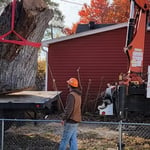
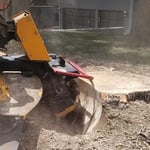
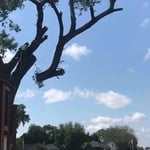
ISA Board Certified Master Arborist\n\nAt M. S. Wiekhorst Arbor Company NWA, we have a passion for trees! Our team of Certified Arborists will provide free, on-site consultations and estimates for your project.\nWe specialize in tree trimming and removals, pesticide applications, fertilization, stump grinding, cabling and bracing, lightning protection, planting and transplanting, land clearing, utility clearance, inventories, storm damage mitigation and much more.\nWe want to earn your business year after year, not just today, so your complete satisfaction is our top priority. Call today to see what we can do for your trees!

Tree Removal
Tree Trimming
Tree Stump Removal
Cottonwood Removal
Cottonwood Removal

+14

2 neighbors recently requested a quote
Recommended by73%of homeowners
S&S Tree Service
0.5(
1
)
Tree RemovalTree Removal - For BusinessTree Stump - Remove+2 more

Serving Garfield, AR and surrounding areas

Approved

In business since 2000

Free estimates

Offers commercial services

We take great pride in our experience, expertise, quality and customer service that we provide to meet the consumers needs. It is our mission to provide excellent workmanship and complete customer satisfaction from start to completion of a project. In order to understand the needs and expectations of our customers, we take great care to work and communicate with every customer in a professional manner. Our reputation is based on service, safety and quality, regardless of how large or small the job.

Response time4 hrs
Response rate100%
...
Showing 1-10 of 137
Tree Service questions, answered by experts

Most experts recommend removing a tree that has sustained more than 25% loss in the limbs, trunk, or circumference of the bark. Doing an initial trimming of damaged and dangling branches, but then waiting a few days of monitoring to decide how much more you might need to cut can help you better assess the total damage to the tree. However, consulting a tree maintenance pro to make this determination the best course of action before removing a tree.

Generally, homeowners do not need permission to cut down a tree on their own private property, but there are several exceptions where a permit may be required. You might need a permit if the tree is particularly large, old, or a protected species, such as a heritage tree. Trees located near public property or power lines can also be subject to special rules. Additionally, many local governments and homeowners associations (HOAs) have regulations controlling which trees can be removed to manage an area's appearance or prevent the spread of invasive species. To avoid hefty fines, it is crucial to check with your local government and HOA to determine if a permit is needed before you begin.

Deciduous shade trees (the type of trees whose leaves fall off in autumn) need to be pruned in late winter—between February and March. That’s because it’s easier to find and remove sick or dead branches when no leaves are present. And wounds close and heal faster in colder temperatures so pruning them at this time also makes them less prone to infection.

Local tree removal prices range from $200 to $2,000 overall, but vary depending on:

  • Local cost of labor and supplies

  • Accessibility of the tree

  • Local laws regarding who is allowed to remove the tree

  • The species of the tree (softer woods are often easier to remove)

  • Local seasonal discounts for the off-season

Palm trees are unique in that their roots don't grow straight down; they grow horizontally. Typically, palm tree roots go down between 12 and 36 inches deep. The roots grow far and wide from the base of the palm tree to absorb as much water and soil nutrients as possible. In addition, the horizontal roots are also very strong—keeping palm trees stable and helping them sway during storms.

The Garfield, AR homeowners’ guide to tree services

From average costs to expert advice, get all the answers you need to get your job done.