


Get matched with top fencing pros in Pilot Knob, MO
Top-rated fencing pros.

Need a pro for your fencing service project in Pilot Knob, MO?

Select your specific project to find the pro for you.

Find Fencing pros in Pilot Knob

Avatar for Matt's General Home Improvements
Matt's General Home Improvements
5.0(
22
)

Serving Pilot Knob, MO and surrounding areas

Approved

In business since 2020

Free estimates

Emergency services offered

"Matt was professional, arrived on time, and gave a fair price for all work performed. He performed the entire job (dry wall installation, trim repair, and painting) himself. He communicated well throughout the process and was happy to explain any work he did. He says he won't do anything that he wouldn't do in his own home, and cares about the customer's happiness over getting the job done quick."
Response time8 hrs
Recommended by85%of homeowners
Avatar for J&M Construction & Fencing LLC
J&M Construction & Fencing LLC
5.0(
5
)

Serving Pilot Knob, MO and surrounding areas

In business since 2018

Free estimates

Emergency services offered

"Always responded promptly to my questions or texted. Work site was clean and picked up after the job was completed. Friendly and honest company. Would use them again without hesitation."
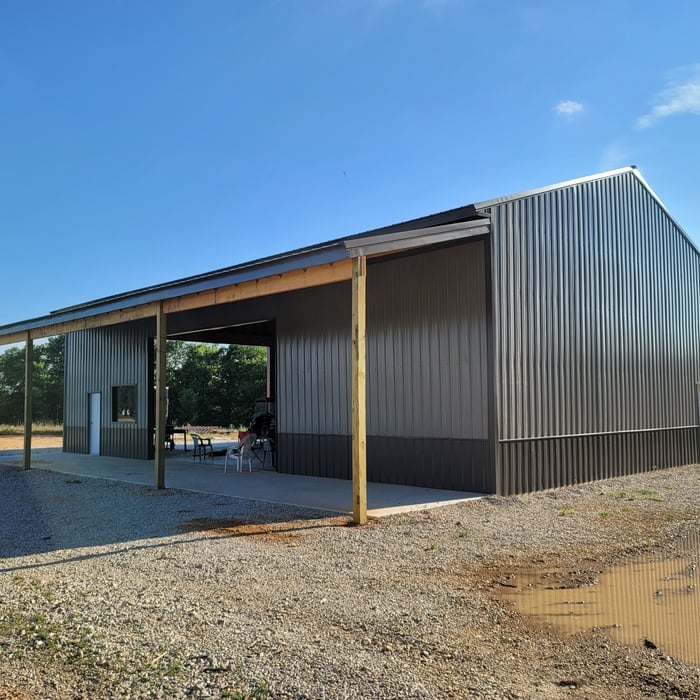
40x60 shop
40x60 shop
40x60 shop
40x60 shop
40x60 shop

+217

Response time1 day
Response rate97%
Recommended by100%of homeowners
Showing 1-10 of 40
Fencing questions, answered by experts

Ideally, your concrete should set slightly above ground at an angle sloping away from the fence post. This will add extra support and allow water to run away from the wood fence post. Keeping water out will help prevent wood rot. Additionally, you can add soil on top of the concrete for a seamless finish. 

Post depth for shadowbox fences should be at least two feet deep plus an additional foot for every foot of fence height above four feet. For a standard six-foot fence, this means a minimum depth of 3 feet. This depth helps to protect the structural integrity of your fence in the face of wind, soil movement, and seasonal ground shifts

Typically, a fence requires one to two coats of stain. The exact number can vary depending on the porosity of the wood. For specific guidance, it's best to check the manufacturer's instructions. After applying the first coat and letting it dry completely, you can assess the finish. If it appears patchy, uneven, or you want a more saturated color, a second coat is recommended. An extra coat can also help cover lap marks.

There are different types of pet fencing available to keep your furry family member safe:

  • Chain link fencing is an affordable but not visually appealing option.

  • Vinyl panel fencing is less easily damaged than wood. 

  • Wood fencing is customizable but requires regular maintenance. 

  • Metal iron fencing provides a sleek look but doesn’t block your pet’s view. 

  • Electric fencing eliminates the need for a traditional fence, but it could be painful to your pet. 

  • Picket fencing adds to your curb appeal but won’t contain most pets. 

  • Brick or stone fencing stops pets from digging out of the yard but costs more.

There are two things you can do to make a fence replacement easier—but keep in mind that easier doesn’t mean better. First, you can use a jack or some other type of machinery to pull the post out of the ground. If that’s not available, a digging bar can help.

Second, you can backfill the hole with gravel rather than creating a concrete footing. Keep in mind, gravel is less secure. You should only use it if you’re installing a lightweight fence or have heavier, clay soil.

The Pilot Knob, MO homeowners’ guide to fencing services

From average costs to expert advice, get all the answers you need to get your job done.