



Top-rated fencing pros.

Get matched with top fencing pros in Bourbon, MO

Enter your zip and get matched with up to 5 pros

Need a pro for your fencing service project in Bourbon, MO?

Select your specific project to find the pro for you.

TRUSTED BY BOURBON, MO HOMEOWNERS

  • Average homeowner rating star icon4.7
    Average homeowner rating
  • Verified reviews icon22
    Verified fencing services reviews

Find Fencing pros in Bourbon

Avatar for Crocker Fence Co.
Crocker Fence Co.
4.8(
34
)
Barbed Wire Fence - InstallBarbed Wire Fence - RepairChain Link Fence - Install+1 more

Serving Bourbon, MO and surrounding areas

In business since 2004

Free estimates

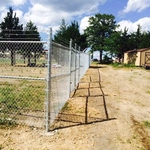
"They were prompt, moved the fallen tree from the fence line (so we didn?t have to do it), and did a good job explaining the types of chain link fabric replacements. Over all, very happy with them (even though one of the anchor posts is a little off vertical)."
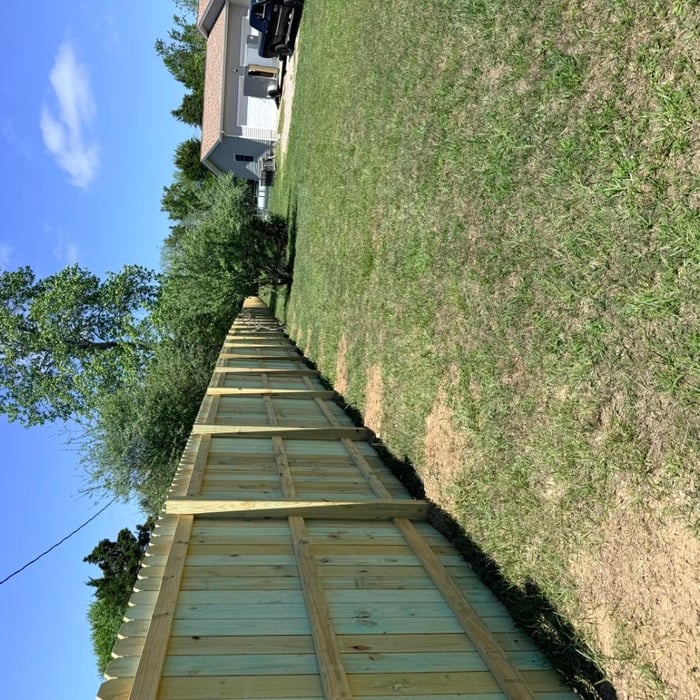
Pole barn grading
Pole barn grading
Start pole barn grading
Chain link fence
Chain link fence

+66

Response time2 days
Recommended by100%of homeowners

...
Showing 1-10 of 57
Fencing questions, answered by experts

In terms of materials, chicken wire mesh will be the most inexpensive option to use when building your fence. The downside is that it’s not the most attractive garden fence option. In a similar vein, you could choose a DIY fence made out of repurposed items, like car tires, or wooden pallets, either of which would be free to collect. 

A wobbly fence can be caused by a number of things, though poor installation is the usual culprit. It’s always best to have your fence installed by a professional who can ensure the posts are placed correctly and that the chain links have the correct amount of tension.

Both nails and screws are common in fence construction, including on pickets. Some builders prefer to use nails when connecting the pickets to the rails and screws when connecting the rails to the posts. However, the best option usually depends on the type of wood fencing and the variety of wood you choose.

A silt fence should be buried in a trench that is 6 to 12 inches deep. A depth of at least 6 to 8 inches is necessary to prevent water and sediment from running underneath the fence. A deeper trench, up to 12 inches, provides better anchoring during wet and windy weather. To ensure proper installation, look for a red line on the silt fence fabric, which often indicates the correct burial depth. Always adhere to local guidelines and regulations; a professional contractor will be familiar with these requirements.

You should stain both sides of your fence to get the full benefits. Fences often fall along property lines, so you may want to save a buck by leaving your neighbor’s side in the dust. If you do that, all you get is a slightly better view. Moisture and UV rays can still sneak in through the side that’s unpainted or worn down and damage your fence. Rot and rust will spread, even if you can’t see it from your side of the lawn.

The Bourbon, MO homeowners’ guide to fencing services

From average costs to expert advice, get all the answers you need to get your job done.