



Top-rated fencing pros.

Get matched with top fencing pros in Greenville, MO

Enter your zip and get matched with up to 5 pros

Need a pro for your fencing service project in Greenville, MO?

Select your specific project to find the pro for you.

Find Fencing pros in Greenville

Avatar for Payne's Handyman Services
Payne's Handyman Services
New to Angi

Serving Greenville, MO and surrounding areas

Approved

In business since 2021

Free estimates

Small jobs welcome

At Payne's Handyman Services our passion and experience shine through on every job, big or small. We pride ourselves on attention to detail and building long-lasting business relationships with our clients. Call today for a free estimate!

Response time3 days
Avatar for Wise Guys
Wise Guys
5.0(
4
)

Serving Greenville, MO and surrounding areas

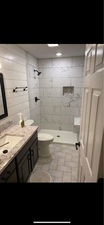
"Great! They laid it out beautifully. I appreciate how they covered my carpet to protect it and kept the dust down to a minimum. My bathroom and kitchen really look nice. I will use them again for my next tile project."
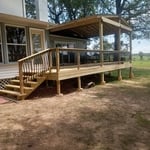
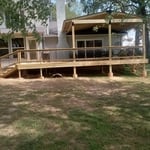
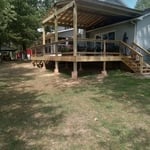
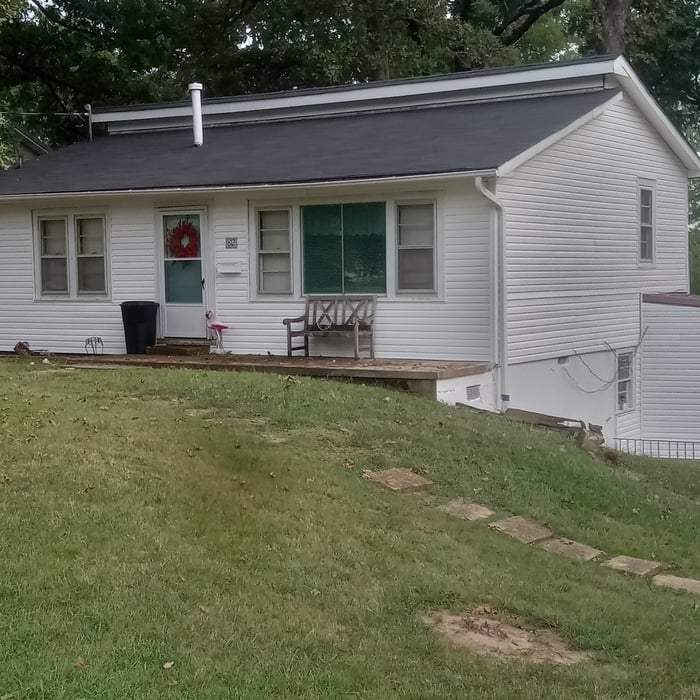
Additional Photos
Additional Photos
Additional Photos
Additional Photos
Recommended by100%of homeowners
Showing 1-10 of 39
Fencing questions, answered by experts

Vinyl and chicken wire are two of the best and most affordable materials for a DIY garden fence. Vinyl is a great option because it is cost-effective, easy to work with, and effective at keeping pests out. A vinyl fence can cost as little as $15 per linear foot, especially if you install it yourself. Chicken wire is even more budget-friendly, costing as little as $2 per linear foot. While chicken wire is more affordable, vinyl is a better choice if privacy is a concern. You can also add chicken wire on top of a vinyl fence for extra security.

Yes, a double fence can keep deer out of your yard by using the deer’s limited depth perception. For example, a 6-foot tall fence with another 4-foot fence a couple feet from the outer fence makes it look more difficult and unsafe for the deer to jump and land safely. You can even mimic the look of a double fence by using wire or a clothesline.

The lifespan of a fence can range from 5 to 50 years, depending heavily on the material, local climate, and how well it is maintained. For example, a wooden fence might last 7 to 15 years, while a vinyl fence typically lasts 20 to 30 years. Metal, composite, and glass fences have some of the longest lifespans. Proper maintenance, such as regular cleaning, inspections, and staining or sealing for wood, is key to extending the life of any fence material. Vinyl and composite are durable options that don't require sealing.

In most states, it is a legal requirement to have a fence around your pool to protect both swimmers and pool owners. These laws can vary by state, city, and county, so you must research the specific regulations in your area before installation. The rules may also differ for inground versus above-ground pools, with inground pools typically requiring a full fence. Additionally, most homeowners' insurance providers will require a fence around a residential pool before providing coverage. As a general rule, it's always best to have a fence for everyone's safety.

Painting or staining protects fences from environmental damage, enhances durability, and improves curb appeal with a fresh, customized look.

The Greenville, MO homeowners’ guide to fencing services

From average costs to expert advice, get all the answers you need to get your job done.