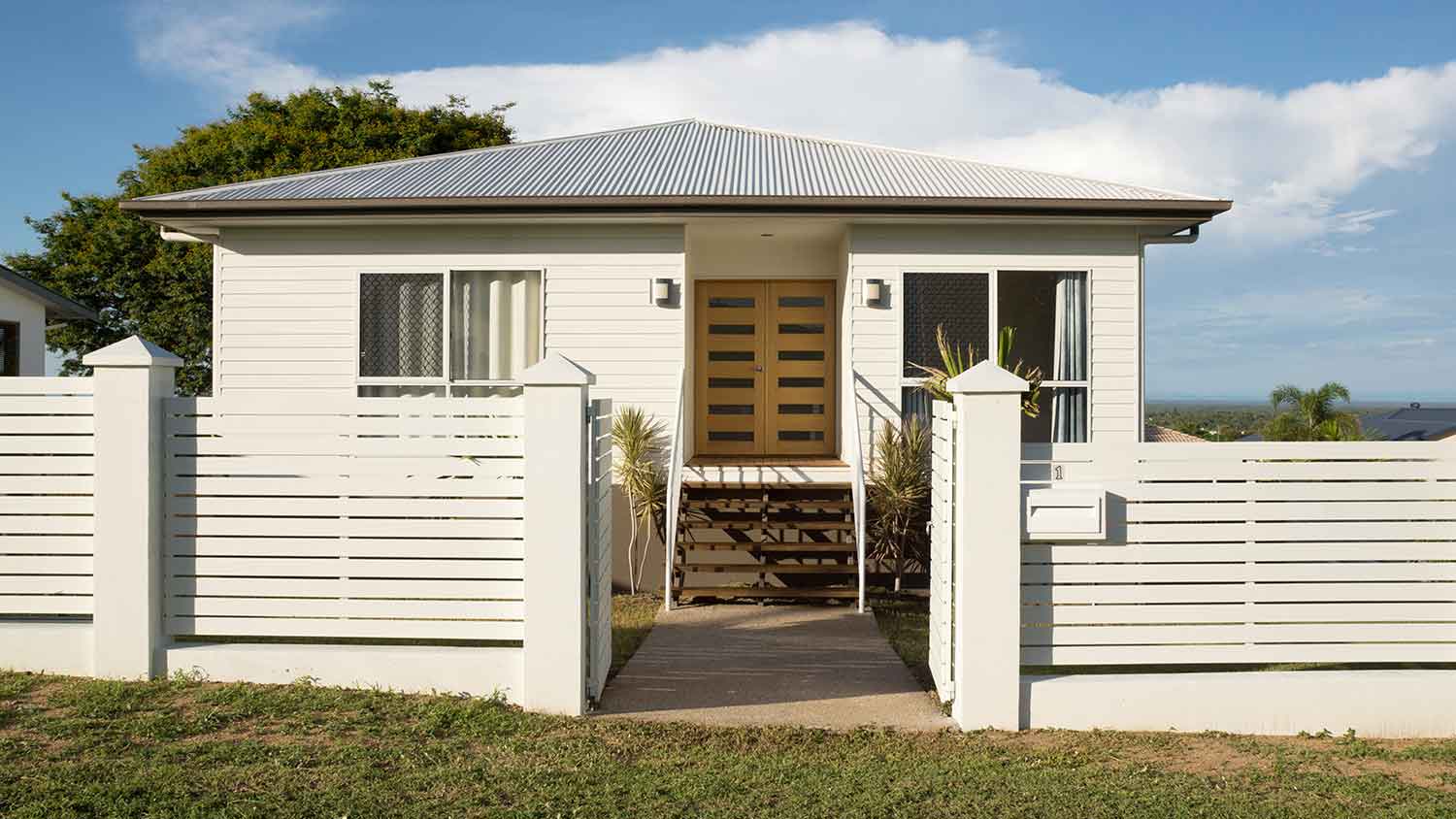







Top-rated fencing pros.

Get matched with top fencing pros in Viburnum, MO

Enter your zip and get matched with up to 5 pros

Need a pro for your fencing service project in Viburnum, MO?

Select your specific project to find the pro for you.

Find Fencing pros in Viburnum

Avatar for J&M Construction & Fencing LLC
J&M Construction & Fencing LLC
5.0(
5
)

Serving Viburnum, MO and surrounding areas

In business since 2018

Free estimates

Emergency services offered

"Always responded promptly to my questions or texted. Work site was clean and picked up after the job was completed. Friendly and honest company. Would use them again without hesitation."
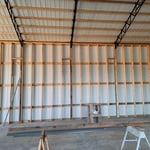
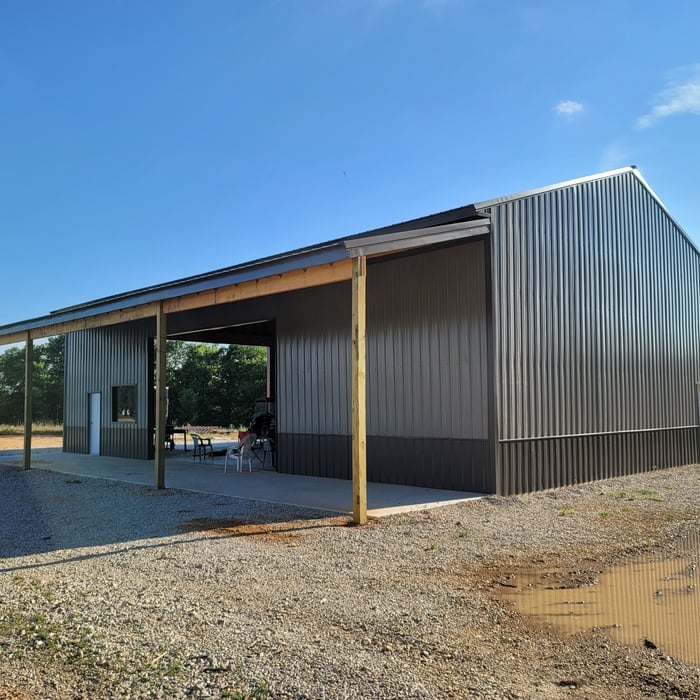
40x60 shop
40x60 shop
40x60 shop
40x60 shop
40x60 shop

+217

Response time1 day
Response rate97%
Recommended by100%of homeowners
Showing 1-10 of 36
Fencing questions, answered by experts

Vinyl and chicken wire are two of the best and most affordable materials for a DIY garden fence. Vinyl is a great option because it is cost-effective, easy to work with, and effective at keeping pests out. A vinyl fence can cost as little as $15 per linear foot, especially if you install it yourself. Chicken wire is even more budget-friendly, costing as little as $2 per linear foot. While chicken wire is more affordable, vinyl is a better choice if privacy is a concern. You can also add chicken wire on top of a vinyl fence for extra security.

When it comes to aluminum fence post depth, the posts should typically be about one-third of the length of the fence post deep into the ground. However, it's always best to check with your fencing manufacturer's recommendations to ensure you install it at the recommended depth for stability.

The most common hog wire gauge for a fence is 12.5. However, you can choose from a few gauges based on your needs. While 12.5 is a reliable gauge for penning in large, strong animals, 9 gauge is a better option of you have large animals that are easily spooked, such as horses. For smaller animals, like dogs or pigs, you can use a 16 gauge hog wire.

You’ll need to bury the garden fence about 1 foot underground. It’s tempting to save on materials by burying the fence just a couple of inches, but if you do so, determined pests will still be able to dig under the fence and access your plants. Burying your garden fence deep into the soil is an important step that allows you to attach a wire barrier to the fencing. 

Burrowing animals (like voles, moles, rabbits, and gophers) can’t dig or chew through this wiring, meaning that you’ll be keeping your prized petunias or your robust veggie garden from being eaten.

No, fence posts aren’t always set in concrete. If you don’t want to use concrete footings for your posts, expanding foam is a popular alternative. Expanding foam and concrete each have certain pros and cons. For instance, foam is easier to install and more sustainable, but concrete is sturdier and less expensive.

The Viburnum, MO homeowners’ guide to fencing services

From average costs to expert advice, get all the answers you need to get your job done.