




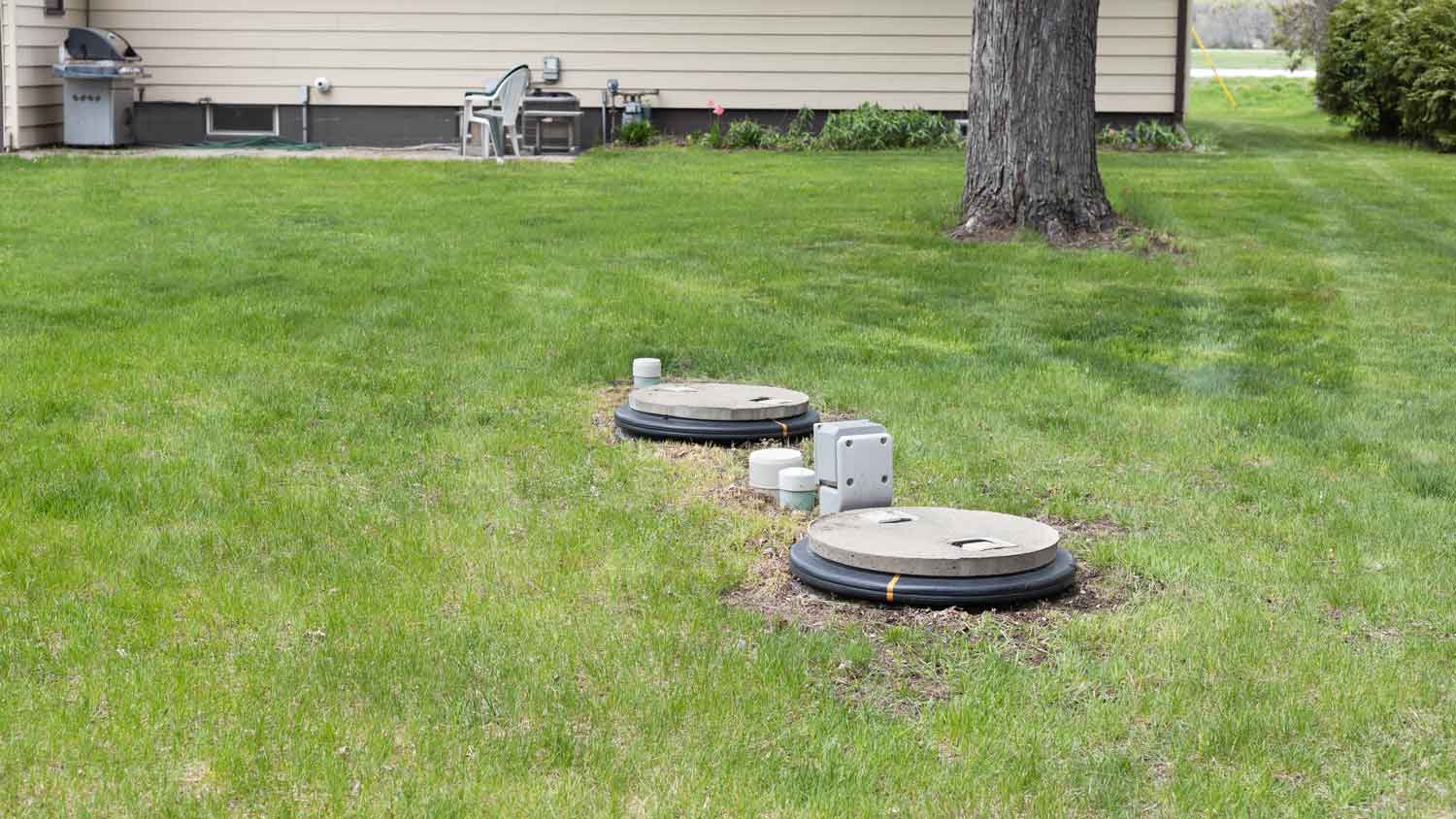
Top-rated percolation testing pros.

Best percolation testing pros near Parkville, MO

Enter your zip and get matched with up to 5 pros

Need a pro for your percolation testing project in Parkville, MO?

Select your specific project to find the pro for you.

TRUSTED BY PARKVILLE, MO HOMEOWNERS

  • Average homeowner rating star icon4.6
    Average homeowner rating
  • Verified reviews icon1k+
    Verified percolation testing services reviews

Top-Rated Percolation testing pros in Parkville - Updated Nov 2026

No results for Percolation testing pro in

Try adjusting your search criteria.
Percolation Tests FAQs, answered by experts

If you think you’ve touched asbestos, do not put on a mask. This is important because you may take the asbestos fibers on your hands on trap them in the mask. Make your way to a sink and wash your hands thoroughly. Remove any clothes and seal them in a bag, then take a shower. Call your doctor and let them know you’ve been exposed to asbestos, and make sure you see them as soon as possible. The reason you keep the clothes is in case anyone wants to confirm the presence of asbestos.

Most manufacturers stopped putting asbestos in linoleum before 1980 due to public concerns about its toxicity. However, the Environmental Protection Agency (EPA) didn’t ban asbestos-containing products until 1989, and a comprehensive ban was not announced until 2024. This means that homes built after 1989 may still have asbestos in their flooring.

In the 1980s, the use of asbestos in house siding materials underwent a significant decline, ultimately being phased out by the mid-1980s to early 1990s. This change was largely due to a growing awareness of the severe health risks associated with asbestos exposure, particularly its link to lung diseases and cancers. With increased public concern and regulatory agency involvement, building codes and regulations were updated to restrict the use of asbestos in construction materials. 

Asbestos siding can be dangerous, but it doesn't necessarily pose a health risk if it's in good condition and left undisturbed. The danger comes from inhaling asbestos fibers, which can be released if the siding is damaged, deteriorating, crumbling, or disturbed during remodeling or repairs. Exposure to these airborne fibers can cause serious, life-threatening diseases like asbestosis (lung scarring), mesothelioma (an aggressive cancer), and other lung cancers.

If your asbestos siding is intact, the general recommendation is to leave it alone. However, if it's damaged or you plan to renovate, it's crucial to handle it safely. Due to the significant health risks and the difficulty of containing the fibers, it is not recommended to perform any asbestos work yourself. Instead, you should hire a professional asbestos removal company to inspect, repair, encapsulate, or remove the material. The presence of asbestos can also negatively impact your property's value.

No, you do not have to worry about new popcorn ceilings having asbestos. All residential building materials used since the mid-1980s stopped including asbestos, so new popcorn ceilings have no risk of asbestos. You can still create a textured drywall ceiling with a popcorn texture if you like, but new techniques have no risk of adding asbestos. 

The Parkville, MO homeowners’ guide to percolation testing services

From average costs to expert advice, get all the answers you need to get your job done.