

Top-rated excavation pros.

Get matched with top excavation pros in Mountain Grove, MO

Enter your zip and get matched with up to 5 pros

Need a pro for your excavation project in Mountain Grove, MO?

Select your specific project to find the pro for you.

TRUSTED BY MOUNTAIN GROVE, MO HOMEOWNERS

  • Average homeowner rating star icon5
    Average homeowner rating
  • Verified reviews icon10
    Verified excavation services reviews

Find Excavation pros in Mountain Grove

Avatar for Southern Contracting, LLC
Southern Contracting, LLC
5.0(
36
)
Building Site - Preparation and ClearingBuilding Site - Preparation and Clearing - For BusinessExcavation - Major Grading or Resloping+2 more

Serving Mountain Grove, MO and surrounding areas

Approved

In business since 2016

Free estimates

Emergency services offered

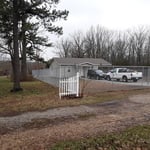
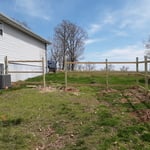
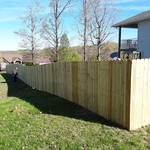
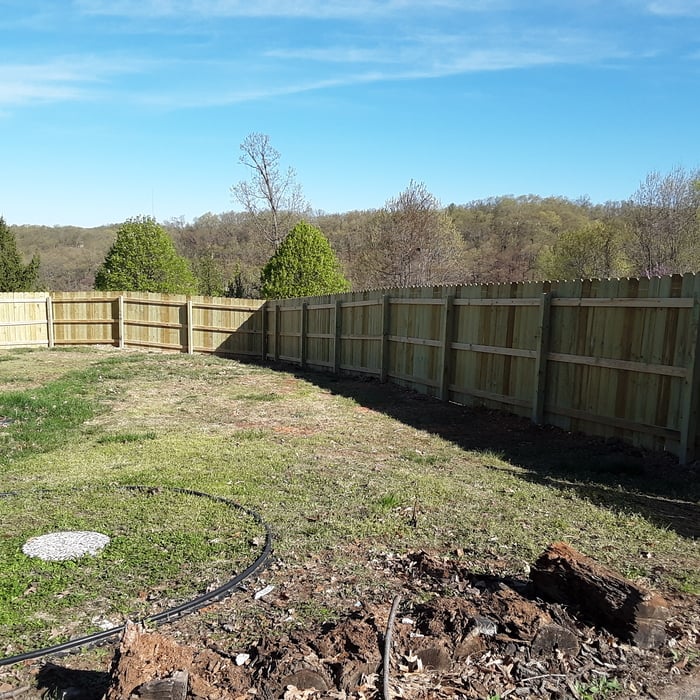
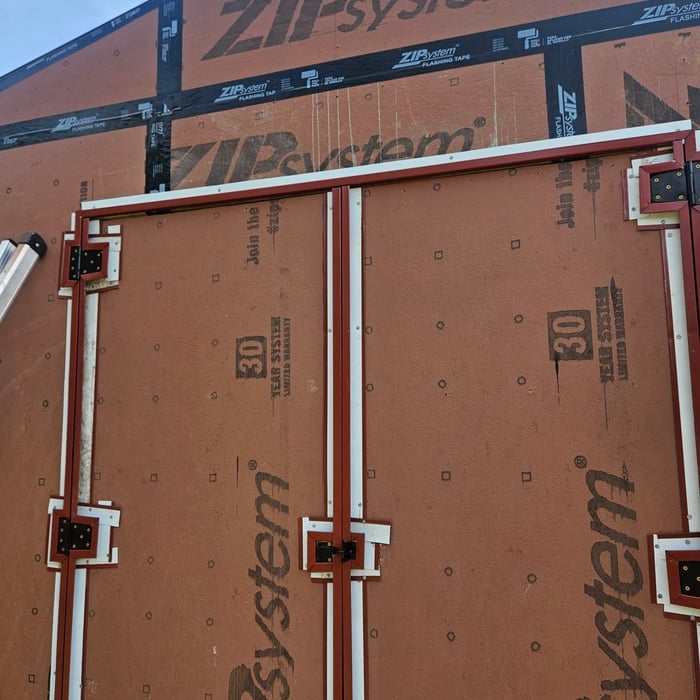
"100% satisfied! Repeat customer for life. I wanted a chain link fence with multiple, different sized gates installed around an oddly shaped piece of my yard, which is on a slope and the ground is pretty rocky. I called Ivan, who is probably the most polite person I've ever met, to come give me an estimate. His prices were fair, and they got the fence installed perfectly. I'm so pleased with my experience that I'm hiring them again for a larger, agricultural fencing project and plan to keep this company as my go-to contractor for other things that come up."
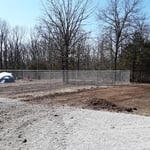
6ft chain-link
6' chain-link fence
Privacy fence start
Wrapping up
Interior

+17

Response time1 day
Recommended by94%of homeowners
Avatar for KC CONTRACTING & CONSTRUCTION LLC
KC CONTRACTING & CONSTRUCTION LLC
5.0(
8
)
Building Site - Preparation and ClearingExcavation - Major Grading or Resloping

Serving Mountain Grove, MO and surrounding areas

Approved

In business since 1998

Free estimates

Customers say: Quick response

"They built a 1600 sq ft home for me and done a fantastic job from start to finish. Attention to detail and communication was the very best. They have also done some remodel work for me on my flip houses, also installed a new roof on a different home. I would highly recommended Darrin and his crew to anyone!"
Response time10 hrs
Recommended by100%of homeowners
...
Showing 1-10 of 59
Excavating questions, answered by experts

Trenches are typically 12 to 24 inches deep and 8 inches wide. However, the required depth depends on the specific project and local ordinances. For example, a French drain may need to be 18 inches deep, while a water pipe might require a depth of 24 inches and a drainage pipe 36 inches. Your city or county may have specific regulations, so it's wise to consult with an excavation professional to determine the correct depth for your project.

Digging a bush up by the roots is the most natural DIY method for removing a bush stump. Start by identifying the shrub type and revealing its roots. Cut the shrub to its base and loosen the soil, ensuring no utility lines are nearby. Optionally, treat the base with herbicide, then dig around the roots and cut a circle around the shrub using various tools. Dig a trench, cut the base of the root ball, and finally fill the hole to prevent regrowth. This thorough process ensures complete removal without damaging surrounding areas.

After you successfully remove your boulder, you have a few options for what to do to get rid of it. You can rent a dumpster if your yard has many boulders or if you’re planning a larger project. You can even save the boulder and reuse it elsewhere on your property to save on landscaping costs. A few ideas include using the boulder as a natural, abstract statue, breaking it into smaller pieces to line your garden bed, or offering it to a landscaping company that could reuse it for another project.

It can take several weeks for the ground to settle after removing a tree, and the soil under larger, more mature trees can take months. The deeper the tree has been ground under the soil, the longer it will take to settle. However, this extra depth can help you plant new landscaping sooner because you’ll have more space for fresh soil.

Septic drain lines (or leach lines) are typically buried between 18 and 36 inches underground, and should be at least 6 inches below the surface. These pipes are perforated and surrounded by filtering materials like sand or gravel. Burying the lines at this depth helps minimize odors and allows bacteria and other biological processes in the soil to effectively treat the wastewater. Burying lines too close to the surface can cause issues unless the soil is very compact and stable.


The Mountain Grove, MO homeowners’ guide to excavation services

From average costs to expert advice, get all the answers you need to get your job done.