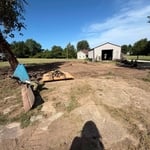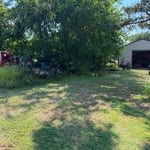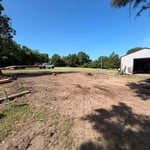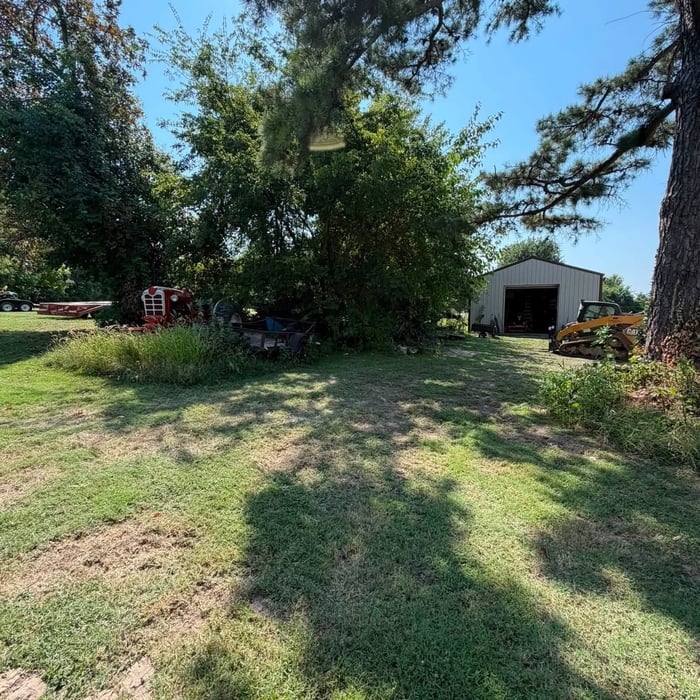




Top-rated excavation pros.

Best excavation pros near Willow Springs, MO

Enter your zip and get matched with up to 5 pros

Need a pro for your excavation project in Willow Springs, MO?

Select your specific project to find the pro for you.

TRUSTED BY WILLOW SPRINGS, MO HOMEOWNERS

  • Average homeowner rating star icon5
    Average homeowner rating
  • Verified reviews icon17
    Verified excavation services reviews

Top-Rated Excavation pros in Willow Springs - Updated Nov 2026

Avatar for Down & Dirty Land Clearing LLC
Down & Dirty Land Clearing LLC
5.0(
11
)
Building Site - Preparation and ClearingBuilding Site - Preparation and Clearing - For BusinessExcavation - Major Grading or Resloping+1 more

Serving Willow Springs, MO and surrounding areas

In business since 2019

Free estimates

Credit card accepted

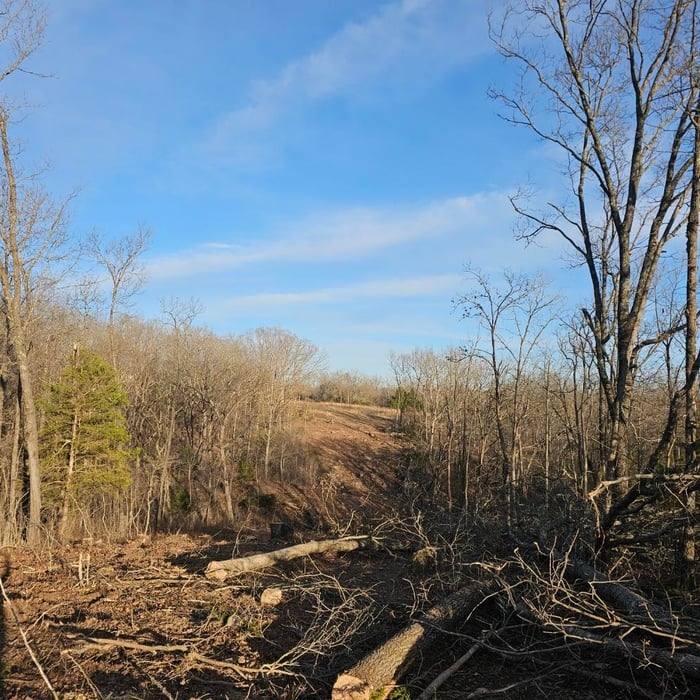
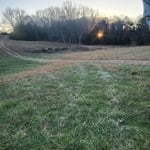
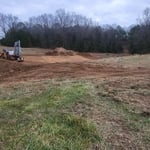
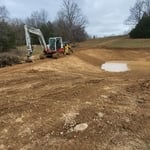
"For the past two years, Tim and Down & Dirty Land Clearing have done my site work, excavating, and trail making. Excellent workmanship and a clear commitment to safety every step of the way. Tim genuinely cares about doing the job right. I will continue my relationship with Down & Dirty and can comfortably recommend them."
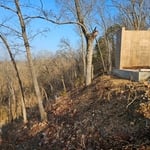
Resort building
Resort building
Resort building
Resort building
Resort building

+5

Avatar for R & R Excavating, LLC - Home  Facebook
R & R Excavating, LLC - Home Facebook
5.0(
1
)
Building Site - Preparation and ClearingExcavation - Major Grading or Resloping

Serving Willow Springs, MO and surrounding areas

In business since 2015

Free estimates

Small jobs welcome

We pride our company on reliability, great communication, integrity, and quality work. We are experts in our trade and will do our best to keep you as educated as we can on your particular task or project. We look forward to earning your business. \n

Response time5 days
Recommended by100%of homeowners
Showing 1-10 of 46
Excavating FAQs, answered by experts

In the United States, a depth of 36 inches (three feet) for underground water lines is the accepted industry standard. This depth varies from location to location based on local conditions. In areas with colder winters, they may be buried deeper to prevent frozen well water pipes : This is usually at least six inches below the frost level. The International Plumbing Code calls for a minimum of 12 inches below grade.

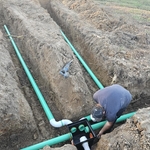
Trenches are typically 12 to 24 inches deep and 8 inches wide. However, the required depth depends on the specific project and local ordinances. For example, a French drain may need to be 18 inches deep, while a water pipe might require a depth of 24 inches and a drainage pipe 36 inches. Your city or county may have specific regulations, so it's wise to consult with an excavation professional to determine the correct depth for your project.

Digging a bush up by the roots is the most natural DIY method for removing a bush stump. Start by identifying the shrub type and revealing its roots. Cut the shrub to its base and loosen the soil, ensuring no utility lines are nearby. Optionally, treat the base with herbicide, then dig around the roots and cut a circle around the shrub using various tools. Dig a trench, cut the base of the root ball, and finally fill the hole to prevent regrowth. This thorough process ensures complete removal without damaging surrounding areas.

The best way to protect tree roots is to avoid the roots entirely by excavating outside the root radius of the tree. For nearby projects, it’s a good idea to construct a temporary retaining wall. But that’s not always possible, depending on the project and the root system. In these cases, consider using alternative equipment like an auger to tunnel under the ground.

Remember, tree roots can damage nearby cement foundations as they grow. If a tree is close enough to interfere with large excavations, it may be better to remove the tree than risk future problems.

Most residential basements are 8 to 10 feet deep. You can dig deeper depending on building codes, but it does become more difficult. You’ll likely need to install stronger foundation walls and additional supports to handle the increased load. Depending on the water table, you may also need a water management system. Clay soil can support a deeper foundation than sandy soil. A structural engineer will be able to tell you the maximum, feasible depth.

The Willow Springs, MO homeowners’ guide to excavation services

From average costs to expert advice, get all the answers you need to get your job done.