

Top-rated asphalt driveway pros.

Get matched with top asphalt driveway pros in Lonedell, MO

Enter your zip and get matched with up to 5 pros

Need a pro for your asphalt driveway service project in Lonedell, MO?

Select your specific project to find the pro for you.

TRUSTED BY LONEDELL, MO HOMEOWNERS

  • Average homeowner rating star icon3.8
    Average homeowner rating
  • Verified reviews icon18
    Verified asphalt driveway services reviews

Find Asphalt driveway pros in Lonedell

Avatar for Driveway911.com
Driveway911.com
4.4(
13
)
Asphalt Paving - InstallAsphalt Paving - Install- For BusinessAsphalt Paving - Repair or Patch+1 more

Serving Lonedell, MO and surrounding areas

Approved

In business since 1991

Free estimates

Emergency services offered

"Driveway 911 was an absolute Godsend! I’m so grateful I found their listing online because I could not find anyone else that could repair my driveway for as little as they did and for as quick and efficient as they were!!"
Edwardsville IL Asphalt Sealcoating
Worlds Largest Catsup Bottle Collinsville IL Asphalt Seal Coat
Chesterfield Asphalt Sealcoating
Asphalt Repairs and Seal Coat Collinsville IL
Asphalt SealCoat

+23

Response rate100%
1 neighbors recently requested a quote

Recommended by84%of homeowners
Avatar for Turbo Charged Contracting LLC
Turbo Charged Contracting LLC
5.0(
6
)
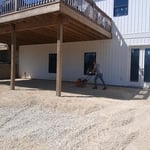
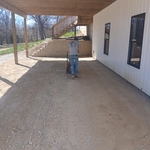
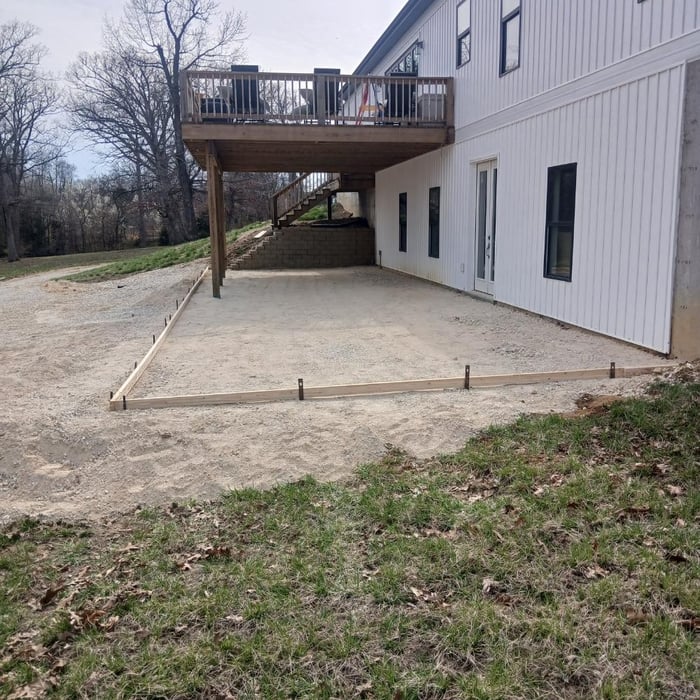
Gravel or Loose Fill Paving - Install, Spread or Scrape

Serving Lonedell, MO and surrounding areas

Approved

In business since 2025

Free estimates

Warranties offered

"They had to rewire my 101 year old house Very professional knew exactly what needed to be done absolutely great company to work with explained everything they were going to do how long it would take promptly returned any calls or texts and answered any questions we had , I highly recommend them to everyone"
Patio
Patio
Patio
Patio
Patio

+65

2 neighbors recently requested a quote

...
Showing 1-10 of 142
Asphalt Driveways questions, answered by experts

New asphalt goes through two stages: drying and curing. Drying typically takes 24 to 72 hours, after which the surface is solid enough for light use like walking or careful driving. While you may be able to park on it after 72 hours, the surface is still soft and should be treated gently. Full curing is a much longer process, taking anywhere from 30 days to a full year for the asphalt to reach maximum strength. During this extended curing period, the asphalt is susceptible to damage from heavy vehicles, sharp objects, and high temperatures. Factors like weather, the specific asphalt mix, and application thickness all influence drying and curing times. For the most accurate timeline and to ensure the longevity of your new asphalt, it is always best to consult with your installation contractor for their specific recommendations.
Wet cutting is usually the preferred method. It controls dust, which helps protect your lungs and makes for a cleaner working environment. Plus, the water cools the blade, preventing overheating and prolonging its life while providing smoother, more precise cuts. The downside is the mess—water and asphalt sludge can be messy to clean. Dry cutting, though convenient if water isn’t available, creates a lot of dust, which can be harmful. This also increases the risk of blade damage due to overheating. So, if you have the option, wet cutting is the better method for most asphalt jobs.

Asphalt paving offers several benefits, including cost-effectiveness and a quick installation process. It provides a durable and smooth surface, making it ideal for high-traffic areas. With proper maintenance, asphalt also offers longevity.

Asphalt and tarmac are not the same thing. Traditional tarmac, short for tarmacadam, uses tar as a binder to hold crushed stone together. Asphalt uses bitumen—a byproduct of crude oil—to bind aggregate. Though tarmac was once a go-to for roads, asphalt has become the modern standard. And these days, most surfaces referred to as “tarmac” are actually asphalt. So, while the names may overlap, the key distinction lies in the binder—tar for tarmac and bitumen for asphalt.

Asphalt edging secures the sides of your driveway to prevent crumbling and cracking over time. Most driveways have edges with a 45-degree grading. This helps transfer some of the stress from the asphalt to the ground underneath. If your driveway doesn’t have proper edging, the pressure from your car may break down the edges over time.

The Lonedell, MO homeowners’ guide to asphalt driveway services

From average costs to expert advice, get all the answers you need to get your job done.