



Top-rated asphalt driveway pros.

Get matched with top asphalt driveway pros in Cadet, MO

Enter your zip and get matched with up to 5 pros

Need a pro for your asphalt driveway service project in Cadet, MO?

Select your specific project to find the pro for you.

Find Asphalt driveway pros in Cadet

Avatar for Turbo Charged Contracting LLC
Turbo Charged Contracting LLC
5.0(
6
)
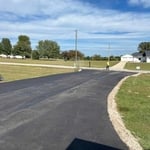
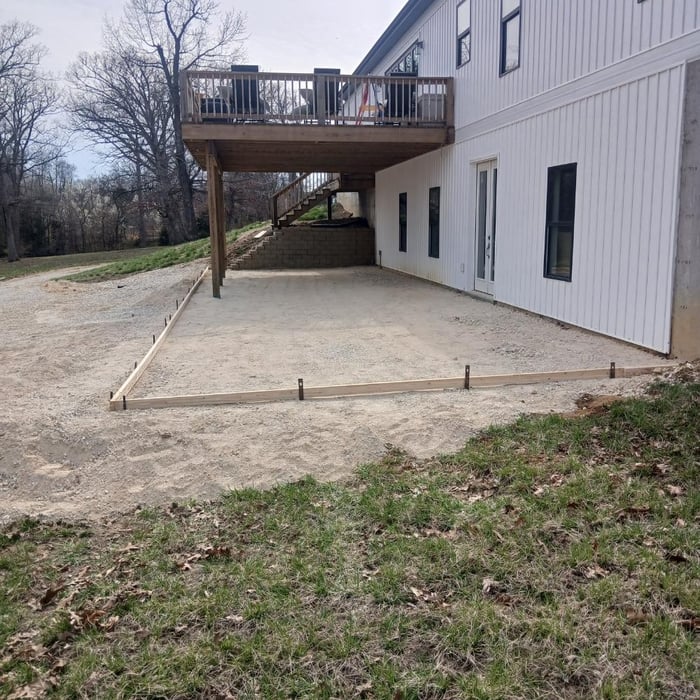
Gravel or Loose Fill Paving - Install, Spread or Scrape

Serving Cadet, MO and surrounding areas

Approved

In business since 2025

Free estimates

Warranties offered

"They had to rewire my 101 year old house Very professional knew exactly what needed to be done absolutely great company to work with explained everything they were going to do how long it would take promptly returned any calls or texts and answered any questions we had , I highly recommend them to everyone"
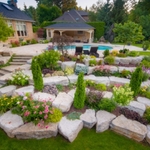
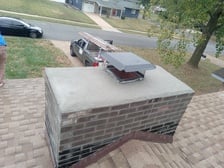
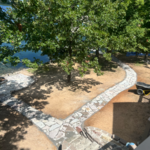
Patio
Patio
Patio
Patio
Patio

+65

2 neighbors recently requested a quote
p c concrete .com
New to Angi
Concrete Driveways - InstallConcrete Driveways & Floors - Install- For Business

Serving Cadet, MO and surrounding areas

Approved

In business since 1981

Free estimates

Emergency services offered

Looking for a reliable concrete contractor in Missouri? Look no further! At PC Concrete, we specialize in driveways and offer top-notch services that set us apart from the competition. Contact us today for all your concrete needs!

Response time2 days
1 neighbors recently requested a quote
...
Showing 1-10 of 104
Asphalt Driveways questions, answered by experts

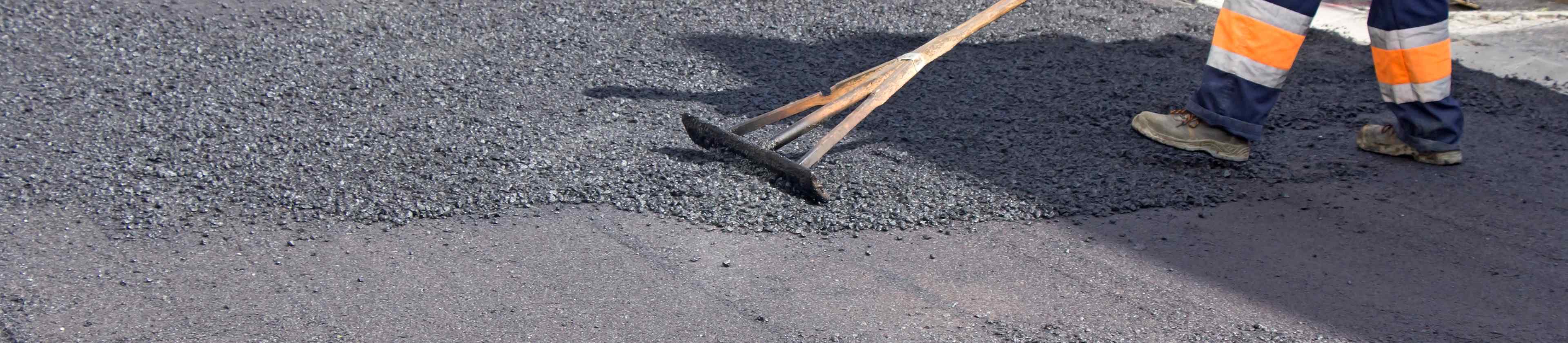
An asphalt driveway should be at least 3 inches thick over a compacted gravel base. Areas with poor drainage should have a thicker stone base. To install a new asphalt driveway over an existing driveway, the new asphalt should be at least 2 inches thick and the existing driveway should be in relatively good condition.
If you’re looking for a similar, eco-friendly driveway material, you might consider one of these options:

  • Permeable pavement: This material is sometimes called “pervious” or “porous” pavement; it allows stormwater to drain into the subbase, eliminating storm drain costs. 

  • Gravel: Consider paving your driveway with locally sourced gravel. By sourcing from a nearby source, your money won’t fund international shipping and will be invested back into your local community.

  • Natural stone pavers: Because natural stone pavers are made from organically-produced stone, there’s no new manufacturing required, limiting the environmental impact. In addition, water easily flows and drains through the gaps in the pavers.

Wet cutting is usually the preferred method. It controls dust, which helps protect your lungs and makes for a cleaner working environment. Plus, the water cools the blade, preventing overheating and prolonging its life while providing smoother, more precise cuts. The downside is the mess—water and asphalt sludge can be messy to clean. Dry cutting, though convenient if water isn’t available, creates a lot of dust, which can be harmful. This also increases the risk of blade damage due to overheating. So, if you have the option, wet cutting is the better method for most asphalt jobs.

Professionals restore the surface to a fresh, attractive finish by applying a new, even sealant layer.

Asphalt and tarmac are not the same thing. Traditional tarmac, short for tarmacadam, uses tar as a binder to hold crushed stone together. Asphalt uses bitumen—a byproduct of crude oil—to bind aggregate. Though tarmac was once a go-to for roads, asphalt has become the modern standard. And these days, most surfaces referred to as “tarmac” are actually asphalt. So, while the names may overlap, the key distinction lies in the binder—tar for tarmac and bitumen for asphalt.

The Cadet, MO homeowners’ guide to asphalt driveway services

From average costs to expert advice, get all the answers you need to get your job done.