



Top-rated electricians.

Get matched with top electricians in Yellville, AR

Enter your zip and get matched with up to 5 pros

Need a pro for your electrical service project in Yellville, AR?

Select your specific project to find the pro for you.

TRUSTED BY YELLVILLE, AR HOMEOWNERS

  • Average homeowner rating star icon4.9
    Average homeowner rating
  • Verified reviews icon15
    Verified electrical services reviews

Find Electricians in Yellville

Avatar for Tri-State Water, Power & Air
Tri-State Water, Power & Air
New to Angi
Fixed Generator - InstallGenerator - InstallGenerator - Install - For Business

Serving Yellville, AR and surrounding areas

Approved (Corporate)

In business since 1992

Free estimates

Emergency services offered

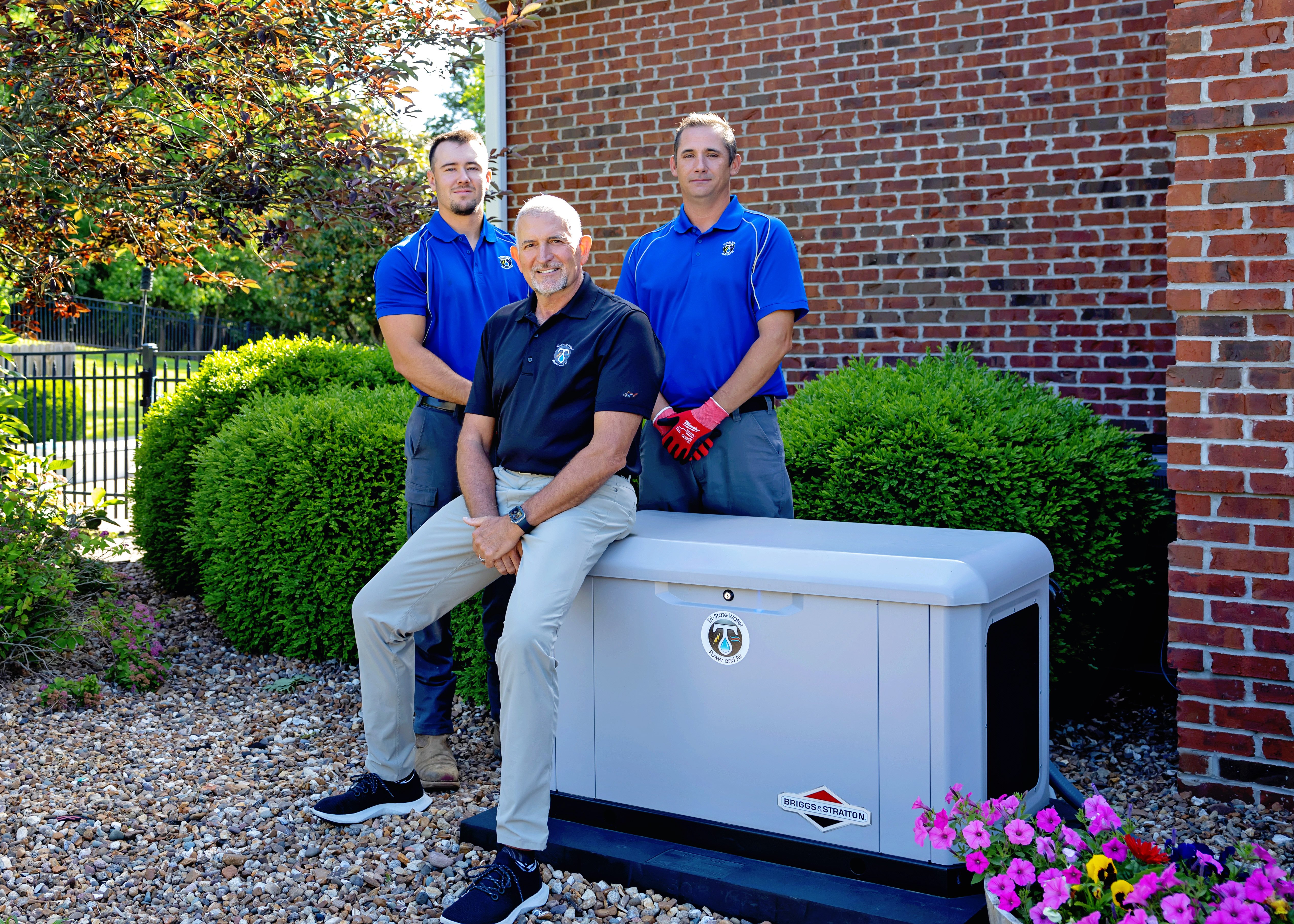
We are the experts in the field of Whole Home Standby Generators, with over 20 years of experience in the game. We provide turn-key installation by licensed professionals - 24 hour emergency service - Remote Monitoring - Long term maintenance and service by factory trained technicians. \nYou can trust our team, knowing that we have a Triple-A Rating with the Better Business Bureau and received the BBB Torch Award for Ethics. We look forward to discussing your needs and providing a recommendation and services you can rely on. \n

Response time1 day
Response rate100%
87 neighbors recently requested a quote
Showing 1-10 of 44
Electrical questions, answered by experts

GFCI outlets should be clearly labeled with LINE and LOAD labels, with arrows leading to the proper terminals. The line terminals are typically at the top, and the load terminals are typically at the bottom.

There is no blanket figure for a residential home’s electrical load, since load varies by the size of the home, how many appliances are used, and the efficiency of their electrical systems. Typically, however, it’s safe to assume 40 to 60 amps is the average electrical load of a residential home. 

The answer depends on your needs and the availability of your current electrical panel. If you’re hoping to seriously up the power in your detached living space, you may also need to consider increasing the power of the amp your home runs on (from 100-amps to 200-amps, for example).

To power the system down, simply turn it off and cut it off from its electricity. That means removing the transformer from the wall plug and taking out the battery that usually sits within the control panel itself. That will disconnect it from power and essentially reset the entire alarm system.

You can determine what size generator you need for a transfer switch by matching the switch to the largest outlet on your generator. Larger generators can power up to 10 circuits, while most 5,000-watt generators can provide power to six circuits. So, if your generator’s largest outlet is 30 amps, you’ll need a 30-amp transfer switch.

The Yellville, AR homeowners’ guide to electrical services

From average costs to expert advice, get all the answers you need to get your job done.