




Top-rated excavation pros.

Get matched with top excavation pros in Gladstone, MO

Enter your zip and get matched with up to 5 pros

Need a pro for your excavation project in Gladstone, MO?

Select your specific project to find the pro for you.

TRUSTED BY GLADSTONE, MO HOMEOWNERS

  • Average homeowner rating star icon4.7
    Average homeowner rating
  • Verified reviews icon35
    Verified excavation services reviews

Find Excavation pros in Gladstone

Avatar for Four Seasons Landscaping & Hardscaping LLC
Four Seasons Landscaping & Hardscaping LLC
4.9(
69
)
Landscape - Minor Grading or Resloping

Serving Gladstone, MO and surrounding areas

Approved

Super Service Award Winner

In business since 2022

Free estimates

Emergency services offered

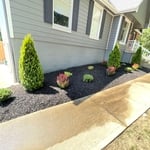
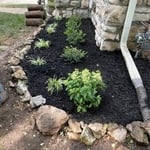
"David did a good job for me. He did exactly what we agreed on. Installed grasses and shrubs and put rock down. Also installed pavers. His company is professional and very easy to work with. I would highly recommend Four Seasons Landscaping & Hardscaping LLC"
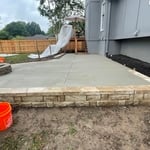
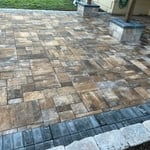
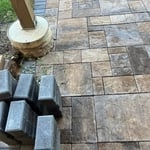
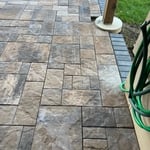
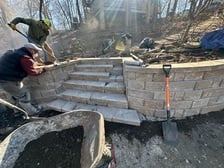
Paver patio, retaining walls and columns
Patio walls and columns?
patio with pavers
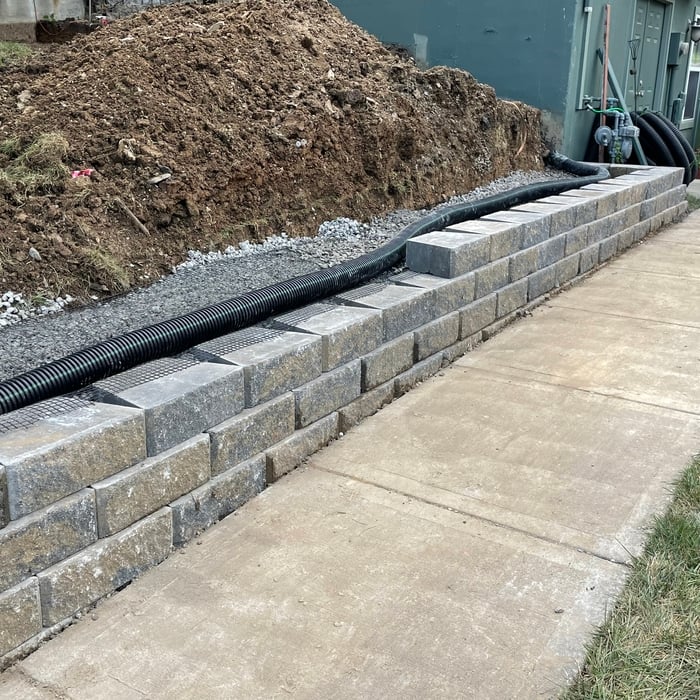
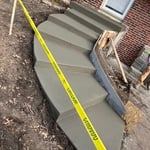
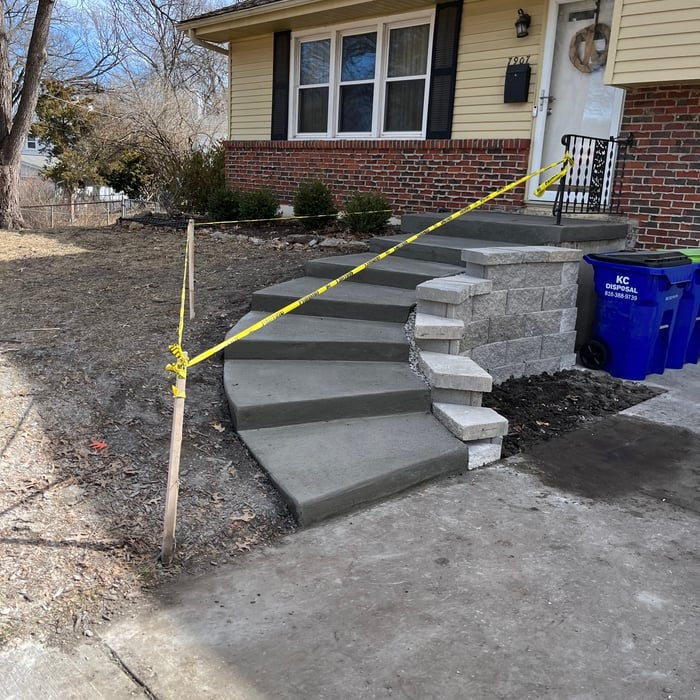
Concrete steps and retaining wall

+86

Response time9 hrs
Response rate98%
54 neighbors recently requested a quote
...
Showing 1-10 of 194
Excavating questions, answered by experts

Water lines are buried at various depths, depending on the type of line. For example, most sprinkler lines are buried between four and 12 inches underground. On the other hand, water mains usually sit between one and 3 feet below ground. However, they can go even deeper in cold climates to prevent freezing.

Yes, you can excavate in the winter, but it might make the job harder. Frozen ground is harder to dig, and snow or ice can make the work site more hazardous. A contractor may need special equipment and techniques, such as ground-thawing methods, to break through frozen soil. Although winter excavation is possible, it may take longer and be more costly than excavating during warmer months.

Excavation and grading are both generally necessary for designing your foundation, and leveling the ground where your foundation will go. These steps can also prepare the area by removing vegetation and anything else that could interfere with your home’s foundation.

The best type of soil to build on is a mixture of sand and clay, known as loam soil. Loam soil has the best combination of these soil types to build a foundation on. The clay particles help with water retention, so it won’t erode like sandy soil might, and the sandy particles help with drainage, so you won’t see unsafe soil expansion or have an increased risk of leaks from water sitting against your foundation.

How deep your septic system needs to be into the ground depends on several factors. In extremely cold environments, the tank needs to rest below the maximum frost line, which can be up to six or eight feet deep. The standard burying depth for most systems is between a few inches and four feet below ground level. Depth can also depend on the slope of the landscaping and other property variables. 

The Gladstone, MO homeowners’ guide to excavation services

From average costs to expert advice, get all the answers you need to get your job done.