



Top-rated excavation pros.

Get matched with top excavation pros in Pleasant Valley, MO

Enter your zip and get matched with up to 5 pros

Need a pro for your excavation project in Pleasant Valley, MO?

Select your specific project to find the pro for you.

TRUSTED BY PLEASANT VALLEY, MO HOMEOWNERS

  • Average homeowner rating star icon4.7
    Average homeowner rating
  • Verified reviews icon26
    Verified excavation services reviews

Find Excavation pros in Pleasant Valley

Avatar for Four Seasons Landscaping & Hardscaping LLC
Four Seasons Landscaping & Hardscaping LLC
4.9(
70
)
Landscape - Minor Grading or Resloping

Serving Pleasant Valley, MO and surrounding areas

Approved

Super Service Award Winner

In business since 2022

Free estimates

Emergency services offered

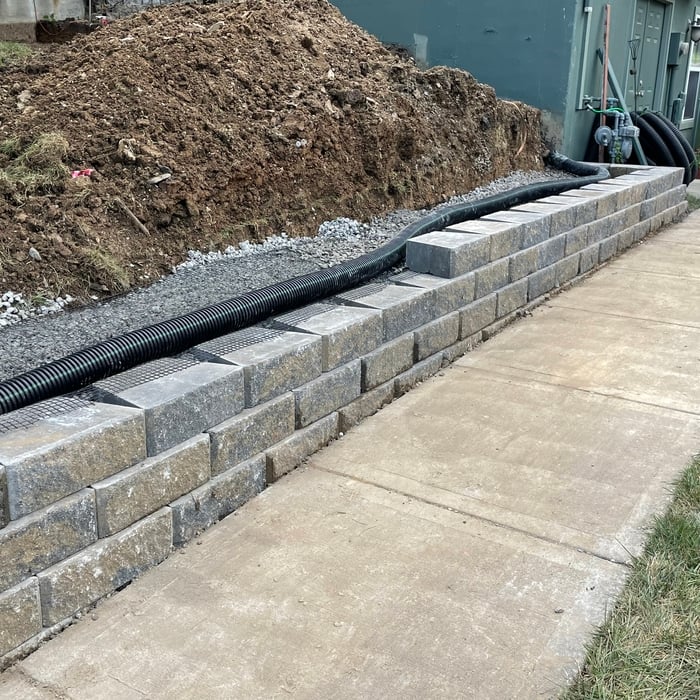
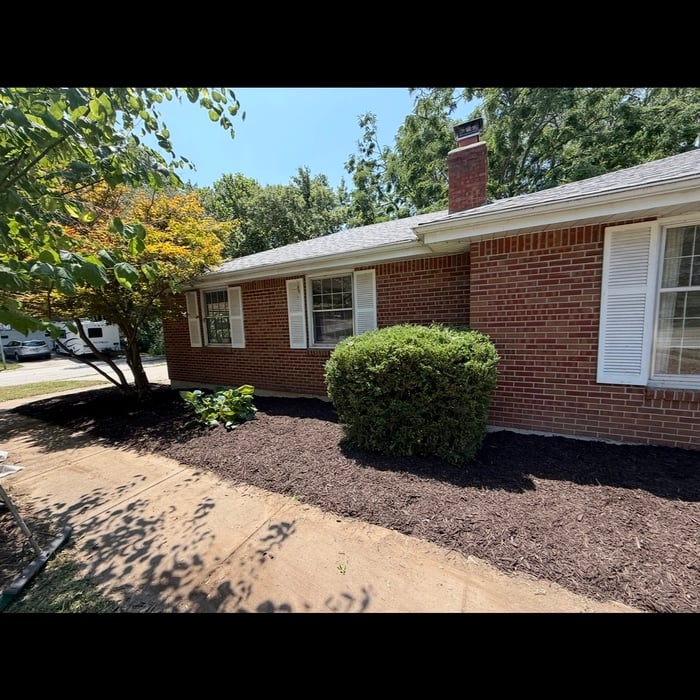
"⭐⭐⭐⭐⭐ I highly recommend Four Seasons Landscaping & Hardscape. David and his team did an outstanding job on several projects around my home. They repaired an older brick chimney, applied a protective sealant, installed a new chimney cap/lid, repaired crumbling bricks on both the side and front of my home, and installed a French drain along the side of the house. From start to finish, David was professional, knowledgeable, and transparent. He took the time to clearly explain the process, outline expectations, and answer any questions I had. Communication was excellent throughout the project, and I always knew what was happening and why. The team was efficient, hardworking, and respectful of my property. Their attention to detail and quality workmanship were evident in every aspect of the job. Everything was completed as promised, and the results exceeded my expectations. If you’re looking for a contractor who is reliable, skilled, professional, and communicates well, I highly recom"
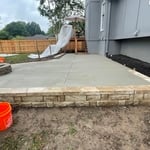
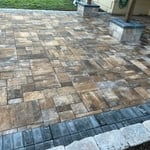
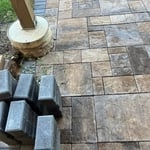
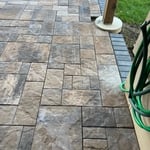
Paver patio, retaining walls and columns
Patio walls and columns?
patio with pavers
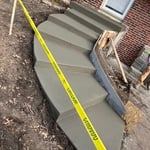
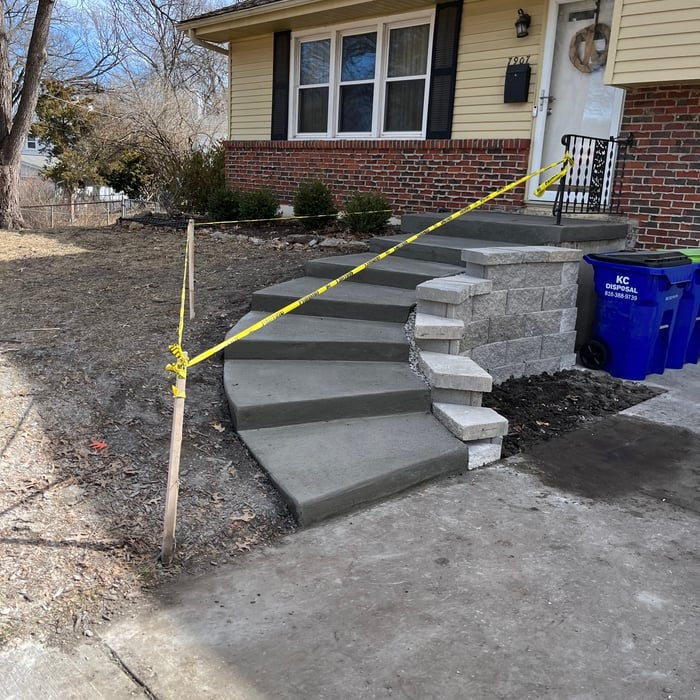
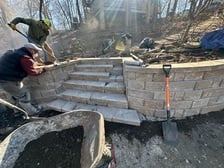
Concrete steps and retaining wall

+86

Response time9 hrs
Response rate98%
48 neighbors recently requested a quote
Avatar for S & S Outdoor Contracting LLC
S & S Outdoor Contracting LLC
5.0(
6
)
Landscape - Minor Grading or Resloping

Serving Pleasant Valley, MO and surrounding areas

Approved

Free estimates

Offers commercial services

"Philip did a great job! I asked for some changes and some extra work, which he gladly did without raising the price from his original bid. I am very satisfied with the job and will be using him again."
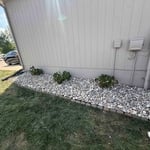
Rock bed
Rock bed
4 neighbors recently requested a quote
...
Showing 1-10 of 170
Excavating questions, answered by experts

Skunk digging looks like a series of small, cone-shaped holes on a lawn or around the perimeter of a home, porch, deck, or shed. The holes that skunks dig when searching for grubs tend to be no more than four inches in diameter and may be up to four inches deep.

Septic drain lines (or leach lines) are typically buried between 18 and 36 inches underground, and should be at least 6 inches below the surface. These pipes are perforated and surrounded by filtering materials like sand or gravel. Burying the lines at this depth helps minimize odors and allows bacteria and other biological processes in the soil to effectively treat the wastewater. Burying lines too close to the surface can cause issues unless the soil is very compact and stable.

There is no standard depth for burying a septic tank; they are typically buried anywhere from 4 inches to 4 feet underground. The final depth depends on several factors, including the depth of your main sewer line, the height of the bedrock, soil type, local regulations, and the property's landscape. If you plan to grow grass or plants over the tank, a depth of at least 4 to 6 inches is recommended. Deeper tanks can be more difficult to locate, but a septic professional can help find it for you.

Depth is not a qualifying component of evacuation. Any human-made cut, cavity, or depression in the earth’s surface is considered excavation. The hole from excavation can be any size, shape, or depth. Excavation is used to create foundations, reservoirs, drainage ditches, and roads. Long, narrow excavations are called trenches and are often used for underground utilities.

The best method for digging a trench depends on the scope of the project. For a short, shallow trench (less than 2 feet deep) in light, soft soil, digging by hand may be sufficient. However, digging by hand is labor-intensive, so consider the effort required. A machine trencher is the better option for longer trenches (over 100 feet), deeper ones, or when dealing with difficult soil conditions, such as rocky or hard ground, or obstructions like tree roots. A machine can save significant time and energy in these situations.

The Pleasant Valley, MO homeowners’ guide to excavation services

From average costs to expert advice, get all the answers you need to get your job done.