
Top-rated plaster repair specialists.

Best plaster repair specialists near Cabool, MO

Enter your zip and get matched with up to 5 pros

Need a pro for your plaster repair project in Cabool, MO?

Select your specific project to find the pro for you.

Top-Rated Plaster repair specialists in Cabool - Updated Nov 2026

Avatar for Pro Drywall
Pro Drywall
New to Angi
Plaster - InstallPlaster - Repair

Serving Cabool, MO and surrounding areas

In business since 1992

Credit card accepted

Offers commercial services

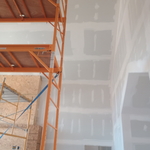
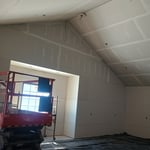
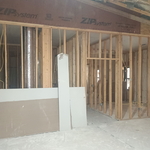
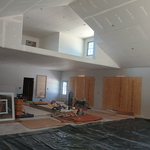
We take great pride in our experience, expertise, quality, and customer service that we provide to meet the consumer’s needs. It is our mission to provide excellent workmanship and complete customer satisfaction from start to completion of a project. In order to understand the needs and expectations of our customers, we take great care to work and communicate with every customer in a professional manner. Our reputation is based on service, safety, and quality, regardless of how large or small the job. \n

New construction
New construction
New construction
New construction
New construction

+1

Response time2 days
Response rate100%
Showing 1-10 of 23
Plaster Repair FAQs, answered by experts

Only use spackle on plaster walls when the imperfection is small. It’s best used for nail holes or small dings in the plaster. Spackle dries quickly, allowing you to continue the repair process shortly after using it. Plaster can be tricky to repair, though, so if you run into issues, call a pro so that you don’t risk further damage.

The short answer is yes, a sagging plaster ceiling is dangerous. Sagging plaster on a wall is something you should fix immediately, but it isn’t a major concern. If the same type of sagging occurs on a ceiling, however, you could be in danger of your ceiling falling in large chunks. When plaster sags, it loses its strength and ability to hold itself up. The bonds that hold it together are strong, though, so if a sagging area falls, it will take large pieces down with it.

Although they are used for similar tasks, spackle and joint compound are not the same. Joint compound, also known as drywall mud, consists of limestone and gypsum and is primarily used for large-scale projects like taping and finishing seams on new drywall. Spackle is composed of gypsum and binding agents, making it a thicker compound best suited for small wall repairs like filling nail holes or cracks, as it dries quickly and is easy to sand. For small repairs, either product can be suitable. However, you can use joint compound for small jobs in place of spackle, but you cannot use spackle for large-scale taping and mudding projects.

It may take a bit of patience and trial and error to match your particular drywall texture type when making repairs. For orange peel or knockdown finishes, use a spray texture product or a thinned joint compound applied with a roller or sponge. Practice on scrap drywall or cardboard first. Once dry, lightly sand and prime before painting.

There are several warning signs that a ceiling crack is connected to a larger issue. For starters, if the crack is wider than 1/8 inch or longer than 12 inches, you might have a more serious problem. The same applies if you have multiple smaller cracks or cracks going across the ceiling and down the wall. In any of these situations, you should ask a professional to assess the damage.

The Cabool, MO homeowners’ guide to plaster repairs

From average costs to expert advice, get all the answers you need to get your job done.