



Top-rated mold testing and remediation specialists.

Get matched with top mold testing and remediation specialists in Augusta, MO

Enter your zip and get matched with up to 5 pros

Need a pro for your mold testing and remediation project in Augusta, MO?

Select your specific project to find the pro for you.

Find Mold testing and remediation specialists in Augusta

Avatar for Mold Test Company IL
Mold Test Company IL
3.8(
106
)
Mold & Toxic Material TestIndoor Air Quality TestingMold & Toxic Material Test - For Business

Serving Augusta, MO and surrounding areas

Approved

In business since 2008

Emergency services offered

Small jobs welcome

"Overall was good for what the service is. The technician was a postal worker and home inspector. So mold test company appears to be brokers. Their pricing was competitive from other quotes I received but I honestly think it was pricey for time spent and what they do. But like I said the price was pretty standard from the companies I called, in my opinion. But the technician was attentive and knowledgeable, and friendly."
Mold Inspection
Mold Inspection
Mold Inspection
Mold Inspection
Mold Inspection

+78

Response time1 day
298 neighbors recently requested a quote
Recommended by80%of homeowners
...
Showing 1-10 of 75
Mold Testing and Remediation questions, answered by experts

Mold grows in areas with humidity levels above 60%, but ideal conditions for mold growth occur when humidity is between 70% and 90%, especially in poorly ventilated areas. To prevent mold growth, aim to maintain indoor humidity levels between 30% and 50% using dehumidifiers, proper ventilation, and temperature control. Regularly check your home's humidity with a hygrometer to help you monitor and avoid conditions conducive to mold.
It‘s risky to pressure wash indoors, and we wouldn’t recommend it, but following all safety guidelines can prevent the worst outcomes. Always make sure to use an electric-powered machine over one that’s gas-powered, remove obstacles that could cause tripping or falling, and keep appliances like hair dryers and toothbrushes unplugged and out of the way to prevent electrical hazards. 

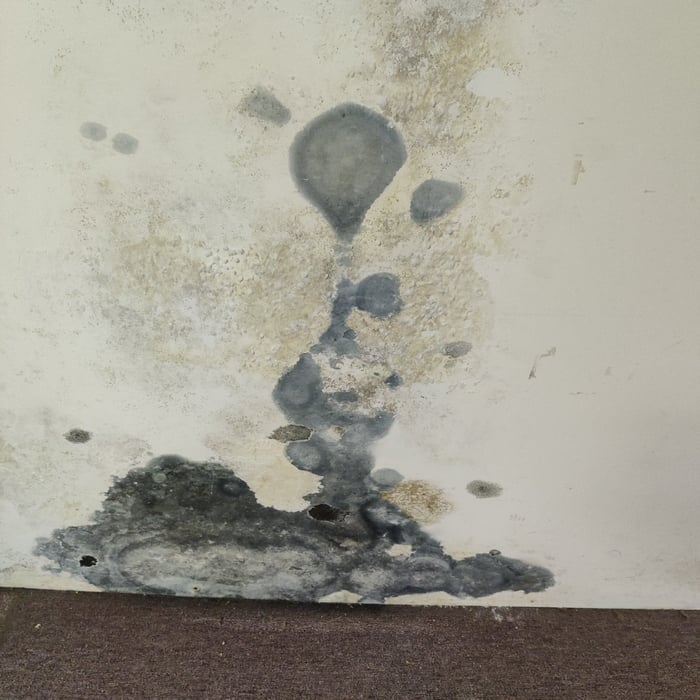
Areas of your home may provide an ideal environment for green or black mold. Most molds love moisture and will thrive in wet or damp areas. Some types of mold, such as Stachybotrys chartarum, grow well on materials commonly used in homes, such as gypsum board and wood. Mold may also grow in areas where there are leaks, such as in bathrooms, kitchens, or basements.

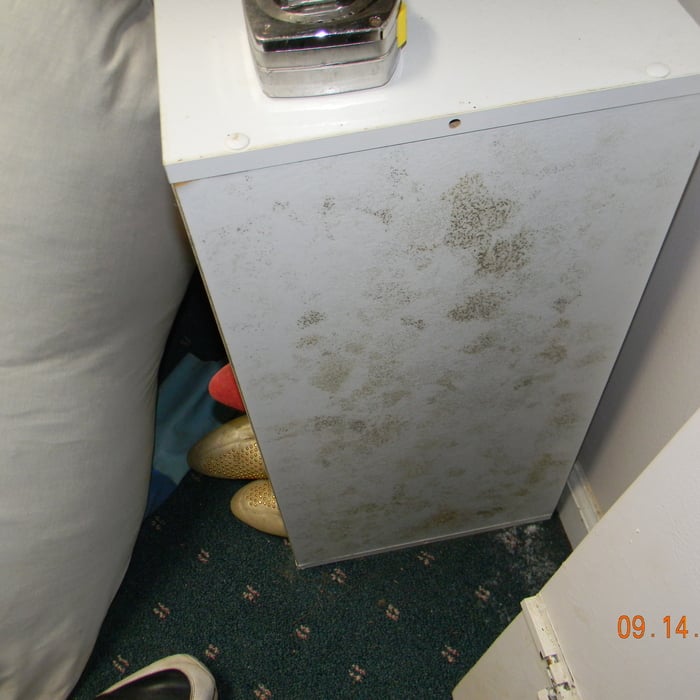
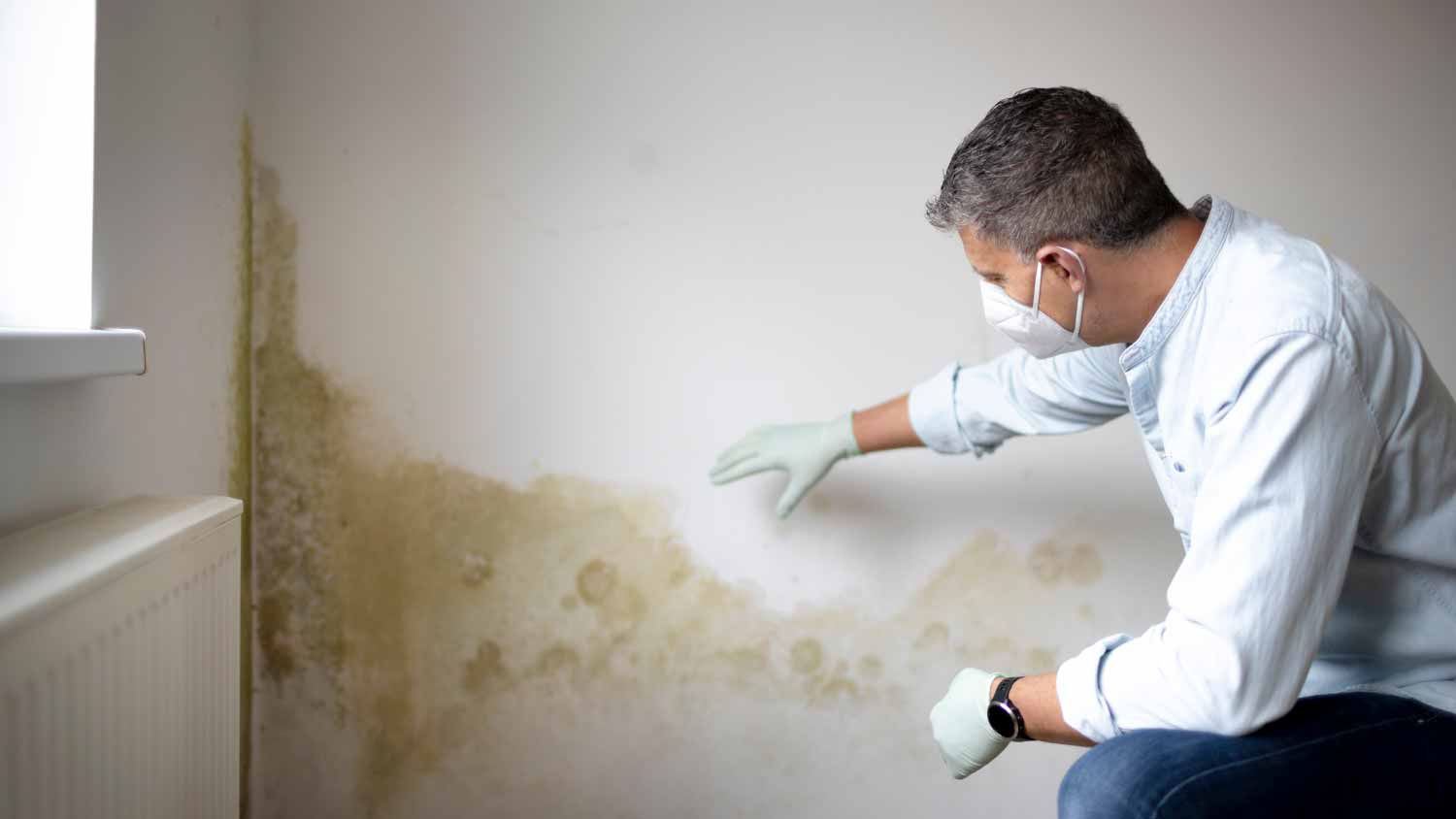
Checking for mold yourself is crucial, as catching mold in the early stages is ideal. Mold can appear green, brown, black, blue, or yellow. It can smell musty and can feel like velvet, leather, or cotton. 

Most often, mold grows near water damage. It’s best to inspect these places for signs of mold growth:

  • Basement: Look in corners, windows, carpet, closets, and around appliances. 

  • Bathrooms: Check around sinks, ceilings, and around toilets. 

  • Kitchen: Inspect around the sink, behind the refrigerator, and behind trash can.

  • Attic: Look near the insulation and near intake and exhaust vents.

Several factors affect the color of mold, including humidity levels, age of the mold, and amount of light it receives. A patch of mold that starts out green may darken and turn black as it ages. A species of mold may be green if growing in one environment, but be black in another environment. Color usually isn't a reliable way to determine mold species or risk.

The Augusta, MO homeowners’ guide to mold testing and remediation services

From average costs to expert advice, get all the answers you need to get your job done.