

Top-rated septic tank pros.

Get matched with top septic tank pros in Tracy, MN

Enter your zip and get matched with up to 5 pros

Need a pro for your septic tank service project in Tracy, MN?

Select your specific project to find the pro for you.

Find Septic tank pros in Tracy

Avatar for American Home Shield – Home Warranty
American Home Shield – Home Warranty
3.5(
5,688
)
Septic System - Install or ReplaceSeptic System - Install or Replace - For BusinessSeptic System - Repair+3 more

Serving Tracy, MN and surrounding areas

In business since 1971

Credit card accepted

"The technician emptied the freezer, which was in the basement, to work on the part that needed repair. Then he neglected to put anything back into the freezer, including a turkey I had bought for Christmas and a rack of ribs. Two days after he left, I went out of town for two weeks. The turkey actually exploded and spewed its liquid all over everything, which had to be discarded. I let AHS know and they couldn't even bother to call me or follow up on this. I'm considering not renewing my contract with them because of the quality (or lack thereof) of many of the providers they send."

Additional Photos
Additional Photos
Additional Photos
Additional Photos
Additional Photos

+2

Recommended by65%of homeowners
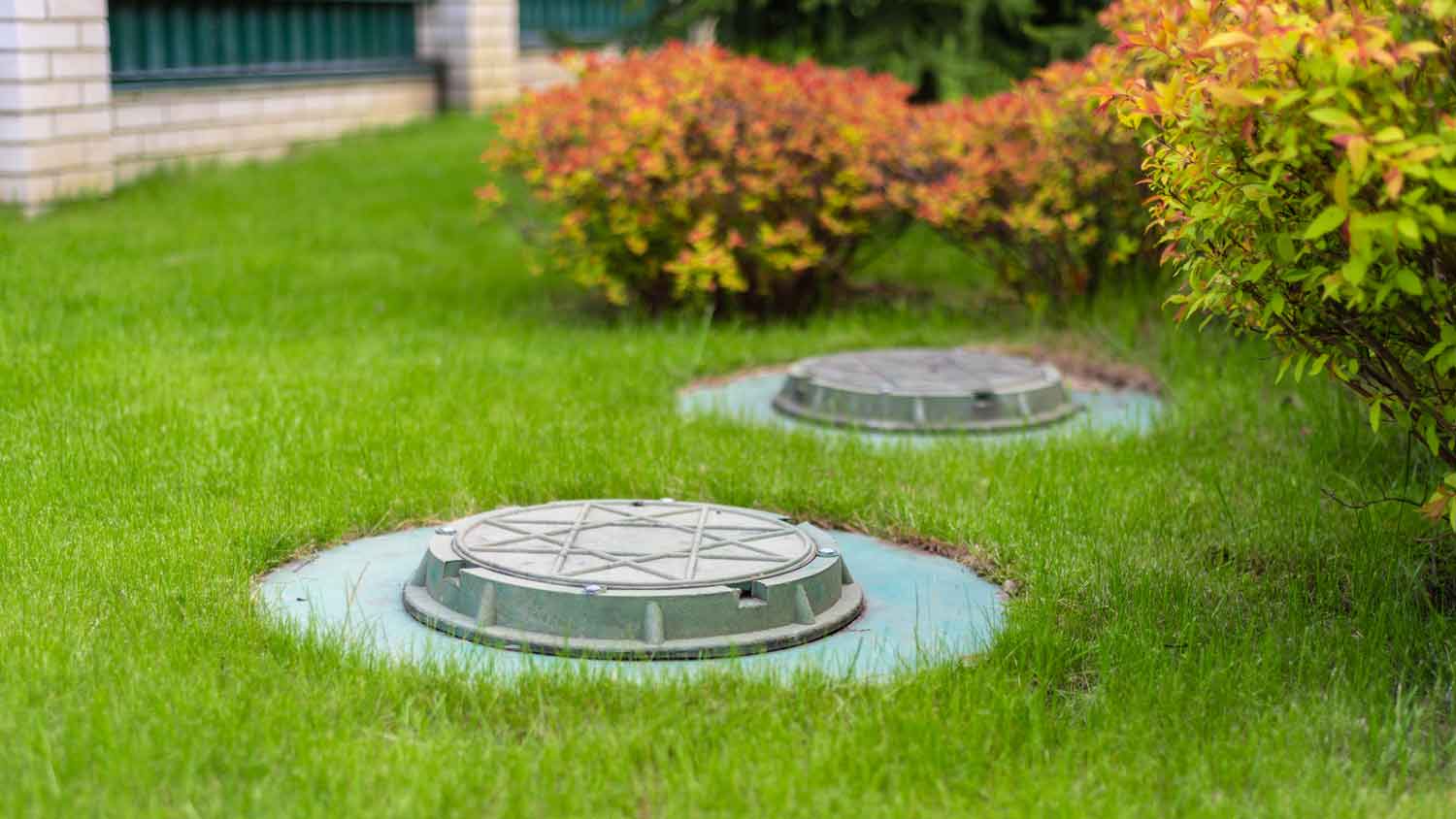
Septic Tanks questions, answered by experts

You should pump your septic tank once every two to four years for a family of four, depending on your septic tank size. You should pump a 1,000-gallon septic tank every two years, while a 1,500-gallon tank should be pumped every four years. Water usage also affects how often you should pump your septic tank. If you notice slow drains, foul smells, or gurgling sounds from your drains, you should pump your septic tank as soon as possible.

On average, you should call a pro to pump your cesspool once per year. If you have a larger home with a lot of family members, you may need to pump more (up to six times per year). On the flip side, if you’re talking about a cesspool for a home you don’t use much or if you’re the only occupant in a home, you won’t have to pump nearly as much.

Septic tanks and cesspits are both types of sewage and wastewater systems, but they differ in key ways. The main difference between the two systems is that septic tanks separate sewage from wastewater and allow the latter to flow into a drainage field to filter and disperse into the soil. Cesspits don’t have outlets and instead, store sewage until it needs to be pumped by a professional.

There are three layers of wastewater in a septic tank: scum (solid waste that floats to the top of the wastewater), liquid (the relatively clean liquid wastewater in between the two other layers), and sludge (solid waste that falls to the bottom of the wastewater). The buildup of sludge is one of the main reasons septic tanks need to be pumped. If the tank is more than 1/3 of the way full with a combination of sludge and scum, it’s time to call a pro for pumping.

The pressure in a well pressure tank should be set 2 to 3 PSI below the pump's cut-on pressure. The cut-on pressure is the lower number in the pressure setting (e.g., the '30' in 30/50 PSI) and is the point at which the pump starts. The cut-out pressure is the higher number, where the pump stops.

For example:

  • If your pressure switch is set to 30/50 PSI, the tank pressure should be 27-28 PSI.

  • If your pressure switch is set to 40/60 PSI, the tank pressure should be 38 PSI.

Common pressure settings for household applications include 20/40, 30/50, and 40/60 PSI. The difference between the cut-on and cut-out pressure is typically 20 PSI.

The Tracy, MN homeowners’ guide to septic tank services

From average costs to expert advice, get all the answers you need to get your job done.