





Top-rated septic tank pros.

Get matched with top septic tank pros in Springfield, MN

Enter your zip and get matched with up to 5 pros

Need a pro for your septic tank service project in Springfield, MN?

Select your specific project to find the pro for you.

Find Septic tank pros in Springfield

Avatar for American Home Shield – Home Warranty
American Home Shield – Home Warranty
3.5(
5,688
)

Serving Springfield, MN and surrounding areas

In business since 1971

Credit card accepted

"The technician emptied the freezer, which was in the basement, to work on the part that needed repair. Then he neglected to put anything back into the freezer, including a turkey I had bought for Christmas and a rack of ribs. Two days after he left, I went out of town for two weeks. The turkey actually exploded and spewed its liquid all over everything, which had to be discarded. I let AHS know and they couldn't even bother to call me or follow up on this. I'm considering not renewing my contract with them because of the quality (or lack thereof) of many of the providers they send."

Additional Photos
Additional Photos
Additional Photos
Additional Photos
Additional Photos

+2

Recommended by65%of homeowners
Septic Tanks questions, answered by experts

A septic system's lifespan typically ranges from 15 to 40 years, with a common average of 20 to 30 years. The longevity heavily depends on the tank's material, maintenance diligence, and usage habits. With proper care, lifespans can reach the upper end of this range.

Lifespan by Tank Material:

  • Concrete: 20 to 40 years

  • Plastic or Fiberglass: 30 to 40 years

  • Steel: 15 to 20 years

To maximize your system's lifespan, follow these maintenance best practices:

  • Regular Pumping and Inspections: Have the tank pumped every three to five years and schedule professional inspections regularly.

  • Mindful Usage: Only flush human waste and toilet paper. Avoid putting items like cat litter, paper towels, cigarette butts, fats, grease, oils, or coffee grounds down your drains.

  • Avoid Chemicals: Do not pour harsh chemicals into the system.

  • Water Conservation: Reduce the amount of wastewater your system has to process.

  • Protect the Drain Field: Avoid driving or building heavy structures over the drain field area.

Never use Drano on blocked toilets. You can end up with a ghastly leak because the chemicals eat away at the glue that holds pipes together just as effectively as they do with clogs. Drano is known for being particularly rough on toilets, which is why some plumbers actually dislike the product. 

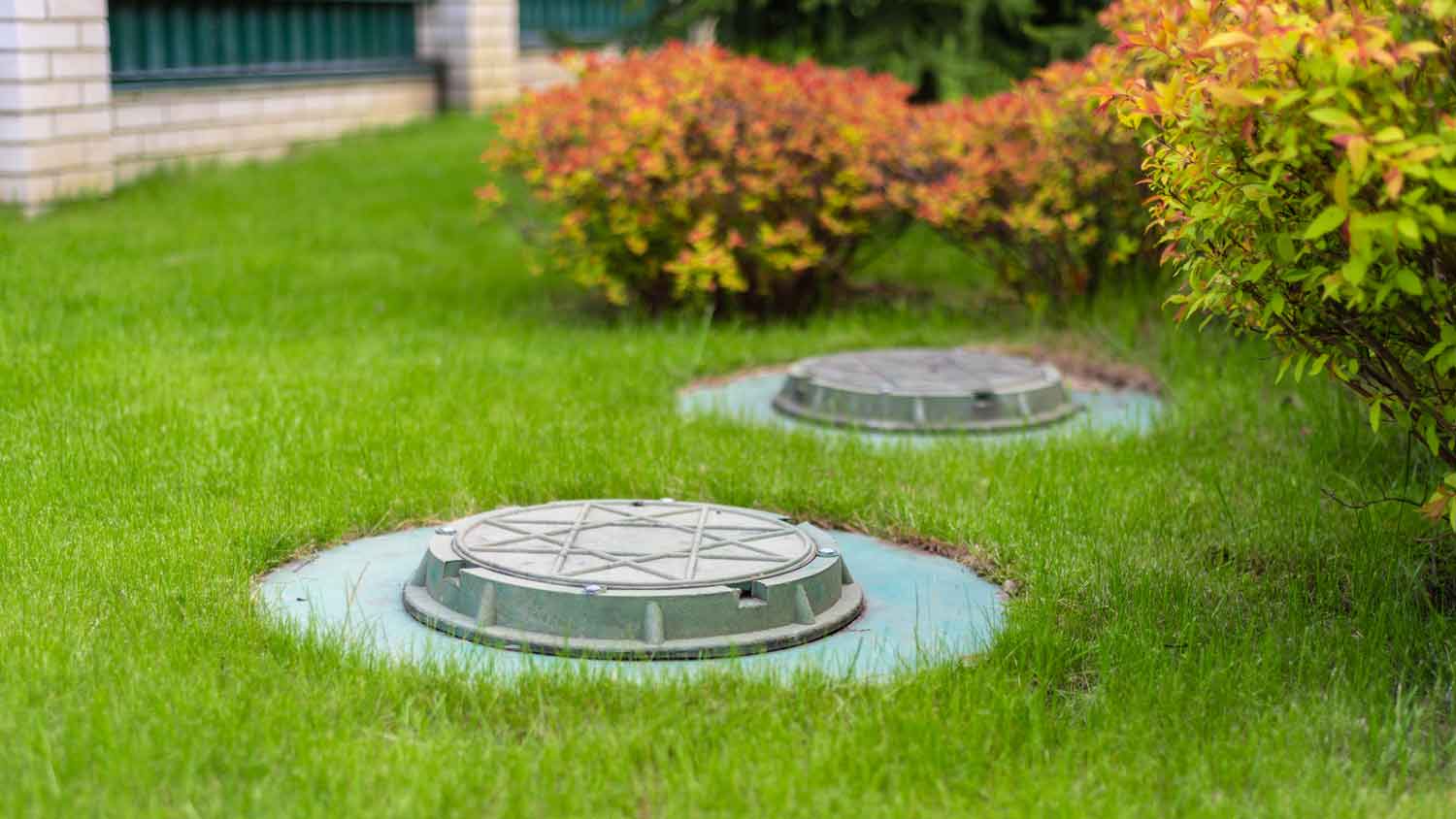
According to the Environmental Protection Agency (EPA), septic tanks must be located a decent distance from places subject to flooding or surface ponding. Additionally, septic tanks should be installed on level ground so that the waste can properly settle in the tank. Most tanks are located 10 to 20 feet away from the home. More specific requirements vary by location, so call a local septic pro or your local health department for more information.

Most professionals recommend that a deep well pump shouldn’t run more than 10 hours consecutively before cycling off. Overworking the well pump beyond the recommended amount can prematurely wear out your pump and burn out the motor, which means replacing it more often than you otherwise should need to. Your well pump should also come with the manufacturer’s use and maintenance recommendations that are specific to the model.

There are many reasons you may want to extend the depth of an existing well or drill a new, deeper well on your property. A deeper well can tap cleaner water sources—shallow water may contain more contaminants. With a deeper well, you’ll also have an easier time reaching the water table depth (the level at which underground water is found) and can get past tricky soil conditions. 

Plus, if your local building code requires a minimum well depth for safety and environmental standards, you’ll meet the code by digging a deeper well in the first place.

The Springfield, MN homeowners’ guide to septic tank services

From average costs to expert advice, get all the answers you need to get your job done.