







Top-rated septic tank pros.

Best septic tank pros near Fulda, MN

Enter your zip and get matched with up to 5 pros

Need a pro for your septic tank service project in Fulda, MN?

Select your specific project to find the pro for you.

Top-Rated Septic tank pros in Fulda - Updated Nov 2026

Avatar for American Home Shield – Home Warranty
American Home Shield – Home Warranty
3.5(
5,689
)
Septic System - Install or ReplaceSeptic System - Install or Replace - For BusinessSeptic System - Repair+3 more

Serving Fulda, MN and surrounding areas

In business since 1971

Credit card accepted

"The technician emptied the freezer, which was in the basement, to work on the part that needed repair. Then he neglected to put anything back into the freezer, including a turkey I had bought for Christmas and a rack of ribs. Two days after he left, I went out of town for two weeks. The turkey actually exploded and spewed its liquid all over everything, which had to be discarded. I let AHS know and they couldn't even bother to call me or follow up on this. I'm considering not renewing my contract with them because of the quality (or lack thereof) of many of the providers they send."

Additional Photos
Additional Photos
Additional Photos
Additional Photos
Additional Photos

+2

Recommended by65%of homeowners
Septic Tanks FAQs, answered by experts

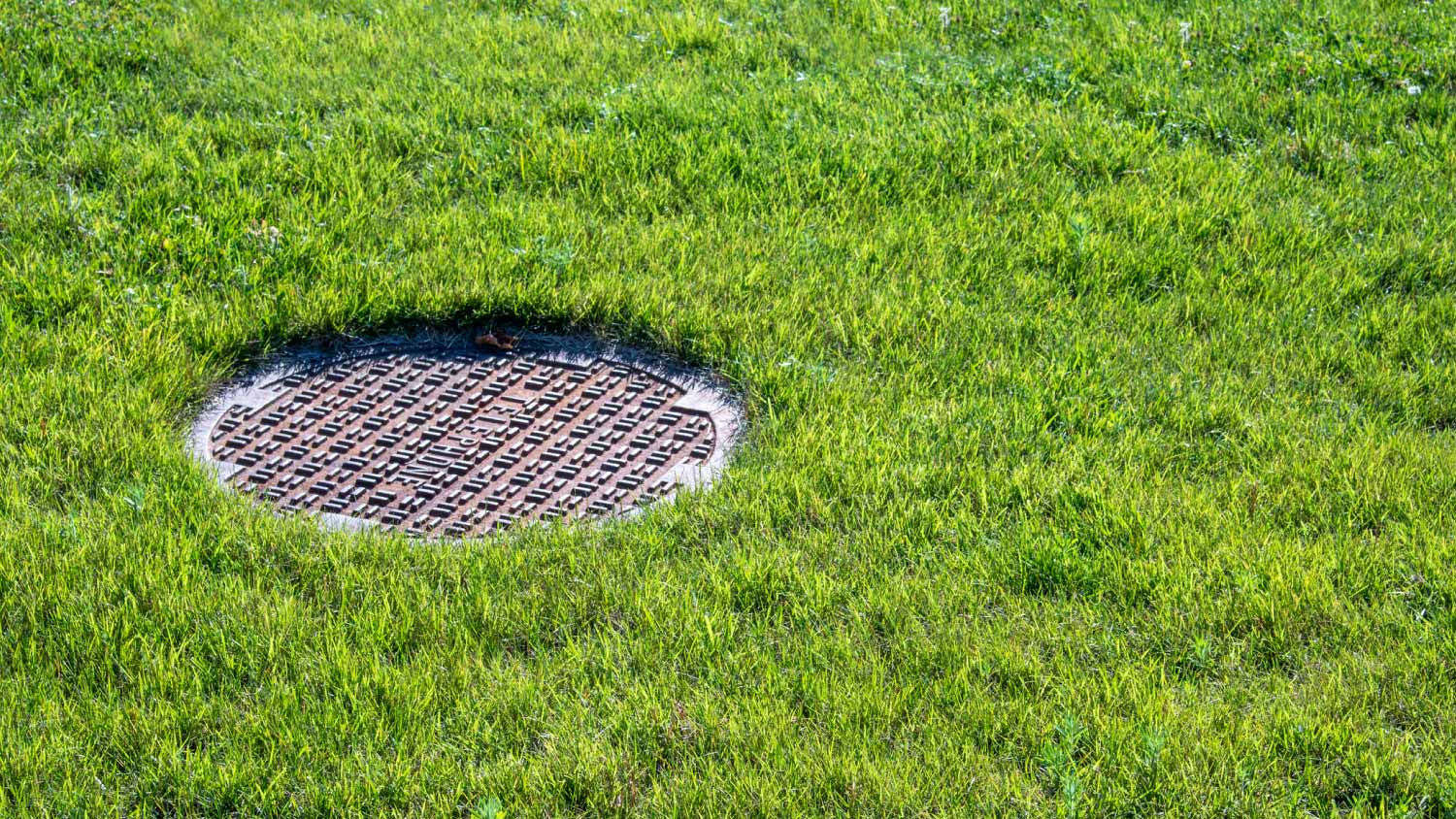
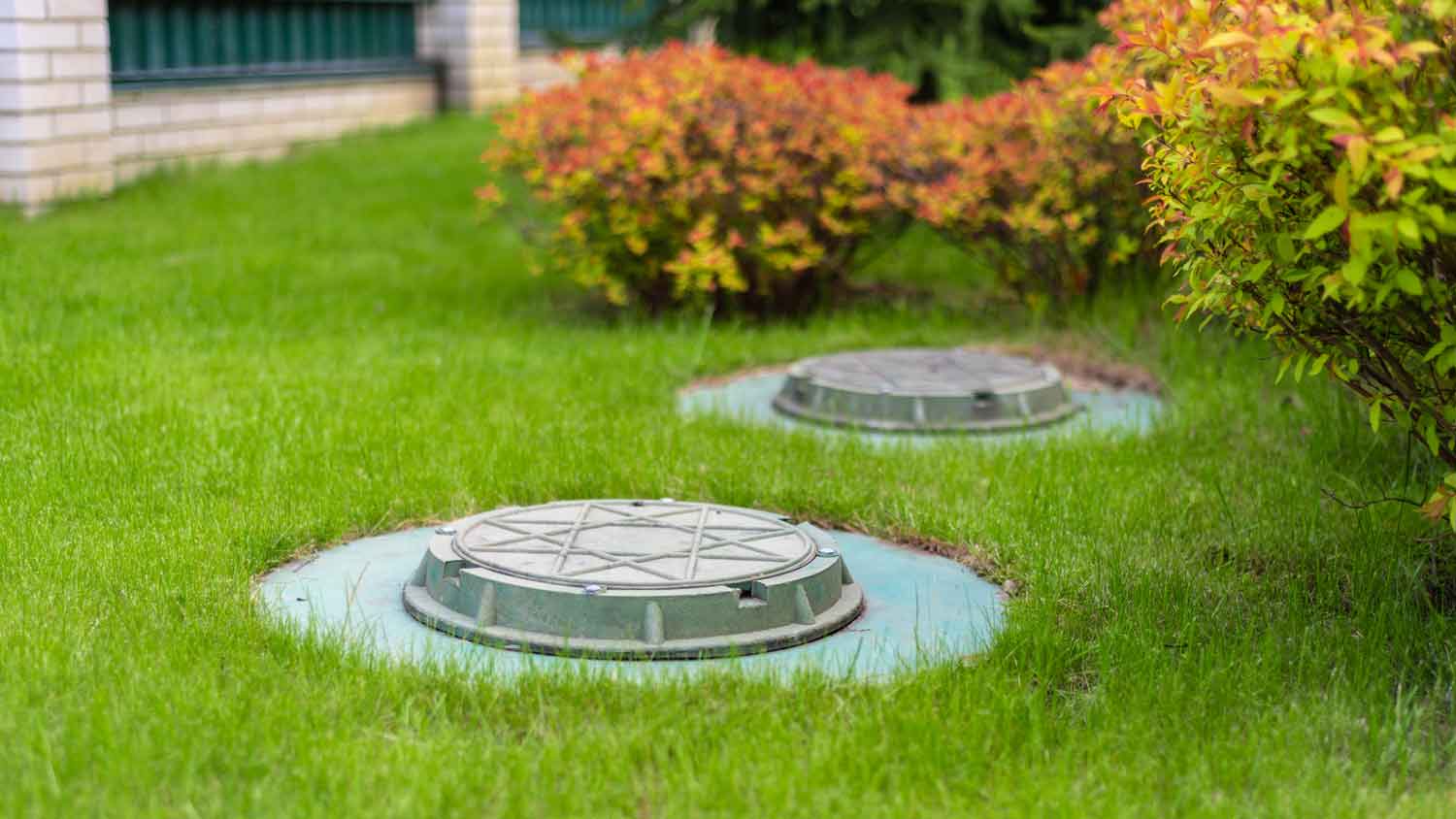
If you aren’t sure if you have a septic tank or a cesspit, you can check your property records or inspect your drainage system. A septic tank has an outlet pipe that allows liquid to drain into a soakaway or drain field, while a cesspit is a sealed tank that requires frequent emptying. If you notice a manhole cover and no nearby drainage field, it’s likely a cesspit. Signs like slow drainage or a frequent need for pumping can also provide clues. A professional inspection is the easiest way to confirm if your home runs on a septic tank or cesspit.

Your drain field or leach field should be 1 to 3 feet under the ground. It will be a little shallower than the septic tank, although it can be the same depth or slightly deeper. The proper depth of the septic tank is up to 4 feet. It’s possible that your local regulatory agency requires a certain depth for your drain field.

Good news: You’ll naturally increase the bacteria in your septic tank simply by using it. If you want to encourage more good bacteria growth, stop using products and household cleaners that kill bacteria, such as bleach and harsh chemicals. Never flush antibiotics, and make sure only water and waste go down the tube—not paper products, feminine hygiene products, or diapers.

Adding a thin layer of dirt over a septic drain field is fine, especially if soil erosion has occurred. However, adding too much dirt can compact the soil, reducing the drain field’s ability to absorb and filter wastewater properly. Avoid using heavy clay soil, as it can prevent proper drainage. Instead, use a light layer of topsoil and plant grass to help with soil stability.

Most home wells start at 100 feet, and many go as deep as 200 or 300 feet. 

It takes quite a lot of water to meet the demands of showers, toilets, faucets, and appliances like dishwashers and laundry machines, and shallow wells struggle to provide this amount quickly. If you anticipate having high water usage in the future, it’s often better to drill slightly deeper and give yourself a bit more water storage than you need.

The Fulda, MN homeowners’ guide to septic tank services

From average costs to expert advice, get all the answers you need to get your job done.