






Top-rated excavation pros.

Get matched with top excavation pros in Maple Grove, MN

Enter your zip and get matched with up to 5 pros

Need a pro for your excavation project in Maple Grove, MN?

Select your specific project to find the pro for you.

TRUSTED BY MAPLE GROVE, MN HOMEOWNERS

  • Average homeowner rating star icon4.9
    Average homeowner rating
  • Verified reviews icon55
    Verified excavation services reviews

Find Excavation pros in Maple Grove

Avatar for Taz Construction, LLC
Taz Construction, LLC
5.0(
9
)
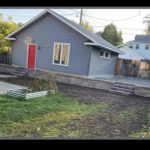
Landscape - Minor Grading or Resloping

Serving Maple Grove, MN and surrounding areas

Approved

In business since 2024

Free estimates

Emergency services offered

"Out of three contractor bids, Taz construction was the only one who actually listened to what we wanted. They did a fantastic high quality job, paying attention to every detail. I would highly recommend them."
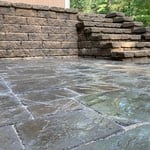
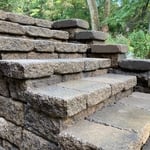
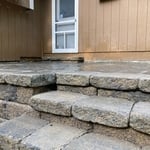
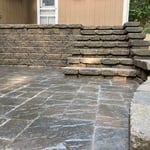
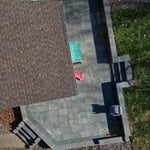
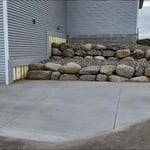
stair/patio/wall install

+19

Response time1 day
Response rate93%
20 neighbors recently requested a quote
Avatar for Romero Landscape & Tree Service
Romero Landscape & Tree Service
5.0(
6
)
Landscape - Minor Grading or Resloping

Serving Maple Grove, MN and surrounding areas

Approved

In business since 2016

Free estimates

Emergency services offered

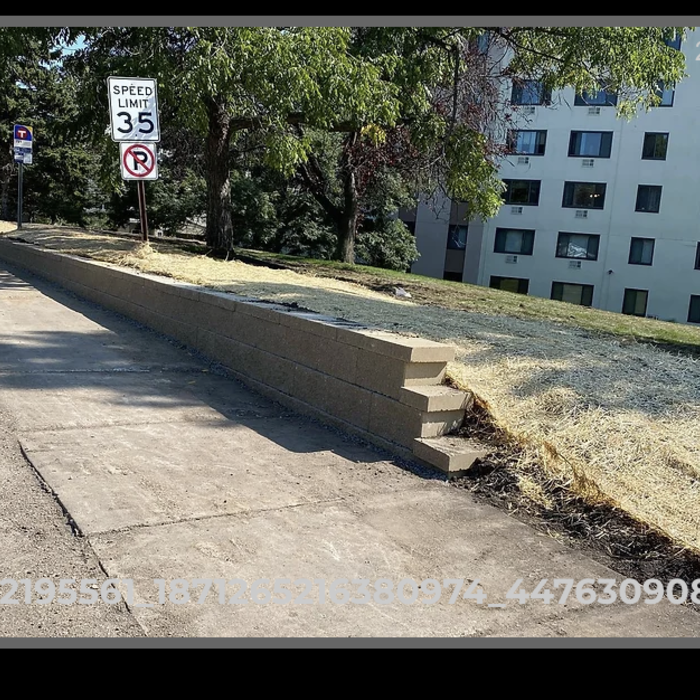
"Hired for tree removal, block wall upgrade, remove garden, install sod, tree removal and trimming of another tree. Excellent service, and fair pricing. They cleaned up after work was done even in the street where trucks for debris were stationed. Workers worked very hard and were very nice and did a great job. Mariano, the owner was willing to help out with things I forgot to mention at the bidding process and all work completed in the designated time. I would hire them again."
Response time5 hrs
Response rate85%
4 neighbors recently requested a quote
Avatar for Loews Sod
Loews Sod
4.9(
8
)
Landscape - Minor Grading or Resloping

Serving Maple Grove, MN and surrounding areas

Approved

In business since 2021

Credit card accepted

Offers commercial services

"Brady did a wonderful job. Was very clear about how long the project would take and when heâ d start it. Him and his crew were very professional and treated my yard like it was their own, I highly recommend Loews Sod"
Response time12 hrs
Response rate94%
1 neighbors recently requested a quote
...
Showing 1-10 of 156
Excavating questions, answered by experts

Call 811 to locate and mark the gas lines at least three days before digging. In many areas, you can dig within 18 inches of the lines, though in some locations, the distance may be further. Check local regulations, as you may need a utility company representative onsite when digging. Document your calls to 811 and precautions taken to avoid gas lines. A homeowner can be held liable for hitting a gas line in some cases, but contacting the proper authorities and following all guidelines can offer protection.

Trenching and boring are two distinct methods for installing underground utilities. Trenching involves digging a channel using equipment like an excavator, trencher, backhoe, or shovel. While it is a simpler process, it causes significant disruption to the surface, landscaping, and surrounding ecosystems.

Boring, also known as directional boring, is a less invasive alternative that uses a drill to create a tunnel for utility lines without disturbing the surface. This method is more precise and is ideal for installations that need to go underneath buildings, roads, or bodies of water. Although boring is less disruptive, it is generally more expensive than trenching.

Most residential basements are 8 to 10 feet deep. You can dig deeper depending on building codes, but it does become more difficult. You’ll likely need to install stronger foundation walls and additional supports to handle the increased load. Depending on the water table, you may also need a water management system. Clay soil can support a deeper foundation than sandy soil. A structural engineer will be able to tell you the maximum, feasible depth.

Preparation involves site assessment, clearing debris, grading surfaces, and compacting soil to support stable construction.

Water lines are buried at various depths, depending on the type of line. For example, most sprinkler lines are buried between four and 12 inches underground. On the other hand, water mains usually sit between one and 3 feet below ground. However, they can go even deeper in cold climates to prevent freezing.

The Maple Grove, MN homeowners’ guide to excavation services

From average costs to expert advice, get all the answers you need to get your job done.