



Dalet Doors
Drywall - Install
Serving Little Falls, MN and surrounding areas
Approved
Free estimates
Warranties offered
"Fast quality work, very professional."


1 neighbors recently requested a quote

*The Angi rating for Drywall Service companies in Little Falls, MN is a rating based on verified reviews from our community of homeowners who have used these pros to meet their Drywall Service needs.
*The HomeAdvisor rating for Drywall Service companies in Little Falls, MN is a rating based on verified reviews from our community of homeowners who have used these pros to meet their Drywall Service needs.
Last update on October 05, 2026
Serving Little Falls, MN and surrounding areas
Approved
Free estimates
Warranties offered
"Fast quality work, very professional."
Serving Little Falls, MN and surrounding areas
Approved
In business since 2024
Free estimates
Credit card accepted
We are committed to excellence in every aspect of our business. \nWe uphold a standard of integrity bound by fairness, honesty, and personal \nresponsibility. Our distinction is the quality of service we bring to our customers. \nAccurate knowledge of our trade combined with ability is what makes us true \nprofessionals. Above all, we are watchful of our customers' interests and make \ntheir concerns the basis of our business.

Serving Little Falls, MN and surrounding areas
Free estimates
Warranties offered
Credit card accepted
"We were very pleased with them, and they did what they said they're going to do and did it well."
+7
Serving Little Falls, MN and surrounding areas
In business since 2018
Free estimates
Emergency services offered
"I recommend this company for other people."
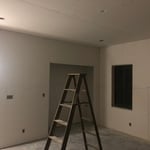
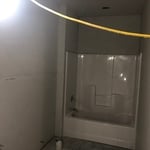
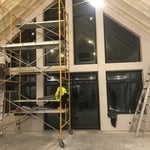
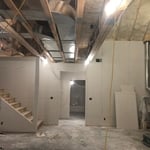
+55
Serving Little Falls, MN and surrounding areas
Serving Little Falls, MN and surrounding areas
In business since 2001
Free estimates
Credit card accepted
"I would highly recommend Horizon Painting."



+9
Serving Little Falls, MN and surrounding areas
In business since 2021
Free estimates
Credit card accepted
"They were very easy to work with! Reasonable price! Would definitely call again!"
Serving Little Falls, MN and surrounding areas
In business since 2000
"Did a great job on drywall our basement and bathroom."
Serving Little Falls, MN and surrounding areas
In business since 2024
Free estimates
Small jobs welcome
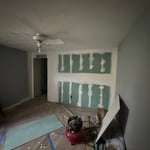
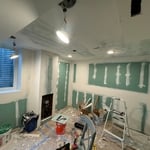
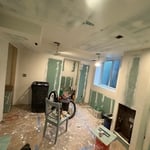
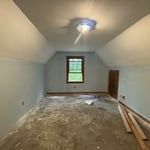
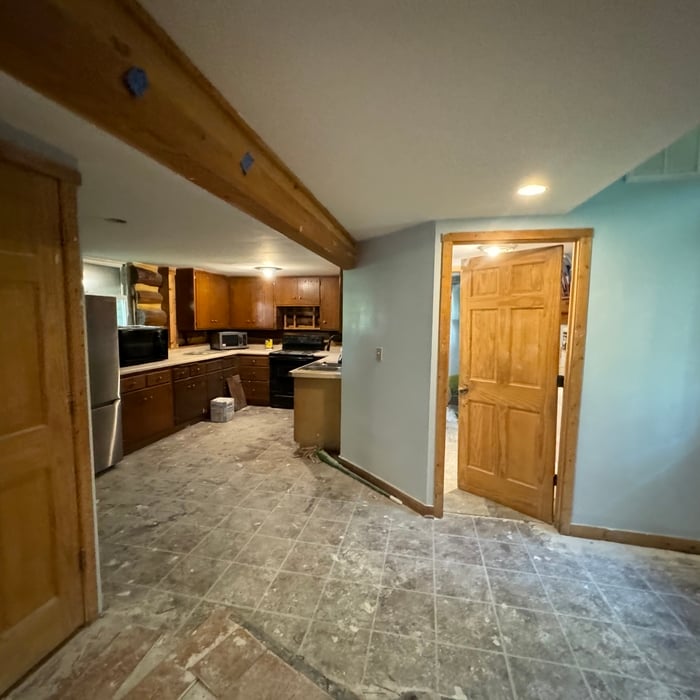
"They were very efficient and thorough with what seemed like an overwhelming task, to remove all the textured ceiling in one huge room and 3 smaller ones, but they did a beautiful job."
+14
Serving Little Falls, MN and surrounding areas
In business since 2020
Free estimates
Emergency services offered
"hanging a barn door and fixing a door frame"
+26
From average costs to expert advice, get all the answers you need to get your job done.

Drywall texture can create an attractive finish and add dimension to your home’s walls. This guide breaks down the factors that influence the cost to texture drywall.

Installing drywall is the most common way to finish your home’s interior. Use this drywall installation cost guide to see what your project is likely to cost.

Whether you want to spruce up a few dents and dings or fix a large surface area, investing in drywall repair costs can return your walls to a smooth, flush look.

Understanding the plaster vs. drywall debate is key to giving your home’s walls the perfect finish. Learn more about the pros, cons, and costs with our advice.

Thick gaps and extra joint compound can alter the look of drywall. So, should drywall be butt up against a wall? Review this guide for seamless installation.
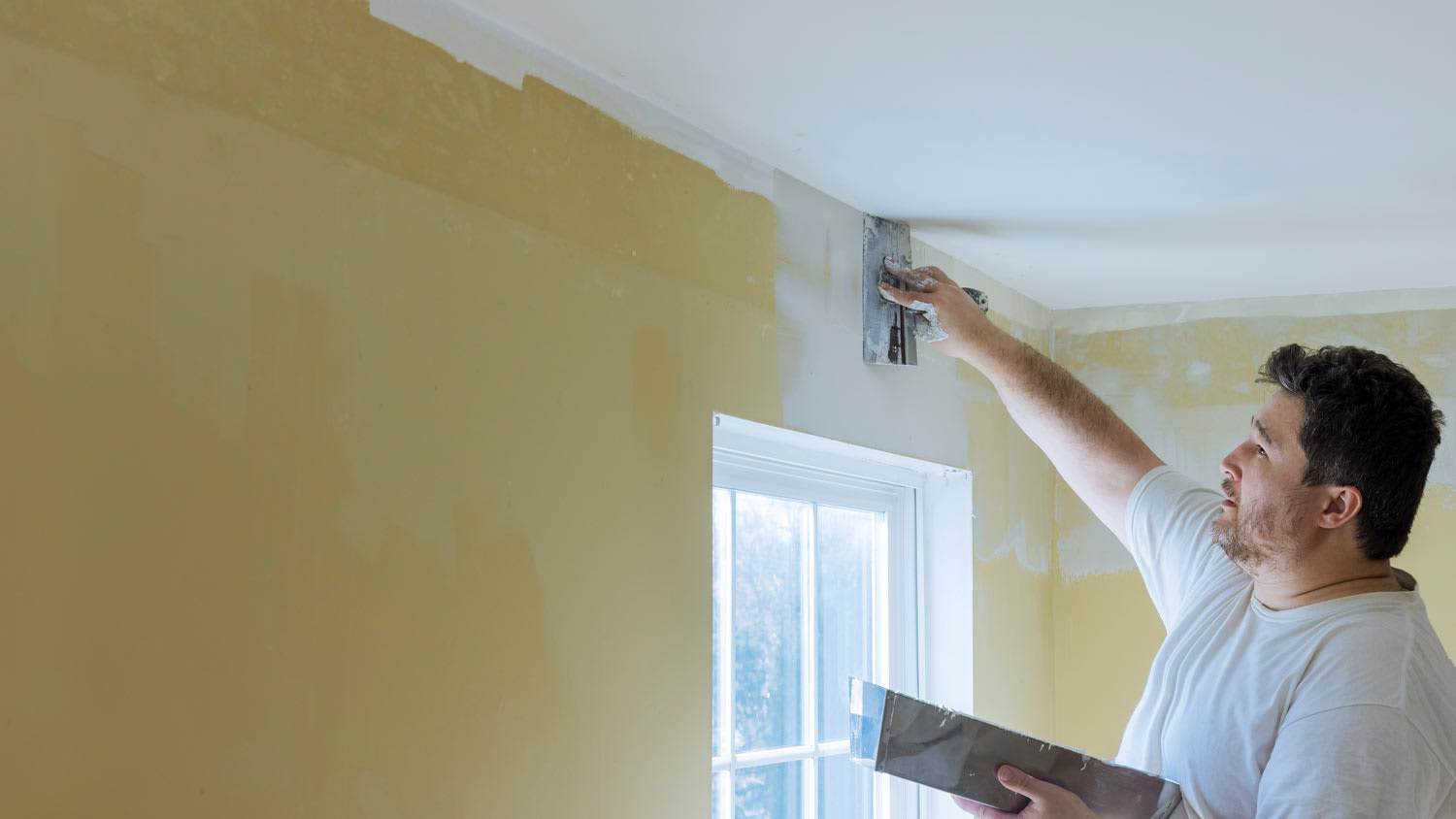
Can you put drywall over drywall to cover old, damaged or cracked plaster walls? Read our guide to determine if this is the right solution for your walls.