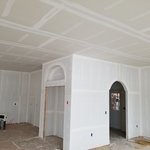
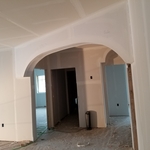
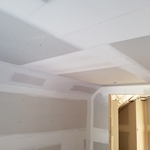
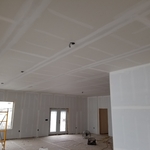
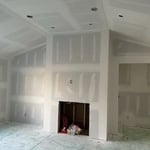
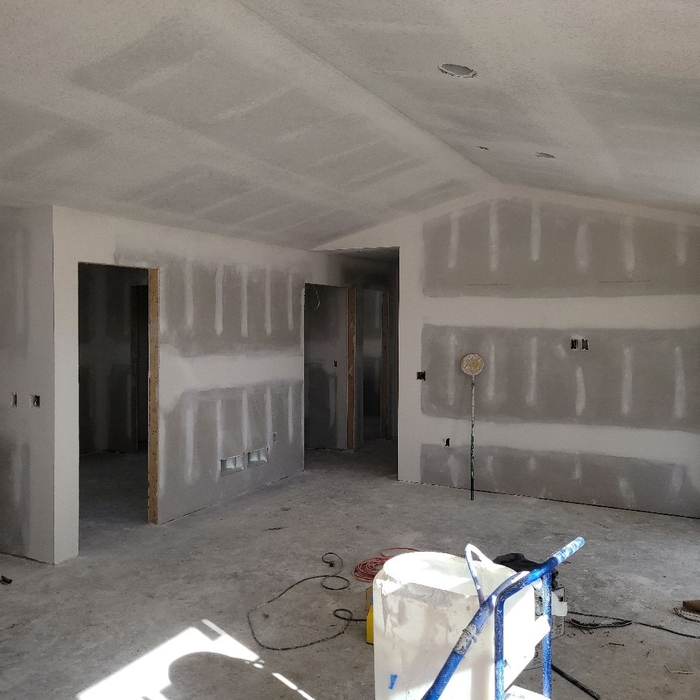
With over 12 years of experience in plaster and drywall, we are the experts you need to take care of your home or business. We handle everything from interior painting to drywall. We will treat your home as we would treat our own. Give Floor to Ceiling Drywall a call today, we look forward to working with you!
\n
We are committed to excellence in every aspect of our business.
\nWe uphold a standard of integrity bound by fairness, honesty, and personal
\nresponsibility. Our distinction is the quality of service we bring to our customers.
\nAccurate knowledge of our trade combined with ability is what makes us true
\nprofessionals. Above all, we are watchful of our customers' interests and make
\ntheir concerns the basis of our business.
"Jeremy gave us a quote on all repairs for the work that had to be done reasonably estimate and also some extras … the crew was on time and did a exceptionally great job on all was done in the time they had said !! The job was done great from start to finish !!! I would recommend Jeremy and Northern Lakes Drywall to all !!!!! If your looking for a professional job and a reasonable price this is your place !!!! Thanks again!!!"
Brad Gangestad Drywall LLC is committed to excellence in every aspect of our business. We uphold a standard of integrity bound by fairness, honesty, and personal responsibility. Our distinction is the quality of service we bring to our customers. Accurate knowledge of our trade combined with ability is what makes us true professionals. Above all, we are watchful of our customers' interests, and make their concerns the basis of our business.
"He did a great job and we were very happy with his work. He took the time to fix problems with the drywall before he started taping. He made sure is finished work was perfect. I would hire him again."
Horizon Painting is committed to excellence in every aspect of our business. We uphold a standard of integrity bound by fairness, honesty, and personal responsibility. Our distinction is the quality of service we bring to our customers. Accurate knowledge of our trade combined with ability is what makes us true professionals. Above all, we are watchful of our customers' interests, and make their concerns the basis of our business.
Northern Lakes Drywall LLC is here to help! We offer both new installs and repair services for drywall. We are based out of the Royalton, MN area. Give our team a call today. We're looking forward to working with you!
\n
"Northland Drywall was great to work with. Courteous, right on schedule, quality work, and great value. I would certainly hire these guys again. Had a recommendation on a great painter as well."
We are committed to excellence in every aspect of our business. We uphold a standard of integrity bound by fairness, honesty, and personal responsibility. Our distinction is the quality of service we bring to our customers. Accurate knowledge of our trade combined with ability is what makes us true professionals. Above all, we are watchful of our customer's interests and make their concerns the basis of our business.
Yes, even if you’re being careful, removing tile can damage your drywall to some degree. However, you can minimize the damage done to it by eliminating a majority of the grout and taking your time prying each tile off. Also, it's worth noting that you might have more drywall damages to deal with if your tile is set into the mortar.
Costs depend on damage size, labor rates, and whether additional services like painting are required.
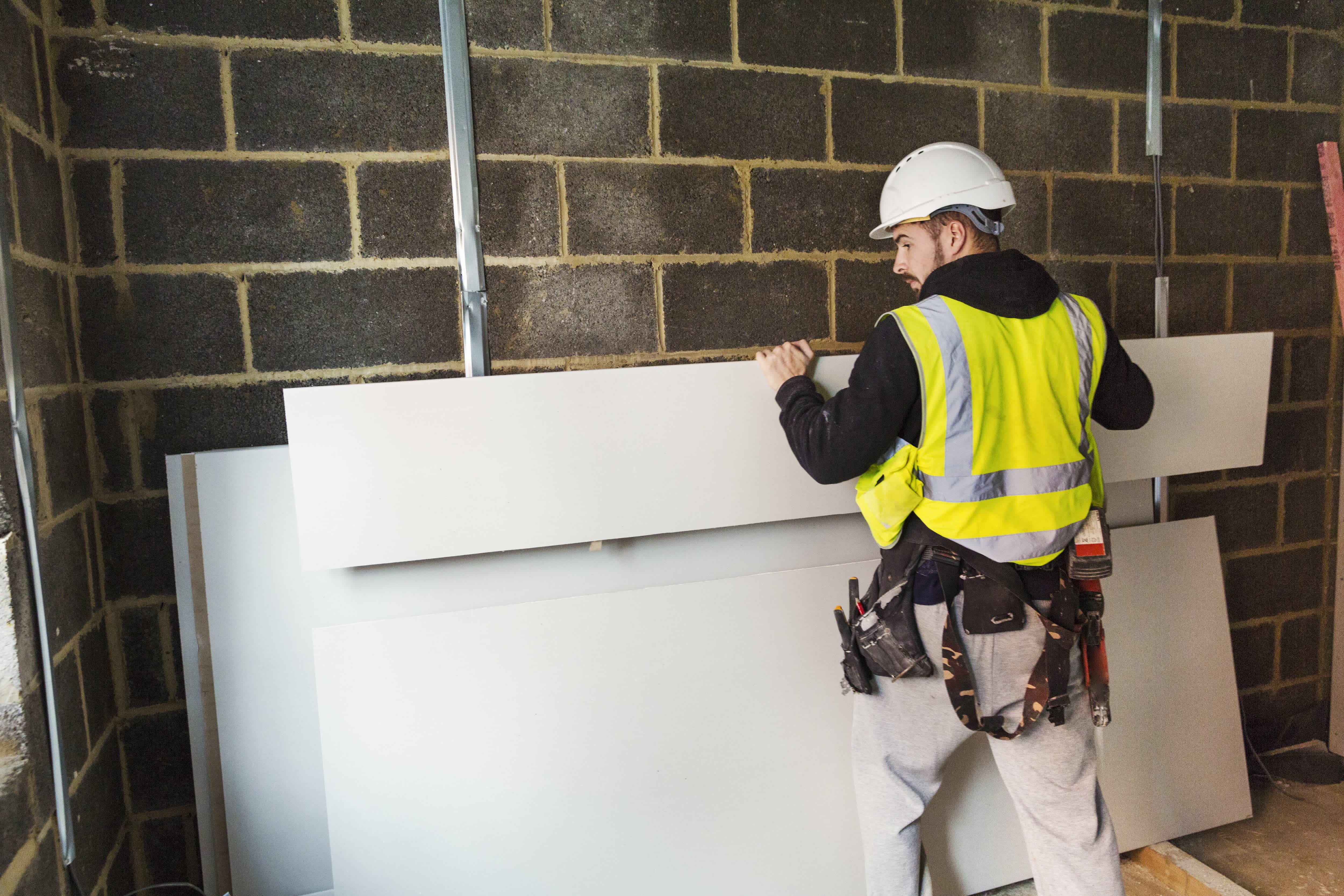
How you hang the drywall can affect the finishing process. It's often easier to finish horizontal drywall panels, as the seams run across the wall rather than up and down. Standard drywall panels are 48 inches wide, so the seam is easy to reach without bending down or stretching your arms.
Costs depend on labor, material quality, wall preparation, and finishing requirements.
Yes, you can use drywall repair techniques for some types of plaster damage. Tiny holes and small cracks in plaster can be patched in similar ways to drywall. You apply the necessary compound to fill the hole, wait for it to dry, then sand it down. For larger damage, like water damage or mold, you need to use plaster-specific techniques and materials.
The Brainerd, MN homeowners’ guide to drywall services
From average costs to expert advice, get all the answers you need to get your job done.
Installing drywall is the most common way to finish your home’s interior. Use this drywall installation cost guide to see what your project is likely to cost.
Whether you want to spruce up a few dents and dings or fix a large surface area, investing in drywall repair costs can return your walls to a smooth, flush look.
Can you put drywall over drywall to cover old, damaged or cracked plaster walls? Read our guide to determine if this is the right solution for your walls.
The terms drywall and Sheetrock are often used interchangeably, but one is a brand and one is a specific product. Find out which one you need in this guide.