


Top-rated drywall pros.

Get matched with top drywall pros in Albany, MN

Enter your zip and get matched with up to 5 pros

Need a pro for your drywall service project in Albany, MN?

Select your specific project to find the pro for you.

TRUSTED BY ALBANY, MN HOMEOWNERS

  • Average homeowner rating star icon4
    Average homeowner rating
  • Verified reviews icon10
    Verified drywall services reviews

Find Drywall pros in Albany

Avatar for All About Remodeling LLC
All About Remodeling LLC
5.0(
17
)
Drywall - Install

Serving Albany, MN and surrounding areas

Approved

Super Service Award Winner

In business since 2023

Free estimates

Emergency services offered

"Kacey's work is exceptional! For us he did drywall, painting, carpentry, roof repair, flooring, and all was on time, at a great price and professionally done. If you can get him, you will treasure his work."
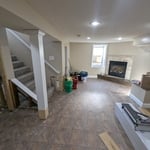
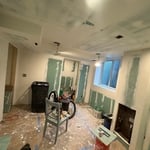
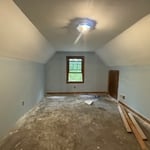
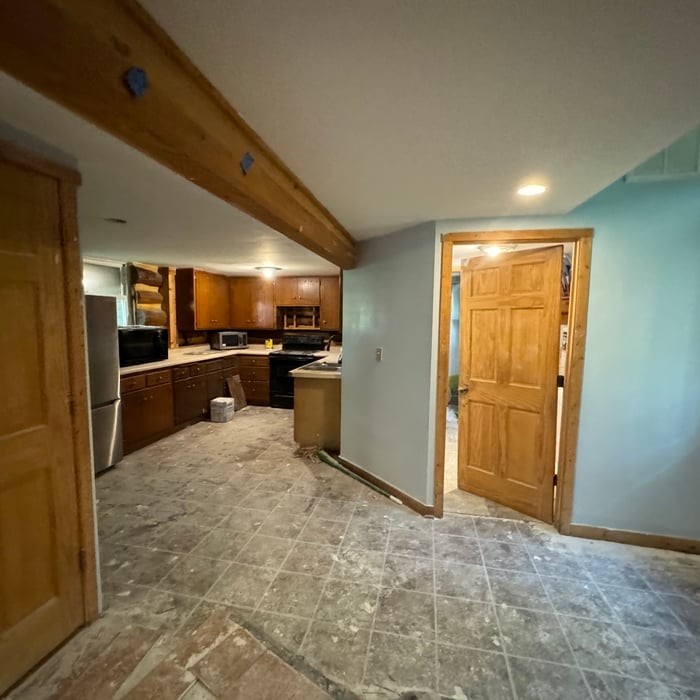
Basement Before
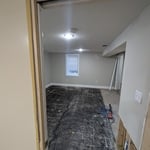
Bedroom Before
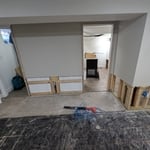
Bedroom Before
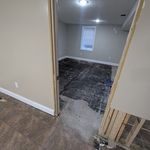
Bedroom Before
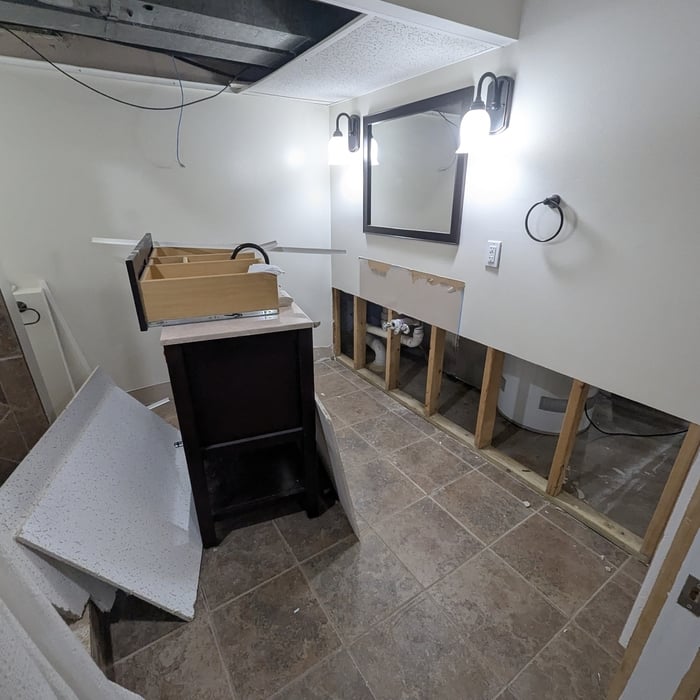
Bathroom Before

+156

Response time1 day
Recommended by6%of homeowners
Avatar for Northern Lakes Drywall
Northern Lakes Drywall
5.0(
7
)
Drywall - InstallDrywall - Install - For BusinessDrywall - Repair+1 more

Serving Albany, MN and surrounding areas

Free estimates

Warranties offered

Credit card accepted

"Jeremy gave us a quote on all repairs for the work that had to be done reasonably estimate and also some extras … the crew was on time and did a exceptionally great job on all was done in the time they had said !! The job was done great from start to finish !!! I would recommend Jeremy and Northern Lakes Drywall to all !!!!! If your looking for a professional job and a reasonable price this is your place !!!! Thanks again!!!"
Additional Photos
Additional Photos
Additional Photos
Additional Photos
Additional Photos

+7

Recommended by100%of homeowners
Showing 1-10 of 38
Drywall questions, answered by experts

There are a handful of reasons why your drywall anchors are breaking. Using the wrong type of anchor is the most common problem, so always make sure you’re using the best option for a particular project. That there are electrical wires or plumbing where you’ve placed an anchor or that your drywall is weak are two other possible causes. 

Furring strips, thin strips of wood or metal, are not always required for ceiling drywall installation. If the ceiling surface is even and in good condition, drywall can be directly attached to the ceiling joists using screws. However, furring strips become essential when dealing with irregular surfaces or when additional insulation or soundproofing is needed. They create a level substrate for attaching the drywall. Ultimately, the decision to use furring strips depends on the condition of the existing ceiling and the specific requirements of the project.

You should always hang drywall from the top down. Starting at the top makes it easier to create a straight, tight line between the ceiling and the wall. Any gaps that occur will be at the bottom, where they are easier to manage. You can either cut the bottom piece of drywall to fit the remaining space or cover the gap with baseboard trim. Additionally, starting at the top is physically easier, as you won't have to fit the top sheet into a tight space between the lower sheet and the ceiling, or try to balance the upper sheets on the lower ones while securing them.

A post-drywall inspection could uncover many problems that weren’t present during the pre-drywall inspection, including insufficient insulation, missing weather stripping, improperly installed plumbing and lighting fixtures, flooring damage, drywall damage, plumbing leaks, aesthetic issues, and more. Structural problems, which are often expensive to fix and are common reasons to walk away after a home inspection, are easier to see before the drywall goes up, but a post-drywall inspection may highlight minor issues with house settling and foundation problems.

The two most common drywall thicknesses for ceilings are 1/2-inch and 5/8-inch. For most standard residential applications, 1/2-inch drywall is sufficient and widely used. It provides adequate support and is lighter and easier to handle during installation compared to thicker sheets. However, 5/8-inch drywall is often used for specific cases where additional benefits are needed. It is heavier but provides superior sound dampening and fire resistance. You should consider using 5/8-inch drywall for ceilings in commercial buildings, between a garage and a living space, or above a finished basement to meet building codes or for enhanced soundproofing.

The Albany, MN homeowners’ guide to drywall services

From average costs to expert advice, get all the answers you need to get your job done.