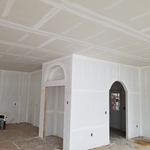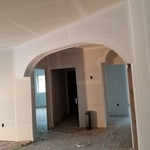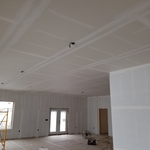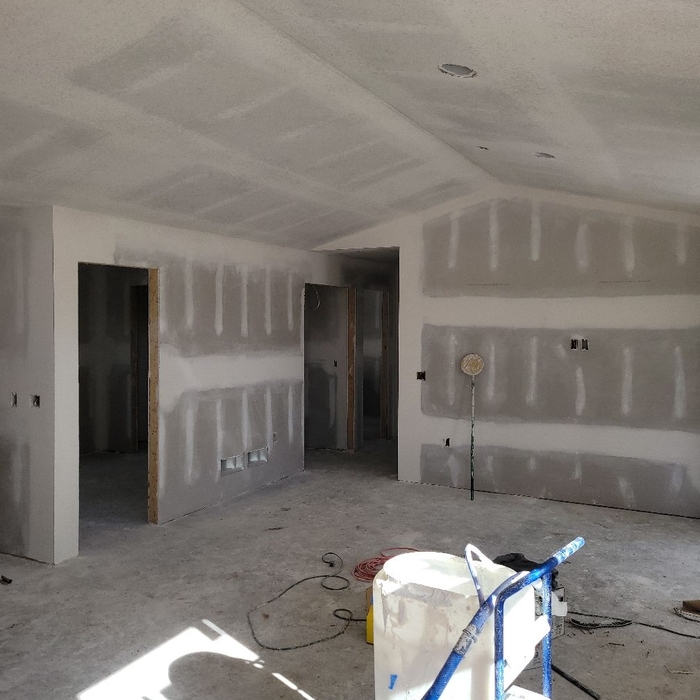



Top-rated drywall pros.

Best drywall pros near Motley, MN

Enter your zip and get matched with up to 5 pros

Need a pro for your drywall service project in Motley, MN?

Select your specific project to find the pro for you.

Top-Rated Drywall pros in Motley - Updated Nov 2026

Brainerd Lakes Drywall LLC
New to Angi
Drywall - RepairDrywall - InstallDrywall - Install - For Business+1 more

Serving Motley, MN and surrounding areas

Approved

In business since 2024

Free estimates

Credit card accepted

We are committed to excellence in every aspect of our business. \nWe uphold a standard of integrity bound by fairness, honesty, and personal \nresponsibility. Our distinction is the quality of service we bring to our customers. \nAccurate knowledge of our trade combined with ability is what makes us true \nprofessionals. Above all, we are watchful of our customers' interests and make \ntheir concerns the basis of our business.

12 neighbors recently requested a quote
Showing 1-10 of 29
Drywall FAQs, answered by experts

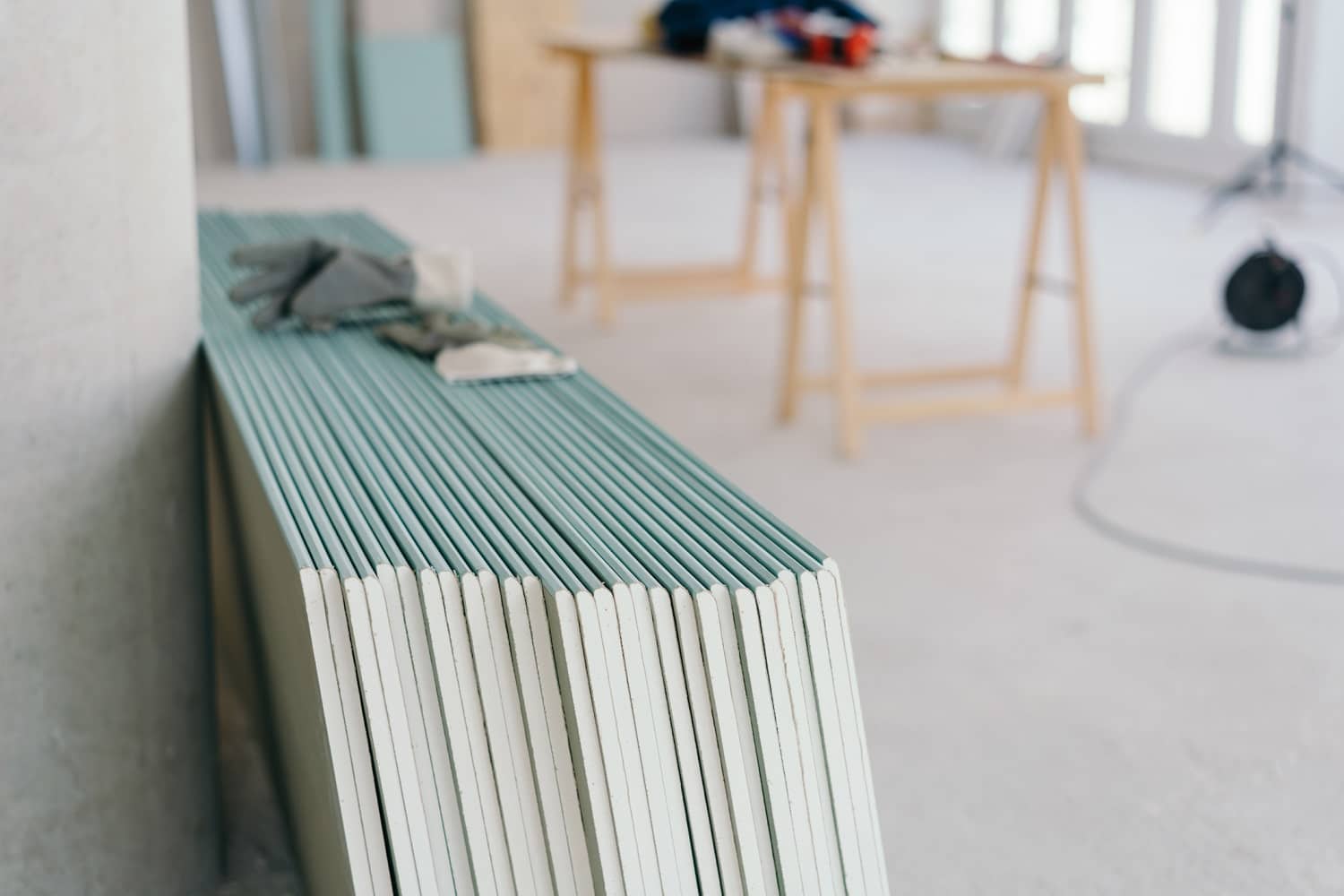
Yes, it matters which side of drywall you use. One side is smooth, and the other is rough. The smooth side should be facing outward, toward the room, while the rough side should be hidden and facing the studs and framing of the house. The smooth side will be easier to apply tape, joint compound, and, later, paint to.

Although they are used for similar tasks, spackle and joint compound are not the same. Joint compound, also known as drywall mud, consists of limestone and gypsum and is primarily used for large-scale projects like taping and finishing seams on new drywall. Spackle is composed of gypsum and binding agents, making it a thicker compound best suited for small wall repairs like filling nail holes or cracks, as it dries quickly and is easy to sand. For small repairs, either product can be suitable. However, you can use joint compound for small jobs in place of spackle, but you cannot use spackle for large-scale taping and mudding projects.

How you hang the drywall can affect the finishing process. It's often easier to finish horizontal drywall panels, as the seams run across the wall rather than up and down. Standard drywall panels are 48 inches wide, so the seam is easy to reach without bending down or stretching your arms.

Wall anchors are suitable for drywall and plaster walls, which are common in most homes. However, different wall materials may require specialized anchors. For concrete or masonry walls, you'd typically use concrete anchors. When dealing with other wall types, such as brick or tile, specific anchors designed for those materials may be necessary. Always consult with a hardware specialist or check the manufacturer's recommendations to ensure you select the appropriate anchors for your specific wall type.

If you’re looking for a reliable plaster repair company, you should start by researching local companies in your area and reviewing their status with the Better Business Bureau. Next, you can contact the potential companies to ask about experience levels, get a list of references, and ask for examples of past work. If you have a textured wall, consider asking if they have examples or references for that particular texture. This method should help you narrow your search even further. You may also want to ask each company if they provide a warranty for their work.

The Motley, MN homeowners’ guide to drywall services

From average costs to expert advice, get all the answers you need to get your job done.