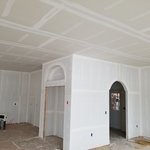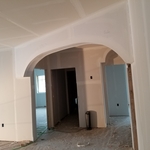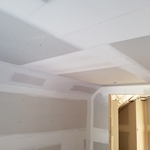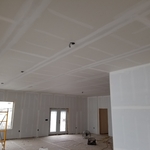





Top-rated drywall pros.

Get matched with top drywall pros in Cushing, MN

Enter your zip and get matched with up to 5 pros

Need a pro for your drywall service project in Cushing, MN?

Select your specific project to find the pro for you.

Find Drywall pros in Cushing

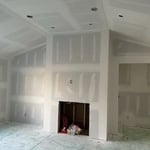
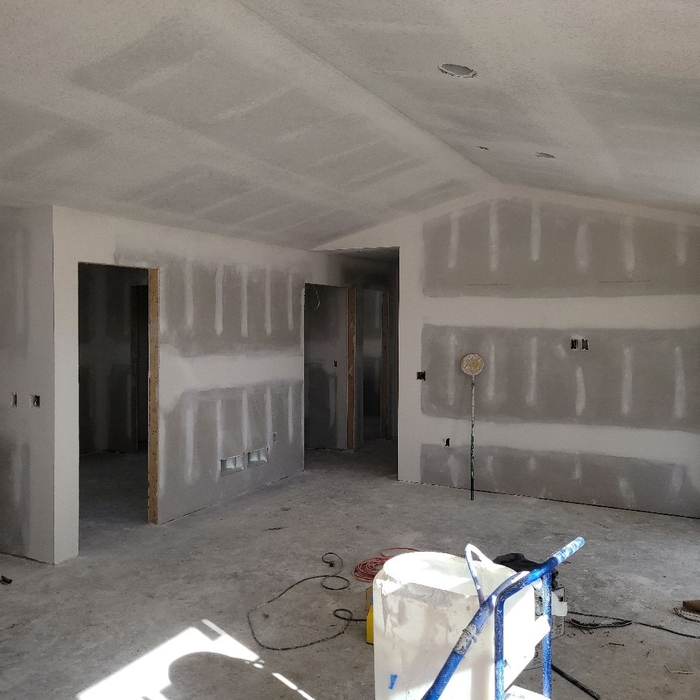
Brainerd Lakes Drywall LLC
New to Angi
Drywall - RepairDrywall - InstallDrywall - Install - For Business+1 more

Serving Cushing, MN and surrounding areas

Approved

In business since 2024

Free estimates

Credit card accepted

We are committed to excellence in every aspect of our business. \nWe uphold a standard of integrity bound by fairness, honesty, and personal \nresponsibility. Our distinction is the quality of service we bring to our customers. \nAccurate knowledge of our trade combined with ability is what makes us true \nprofessionals. Above all, we are watchful of our customers' interests and make \ntheir concerns the basis of our business.

3 neighbors recently requested a quote
Showing 1-10 of 30
Drywall questions, answered by experts

Drywall can get wet and dry out without sustaining permanent damage, but only if the water damage is minor. If you have a small leak and are quick to correct the issue and set up blower fans and dehumidifiers, your drywall should dry out. If the leak is persistent, the drywall becomes totally waterlogged, or mold begins forming on the drywall, you should remove and replace it.

Costs depend on damage extent of damage, labor, finishing, and whether mold remediation is needed.

Drywall can be installed directly on ceiling joists. In fact, this method is common in many construction projects. Drywall sheets are attached to the joists using screws, ensuring a secure and stable installation. Before attaching the drywall, it's important to mark the joist locations on the ceiling, allowing for accurate screw placement. Proper spacing between screws and careful taping and mudding of joints are crucial to creating a smooth and flawless ceiling surface. If the joists are in good condition and level, installing drywall directly on them is a practical and efficient approach.

Although they are used for similar tasks, spackle and joint compound are not the same. Joint compound, also known as drywall mud, consists of limestone and gypsum and is primarily used for large-scale projects like taping and finishing seams on new drywall. Spackle is composed of gypsum and binding agents, making it a thicker compound best suited for small wall repairs like filling nail holes or cracks, as it dries quickly and is easy to sand. For small repairs, either product can be suitable. However, you can use joint compound for small jobs in place of spackle, but you cannot use spackle for large-scale taping and mudding projects.

Whether you apply the drywall mesh before or after drywall mud depends on the type of patch it is. For self-adhesive patches, you’ll put the patch down first and then coat it with mud. Mesh patches that are not self-adhesive will require you to put mud down first and then press the mesh into it, followed by additional coats of mud.

The Cushing, MN homeowners’ guide to drywall services

From average costs to expert advice, get all the answers you need to get your job done.