



Top-rated generator install pros.

Get matched with top generator install pros in Clarkfield, MN

Enter your zip and get matched with up to 5 pros

Need a pro for your generator install project in Clarkfield, MN?

Select your specific project to find the pro for you.

Find Generator install pros in Clarkfield

Tyler Electric, LLC
New to Angi

Serving Clarkfield, MN and surrounding areas

In business since 1978

Free estimates

Here at Tyler Electric, LLC, we are a locally owned and operated company that values honesty and integrity and treats your home as if it were our own. We offer a variety of quality home improvement services. You will find us to be competitively priced with close attention to the details of each and every project that we are involved with. We look forward to building lasting relationships and guarantee your satisfaction!
Mitlyng Electric & Refrigeration
1.0(
1
)

Serving Clarkfield, MN and surrounding areas

In business since 1984

Free estimates

Emergency services offered

Mitlyng Electric, HVAC & Refrigeration was founded in 1984 in Montevideo, MN, where we continue to reside. We primarily serve customers in West Central Minnesota, but have worked with clients as far away as Texas. We serve both individuals and commercial entities of any size. No job is too big or small! At Mitlyng, your satisfaction is our top concern. Our roots in small town Minnesota bring with them friendliness and respect that we integrate into every interaction. Whatever your problem or concern may be, we hope to address it in a professional, respectful, and cost-effective manner. Mitlyng Electric, HVAC & Refrigeration provides a combination of customer service and quality products to make any business or homeowner comfortable and confident with their electric, heating, and cooling systems.

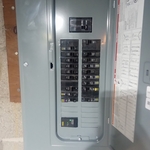
Completed Panel
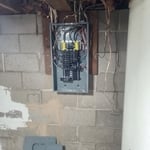
In progress wiring
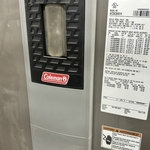
Furnace
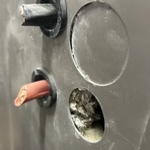
Furnace Wires Chewed
Response time5 hrs
Generator Install questions, answered by experts

Whole-house generators can run continuously for extended periods, even for weeks at a time (around 400 to 500 hours), as long as they have a sufficient fuel supply. However, this type of extensive use will increase wear and tear and can shorten the generator's overall lifespan. During long periods of operation, it's important to check and refill the engine oil as needed, potentially as frequently as daily depending on the model. If your generator uses a fuel tank, ensure it is kept full to prevent unexpected shutdowns.

The amount of time a standby generator can run continuously is around 3,000 hours on average. However, standby generators can generally run indefinitely as long as they have a continuous fuel supply. Generators hooked up to a home’s natural gas supply are the best option for extended usage, as these won’t rely on a finite fuel supply based on how much you have in storage. Generators running on liquid propane or diesel won’t last as long, as these require fuel storage and regular refueling to stay running.

You can expect a diesel generator to last for up to 30,000 hours of use, which works out to 20 to 25 years with the proper maintenance, of course. That depends on how much you use it, so a diesel generator used for emergencies a couple of times a year will last a lot longer than a generator that takes over for a faulty electrical grid every month for a day or two. 

Potential benefits of using a natural gas generator include reducing your carbon footprint, lower likelihood of carbon monoxide exposure, budget-friendly operating costs, and low-maintenance, continuous fuel supply. Some possible drawbacks, though, include higher initial installation costs, dependency on a natural gas supply, and installation complexity. Keep in mind that pros and cons will vary based on the type and brand of natural gas generator. 

Sizing a generator is a careful process that requires calculating the electrical load of your entire house. You have to take into account every device you want to use and their wattage requirements, plus the wattage needed to start them, and look for a generator that can safely run all that at around 80% capacity.

In more practical terms, a small home can run on a 10,000-watt generator (and if you only want to power a few key appliances, much less than that). A mid-sized home may need something between 15,000 and 22,000 watts. Larger homes require 25,000 watts or more. 

The Clarkfield, MN homeowners’ guide to generator installs

From average costs to expert advice, get all the answers you need to get your job done.