
Top-rated generator install pros.

Get matched with top generator install pros in Appleton, MN

Enter your zip and get matched with up to 5 pros

Need a pro for your generator install project in Appleton, MN?

Select your specific project to find the pro for you.

Find Generator install pros in Appleton

Mitlyng Electric & Refrigeration
1.0(
1
)

Serving Appleton, MN and surrounding areas

In business since 1984

Free estimates

Emergency services offered

"I had two sets of LED lights that were working, but not to their full power. Cameron came over, tested the wattage, tested everything that he could, and basically explain that I needed new fixtures. In that same period of time, he also checked on another fixture upstairs that we wanted replaced, but were unsure of how long it would take or what the cost would be. He was extremely kind in explaining all of his work and that the consult for this visit would be included in the billing of the next visit as he unable to resolve the problem in the first trip. The next time Cameron came, it took him hardly anytime to get all three fixtures put in. I am extremely impressed with his efficiency, communication, and attention to detail in his work. He is a meticulous and mindful person, and is very skilled in his craft. I will definitely be recommending this electrical company to friends and family, as I feel very confident in their work."
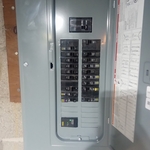
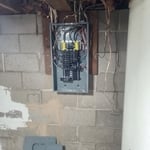
Completed Panel
In progress wiring
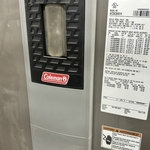
Furnace
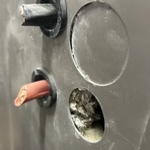
Furnace Wires Chewed
Response time5 hrs
Generator Install questions, answered by experts

In some situations, yes. Never try to put biofuel into any home generator without checking the specifics first. If a generator has the ability to run on diesel, it can also run pure biofuel (the clear kind made from seed oils, for example). But if you are using biofuel made from animal fats or vegetable oils, the generator will need significant modifications before it can handle a sludgier type of biofuel.

Sizing a generator is a careful process that requires calculating the electrical load of your entire house. You have to take into account every device you want to use and their wattage requirements, plus the wattage needed to start them, and look for a generator that can safely run all that at around 80% capacity.

In more practical terms, a small home can run on a 10,000-watt generator (and if you only want to power a few key appliances, much less than that). A mid-sized home may need something between 15,000 and 22,000 watts. Larger homes require 25,000 watts or more. 

Natural gas generators are designed to run for extended periods of time, such as power outages during a natural disaster. Since there’s no limit to the supply of natural gas, they don’t need to stop for refills. However, generators do need maintenance, including pauses to check and add oil. Constantly running them will also cause a lot more wear and tear, leading to a shorter lifespan.

Generally, you’ll want to keep between 60 and 70 feet between the generator and the transfer switch. There are a few reasons for this, including:

  • The distance reduces the noise coming from the generator into your home.

  • It increases efficiency because you won’t have a voltage drop from this short of a distance.

  • Prevents carbon monoxide poisoning: keep at least 15 feet between your generator and an open window. 

An undersized whole-house generator has the potential to overheat and shut down when you try to run a central AC system. This scenario can not only damage the whole-house generator, but can also trip your home’s breakers or cause electrical damage. To avoid this situation, hire a local generator installer to correctly size your whole-house generator.

The Appleton, MN homeowners’ guide to generator installs

From average costs to expert advice, get all the answers you need to get your job done.