





Top-rated generator install pros.

Get matched with top generator install pros in Granite Falls, MN

Enter your zip and get matched with up to 5 pros

Need a pro for your generator install project in Granite Falls, MN?

Select your specific project to find the pro for you.

Find Generator install pros in Granite Falls

Mitlyng Electric & Refrigeration
3.0(
2
)
Fixed Generator - InstallFixed Generator - RepairGenerator - Install - For Business+1 more

Serving Granite Falls, MN and surrounding areas

In business since 1984

Free estimates

Emergency services offered

"I had two sets of LED lights that were working, but not to their full power. Cameron came over, tested the wattage, tested everything that he could, and basically explain that I needed new fixtures. In that same period of time, he also checked on another fixture upstairs that we wanted replaced, but were unsure of how long it would take or what the cost would be. He was extremely kind in explaining all of his work and that the consult for this visit would be included in the billing of the next visit as he unable to resolve the problem in the first trip. The next time Cameron came, it took him hardly anytime to get all three fixtures put in. I am extremely impressed with his efficiency, communication, and attention to detail in his work. He is a meticulous and mindful person, and is very skilled in his craft. I will definitely be recommending this electrical company to friends and family, as I feel very confident in their work."
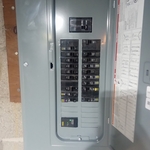
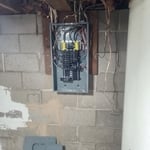
Completed Panel
In progress wiring
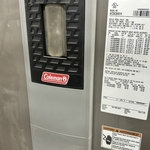
Furnace
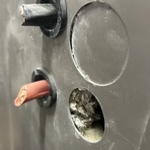
Furnace Wires Chewed
Response time5 hrs
Generator Install questions, answered by experts

Here’s what you can run with different wattages and types of generators:

Portable generator:

  • 2,000 watts can handle a large appliance like a freezer or refrigerator, plus a few smaller items like phones or computer chargers. 

  • 4,000 watts will keep two large appliances operating and a few smaller devices.

  • 8,000 watts should power most essential appliances and other devices, including a sump pump, well pump, or your dishwasher.

Partial to whole-house generator:

  • 20,000 watts and above will make it seem like your home’s power is still on.

In most municipalities, you will need a permit to install a permanent home generator, including emergency backup, partial-home, and whole-home generators. A permit for a generator usually costs between $50 and $250, depending on where you live. Your electrician or certified generator installer will usually pull the permit for you—and might be required to do so by your building department—but you’ll be on the hook for the cost of the permit. You should ask your installer before agreeing to any work if they will pull the necessary permits for your project.

Energy output depends on turbine size, average wind speed at your site, and system efficiency. A 5 kW turbine in a good wind location can generate 8,000 to 12,000 kilowatt-hours per year, which may cover a large portion of an average home’s needs. Accurate output estimates require a professional wind assessment and a review of your household’s energy usage patterns.

It’s usually better to repair your generator if it isn’t working properly, as it will typically be much more affordable and should yield similar results. Generator repairs cost around $300 on average, while installing a new whole-house generator costs around $5,000 on average. The only exception is if you know your generator is reaching the end of its useful life, usually between 30 and 40 years. If you have an older generator, you could face multiple repairs in the coming years, which might mean that a full replacement will be more cost-effective over time.

To determine the right size generator for your house, you should calculate the total wattage of the appliances and devices you want to power during an outage. List all essential items, note their start-up wattages, and add them together.

Here are some typical wattage requirements for common appliances:

  • Refrigerator: 600 watts

  • Large dehumidifier: 700 watts

  • Large window air conditioner: 1,400 watts

  • Water heater: 3,000 to 4,500 watts

  • Electric furnace: 5,000 to 25,000 watts

A 7,500-watt generator might be sufficient for essentials like a refrigerator, freezer, well pump, and lighting circuits. However, for high-demand items like a water heater or furnace, a whole-home generator is a better choice. A portable generator may be enough if you only need to power a few critical items.

While home square footage can offer a rough estimate, it is not always a reliable indicator. For reference, here are some typical generator sizes based on square footage:

  • 1,000 sq ft: 6–9 kW

  • 1,500 sq ft: 7–10 kW

  • 2,000 sq ft: 10–14 kW

  • 2,500 sq ft: 12–16 kW

  • 3,000 sq ft: 16–20 kW+

For the most accurate sizing, consult a professional who can calculate your home's peak and average power consumption and recommend the optimal generator.

The Granite Falls, MN homeowners’ guide to generator installs

From average costs to expert advice, get all the answers you need to get your job done.