




Top-rated generator install pros.

Get matched with top generator install pros in Madison, MN

Enter your zip and get matched with up to 5 pros

Need a pro for your generator install project in Madison, MN?

Select your specific project to find the pro for you.

Find Generator install pros in Madison

Mitlyng Electric & Refrigeration
1.0(
1
)

Serving Madison, MN and surrounding areas

In business since 1984

Free estimates

Emergency services offered

Mitlyng Electric, HVAC & Refrigeration was founded in 1984 in Montevideo, MN, where we continue to reside. We primarily serve customers in West Central Minnesota, but have worked with clients as far away as Texas. We serve both individuals and commercial entities of any size. No job is too big or small! At Mitlyng, your satisfaction is our top concern. Our roots in small town Minnesota bring with them friendliness and respect that we integrate into every interaction. Whatever your problem or concern may be, we hope to address it in a professional, respectful, and cost-effective manner. Mitlyng Electric, HVAC & Refrigeration provides a combination of customer service and quality products to make any business or homeowner comfortable and confident with their electric, heating, and cooling systems.

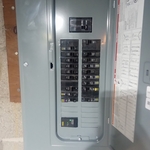
Completed Panel
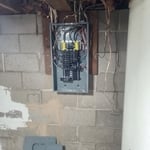
In progress wiring
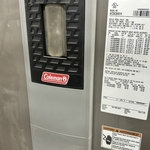
Furnace
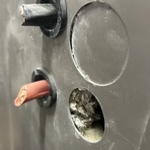
Furnace Wires Chewed
Response time5 hrs
Generator Install questions, answered by experts

Generators are usually sized by running watts and starting watts. Ideally, you’ll want a generator that can offer both the necessary running watts and starting watts for everything you need to power without going beyond 90% of its capacity. Calculate your home’s electrical load based on the breakers in your home or adding up the appliance and lighting needs of connected rooms.

To determine the right size generator for your house, you should calculate the total wattage of the appliances and devices you want to power during an outage. List all essential items, note their start-up wattages, and add them together.

Here are some typical wattage requirements for common appliances:

  • Refrigerator: 600 watts

  • Large dehumidifier: 700 watts

  • Large window air conditioner: 1,400 watts

  • Water heater: 3,000 to 4,500 watts

  • Electric furnace: 5,000 to 25,000 watts

A 7,500-watt generator might be sufficient for essentials like a refrigerator, freezer, well pump, and lighting circuits. However, for high-demand items like a water heater or furnace, a whole-home generator is a better choice. A portable generator may be enough if you only need to power a few critical items.

While home square footage can offer a rough estimate, it is not always a reliable indicator. For reference, here are some typical generator sizes based on square footage:

  • 1,000 sq ft: 6–9 kW

  • 1,500 sq ft: 7–10 kW

  • 2,000 sq ft: 10–14 kW

  • 2,500 sq ft: 12–16 kW

  • 3,000 sq ft: 16–20 kW+

For the most accurate sizing, consult a professional who can calculate your home's peak and average power consumption and recommend the optimal generator.

Here’s what you can run with different wattages and types of generators:

Portable generator:

  • 2,000 watts can handle a large appliance like a freezer or refrigerator, plus a few smaller items like phones or computer chargers. 

  • 4,000 watts will keep two large appliances operating and a few smaller devices.

  • 8,000 watts should power most essential appliances and other devices, including a sump pump, well pump, or your dishwasher.

Partial to whole-house generator:

  • 20,000 watts and above will make it seem like your home’s power is still on.

If you’re wondering whether gas generators produce carbon monoxide, know that natural gas generators do not produce carbon monoxide if they are functioning properly, as natural gas burns cleanly. However, if the generator malfunctions and the gas does not burn completely, there is potential for carbon dioxide to be produced. To prevent malfunctions, it's crucial to perform regular maintenance, including running the generator weekly and scheduling professional inspections every 6 to 12 months. Also, be sure to test your carbon monoxide detectors regularly to ensure they function in the rare case of the generator producing carbon monoxide.

With proper maintenance, a whole-house generator can last between 20 and 40 years. The specific lifespan depends on how often and for how long the generator is used, and some models may have their life expectancy rated in hours of operation. To maximize its lifespan, expect to spend around $150 to $300 per year for annual maintenance checks from a qualified technician. During these checks, a technician will inspect the engine filter, starting mechanism, fuel, lubrication, and coolant levels. Consulting your installer and choosing a low-impact fuel like natural gas or diesel can also help ensure your generator lasts as long as possible.

The Madison, MN homeowners’ guide to generator installs

From average costs to expert advice, get all the answers you need to get your job done.