Top-rated generator install pros.

Best generator install pros near Renville, MN

Enter your zip and get matched with up to 5 pros

Need a pro for your generator install project in Renville, MN?

Select your specific project to find the pro for you.

Top-Rated Generator install pros in Renville - Updated Nov 2026

Mitlyng Electric & Refrigeration
3.0(
2
)
Fixed Generator - InstallFixed Generator - RepairGenerator - Install - For Business+1 more

Serving Renville, MN and surrounding areas

In business since 1984

Free estimates

Emergency services offered

"I had two sets of LED lights that were working, but not to their full power. Cameron came over, tested the wattage, tested everything that he could, and basically explain that I needed new fixtures. In that same period of time, he also checked on another fixture upstairs that we wanted replaced, but were unsure of how long it would take or what the cost would be. He was extremely kind in explaining all of his work and that the consult for this visit would be included in the billing of the next visit as he unable to resolve the problem in the first trip. The next time Cameron came, it took him hardly anytime to get all three fixtures put in. I am extremely impressed with his efficiency, communication, and attention to detail in his work. He is a meticulous and mindful person, and is very skilled in his craft. I will definitely be recommending this electrical company to friends and family, as I feel very confident in their work."
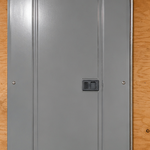
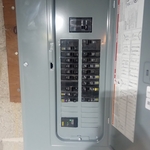
Completed Panel
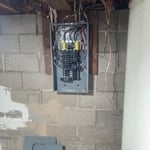
In progress wiring
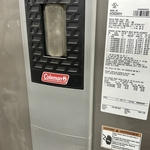
Furnace
Furnace Wires Chewed
Response time5 hrs
Generator Install FAQs, answered by experts

Yes, installing a generator usually increases your property value because buyers are getting the added peace of mind knowing they’ll be able to maintain power through blackouts. In most cases, you should see close to a 100% return on investment (ROI). Keep in mind that home generators usually need a permanent foundation, and installing a concrete slab will likely raise your property taxes slightly.

You can expect a diesel generator to last for up to 30,000 hours of use, which works out to 20 to 25 years with the proper maintenance, of course. That depends on how much you use it, so a diesel generator used for emergencies a couple of times a year will last a lot longer than a generator that takes over for a faulty electrical grid every month for a day or two. 

In some situations, yes. Never try to put biofuel into any home generator without checking the specifics first. If a generator has the ability to run on diesel, it can also run pure biofuel (the clear kind made from seed oils, for example). But if you are using biofuel made from animal fats or vegetable oils, the generator will need significant modifications before it can handle a sludgier type of biofuel.

Most homeowners won't be able to claim a home generator as a tax write-off. However, a whole-house generator may be tax-deductible in certain situations depending on its purpose. For instance, if it's needed to power essential medical equipment, it may qualify as a medical expense deduction. Also, in some cases, businesses can deduct a generator as a business expense if it supports operations. Always consult a tax professional to determine eligibility based on your specific circumstances and the applicable IRS regulations.

To determine the right size generator for your house, you should calculate the total wattage of the appliances and devices you want to power during an outage. List all essential items, note their start-up wattages, and add them together.

Here are some typical wattage requirements for common appliances:

  • Refrigerator: 600 watts

  • Large dehumidifier: 700 watts

  • Large window air conditioner: 1,400 watts

  • Water heater: 3,000 to 4,500 watts

  • Electric furnace: 5,000 to 25,000 watts

A 7,500-watt generator might be sufficient for essentials like a refrigerator, freezer, well pump, and lighting circuits. However, for high-demand items like a water heater or furnace, a whole-home generator is a better choice. A portable generator may be enough if you only need to power a few critical items.

While home square footage can offer a rough estimate, it is not always a reliable indicator. For reference, here are some typical generator sizes based on square footage:

  • 1,000 sq ft: 6–9 kW

  • 1,500 sq ft: 7–10 kW

  • 2,000 sq ft: 10–14 kW

  • 2,500 sq ft: 12–16 kW

  • 3,000 sq ft: 16–20 kW+

For the most accurate sizing, consult a professional who can calculate your home's peak and average power consumption and recommend the optimal generator.


The Renville, MN homeowners’ guide to generator installs

From average costs to expert advice, get all the answers you need to get your job done.