


Top-rated generator install pros.

Get matched with top generator install pros in Benson, MN

Enter your zip and get matched with up to 5 pros

Need a pro for your generator install project in Benson, MN?

Select your specific project to find the pro for you.

Find Generator install pros in Benson

Mitlyng Electric & Refrigeration
1.0(
1
)

Serving Benson, MN and surrounding areas

In business since 1984

Free estimates

Emergency services offered

Mitlyng Electric, HVAC & Refrigeration was founded in 1984 in Montevideo, MN, where we continue to reside. We primarily serve customers in West Central Minnesota, but have worked with clients as far away as Texas. We serve both individuals and commercial entities of any size. No job is too big or small! At Mitlyng, your satisfaction is our top concern. Our roots in small town Minnesota bring with them friendliness and respect that we integrate into every interaction. Whatever your problem or concern may be, we hope to address it in a professional, respectful, and cost-effective manner. Mitlyng Electric, HVAC & Refrigeration provides a combination of customer service and quality products to make any business or homeowner comfortable and confident with their electric, heating, and cooling systems.

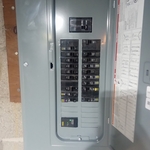
Completed Panel
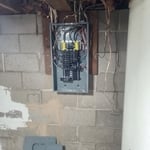
In progress wiring
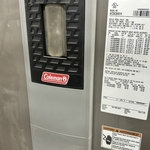
Furnace
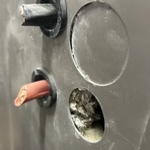
Furnace Wires Chewed
Response time5 hrs
Generator Install questions, answered by experts

The cost to install a whole-house generator averages $5,200, with a typical price range of $1,500 to $8,900. However, total costs can vary from $400 for a small portable unit to over $18,000 for a large-capacity system. The most significant cost factor is the generator's size and capacity, but other variables include the brand, fuel type, and labor for assembly and installation.

Generator costs can be broken down by type:

  • Portable or Emergency Backup Generators (1kW–7.5kW): $500 to $2,000

  • Partial-Home Generators (9kW–20kW): $2,000 to $6,500

  • Whole-House Generators (22kW–48kW): $5,000 to $18,000

To avoid paying for more power than you need, consider hiring an electrician to calculate the electrical load for your essential appliances. It is also recommended to get at least three quotes to find the best deal for your specific needs and budget.

Generators run on a variety of fuel types, ranging from natural gas to solar power. Keep in mind that fuel costs varying by type:

  • Natural gas: $2,000–$21,000 per year 

  • Liquid propane: $2,000–$21,000 per year

  • Diesel: $3,000–$20,000 per year

  • Gasoline: $500–$3,000 per year

  • Solar generator: $2,000–$25,000 per unit

  • Battery backup: $10,000–$25,000 per unit

Generators are safe to use as long as they are installed and operated correctly according to the manufacturer's recommendations. The most critical safety tips are to never use a portable or fuel-powered generator inside an enclosed space due to the risk of lethal carbon monoxide poisoning; always operate it outdoors where fumes can dissipate away from your home. Additionally, never attempt to connect a generator to your home’s electrical panel yourself—hire a professional to ensure the setup meets safety standards. Finally, avoid overloading the generator by not connecting more appliances than it is rated for, as this can damage your equipment or cause a fire.

The amount of time a standby generator can run continuously is around 3,000 hours on average. However, standby generators can generally run indefinitely as long as they have a continuous fuel supply. Generators hooked up to a home’s natural gas supply are the best option for extended usage, as these won’t rely on a finite fuel supply based on how much you have in storage. Generators running on liquid propane or diesel won’t last as long, as these require fuel storage and regular refueling to stay running.

As a safety measure, you should always turn off the main breaker while operating your generator’s backup breaker. In addition, you should also switch off all appliance breakers so you don't have a power surge when the main breaker turns back on. And finally, turning off the main breaker prevents back-feeding, which endangers utility workers with the risk of electrocution. Back-feeding could also destroy the electrical circuits of your neighbors if they use the same power network.

The Benson, MN homeowners’ guide to generator installs

From average costs to expert advice, get all the answers you need to get your job done.