




Top-rated generator install pros.

Get matched with top generator install pros in Dawson, MN

Enter your zip and get matched with up to 5 pros

Need a pro for your generator install project in Dawson, MN?

Select your specific project to find the pro for you.

Find Generator install pros in Dawson

Mitlyng Electric & Refrigeration
1.0(
1
)
Fixed Generator - InstallFixed Generator - RepairGenerator - Install - For Business+1 more

Serving Dawson, MN and surrounding areas

In business since 1984

Free estimates

Emergency services offered

Mitlyng Electric, HVAC & Refrigeration was founded in 1984 in Montevideo, MN, where we continue to reside. We primarily serve customers in West Central Minnesota, but have worked with clients as far away as Texas. We serve both individuals and commercial entities of any size. No job is too big or small! At Mitlyng, your satisfaction is our top concern. Our roots in small town Minnesota bring with them friendliness and respect that we integrate into every interaction. Whatever your problem or concern may be, we hope to address it in a professional, respectful, and cost-effective manner. Mitlyng Electric, HVAC & Refrigeration provides a combination of customer service and quality products to make any business or homeowner comfortable and confident with their electric, heating, and cooling systems.

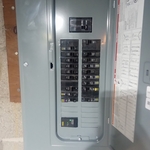
Completed Panel
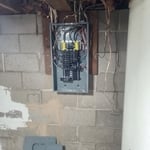
In progress wiring
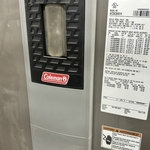
Furnace
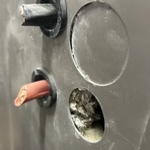
Furnace Wires Chewed
Response time5 hrs
Generator Install questions, answered by experts

To determine the right size generator for your house, you should calculate the total wattage of the appliances and devices you want to power during an outage. List all essential items, note their start-up wattages, and add them together.

Here are some typical wattage requirements for common appliances:

  • Refrigerator: 600 watts

  • Large dehumidifier: 700 watts

  • Large window air conditioner: 1,400 watts

  • Water heater: 3,000 to 4,500 watts

  • Electric furnace: 5,000 to 25,000 watts

A 7,500-watt generator might be sufficient for essentials like a refrigerator, freezer, well pump, and lighting circuits. However, for high-demand items like a water heater or furnace, a whole-home generator is a better choice. A portable generator may be enough if you only need to power a few critical items.

While home square footage can offer a rough estimate, it is not always a reliable indicator. For reference, here are some typical generator sizes based on square footage:

  • 1,000 sq ft: 6–9 kW

  • 1,500 sq ft: 7–10 kW

  • 2,000 sq ft: 10–14 kW

  • 2,500 sq ft: 12–16 kW

  • 3,000 sq ft: 16–20 kW+

For the most accurate sizing, consult a professional who can calculate your home's peak and average power consumption and recommend the optimal generator.

The average cost to install a home generator is $5,200, but total costs can range from $500 to $18,000 or more. The final price depends on several factors, including the generator's size, type, brand, fuel source, and the cost of labor and assembly. The generator's size is the most significant cost factor, as units that can power larger homes with higher energy demands cost more.

Cost breakdowns by generator type are typically as follows:

  • Portable or Emergency Backup Generators (1kW–7.5kW): $500–$2,000

  • Partial-Home Generators (9kW–20kW): $2,000–$6,500

  • Whole-House Generators (22kW–48kW): $5,000–$18,000

To ensure you get the right size unit for your needs without overpaying, consider hiring an electrician to calculate the electrical load of your essential appliances. It is also recommended to get at least three quotes from qualified installers to find the best fit for your budget.

You may need a permit for a portable generator if you’ll be installing a transfer switch for your primary residence or similar work. Otherwise, a permit for other uses may not be necessary. Check your local building codes or ask a local generator installer for more information about your local regulations.

The amount of time a standby generator can run continuously is around 3,000 hours on average. However, standby generators can generally run indefinitely as long as they have a continuous fuel supply. Generators hooked up to a home’s natural gas supply are the best option for extended usage, as these won’t rely on a finite fuel supply based on how much you have in storage. Generators running on liquid propane or diesel won’t last as long, as these require fuel storage and regular refueling to stay running.

To reduce AC startup power for a whole-house generator, install a soft start kit or hard start capacitor, which lowers the initial surge by gradually ramping up the compressor. Using a smart load manager can also help by staggering startup loads, preventing a system overload and future costly repairs.

The Dawson, MN homeowners’ guide to generator installs

From average costs to expert advice, get all the answers you need to get your job done.