To get utilities set up on a property, you first have to contact the local department of planning to determine whether your property is able to connect to public utilities. From there, you can work with a structural engineer and/or a building contractor to design the layout of utility lines on the property. The pros will need this information as they begin securing building permits before they can start adding lines.
If your property isn’t able to connect to public utilities, you’ll need to consider working with pros to develop a comfortable off-grid home that will meet your needs.
It’s not a good idea to oversize your water softener. Doing so will mean the tank doesn’t get full, which can lead to channeling. This leads to a large portion of the resin beads not being utilized and the beads at the bottom of the tank being overused. Over time, this will reduce the efficiency of your system, not to mention that the upfront cost of an oversized softener is unnecessarily high. If you have a timed regeneration cycle rather than a demand-based one, you’ll also spend far more on replacing salt than you need to.
You can decide whether you need a water softener or water filter based on how your bathing or laundry experience is. If you notice issues like limescale buildup, dry skin, or stains on dishes—all telltale signs of hard water—you'd likely benefit from a water softener. However, if your main concern is over chemicals or bacteria in your tap water filter, and not just comfort, a filter is a better option.
The average cost to install a water softener, including the system and labor, is approximately $1,500. However, the total price can range widely from $600 to $6,000. For some complete systems, the cost may be between $800 and $2,500. Labor for the installation typically costs between $150 and $1,000.
The final price is influenced by several factors, including:
System type, capacity, and complexity
Home size and household water demands
Water hardness levels
Accessibility of the installation site and the extent of plumbing work required
Whether new electrical work is needed
The professional hired and any local permit costs
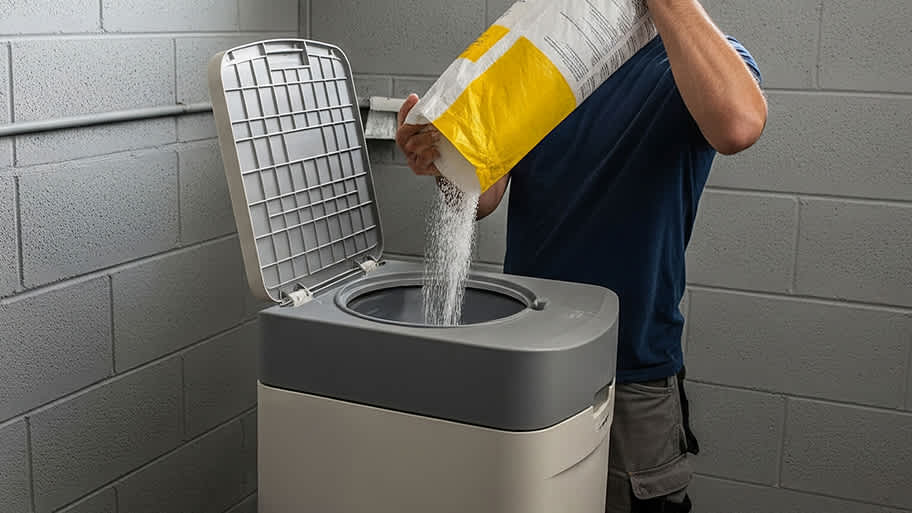
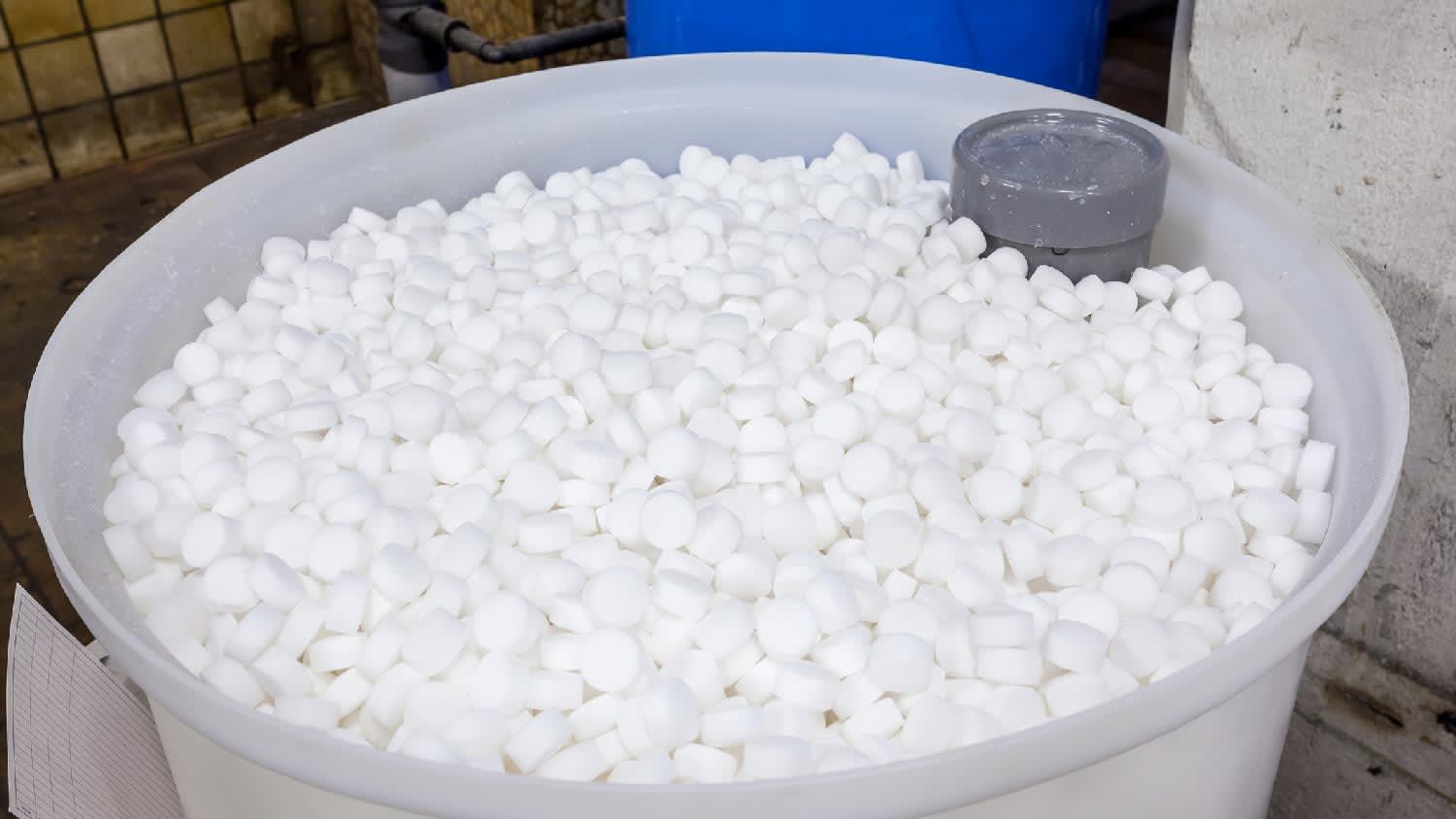
You can install a water softener system by turning off the water supply, draining the water, and then connecting your device to the waterline. Next, you’ll fill your tank with the recommended amount of salt or brine (whichever your unit calls for; be sure to read the instructions). Turn the water supply on and check for leaks. You can opt to let your water run for a few minutes, then test it using strips.
Water softener repair costs can add up, but they’re almost always worthwhile. Use this guide to see what your project is going to cost before you get started.
There are four common softener alternatives available on the market today. We compare and contrast each one to help you find your best-fit solution in this blog.
Who repairs water softeners? You should be able to hire water softener repair and installation companies or plumbers to fix issues with these appliances.
Water softeners last up to 25 years, but maintenance, usage, and other factors can affect the life span. Learn more about how long water softeners last.