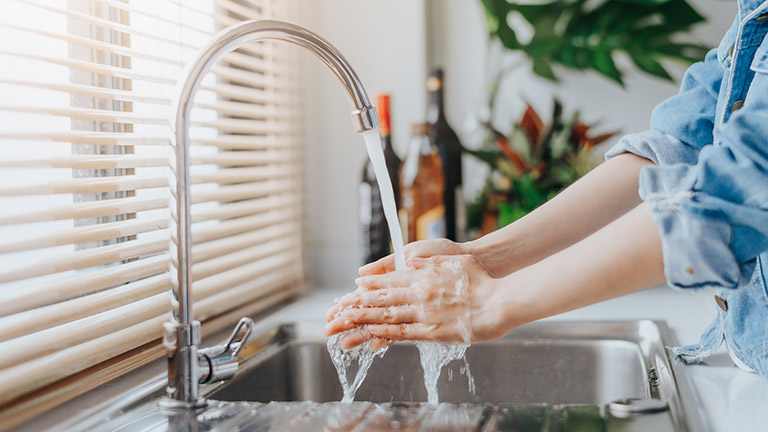
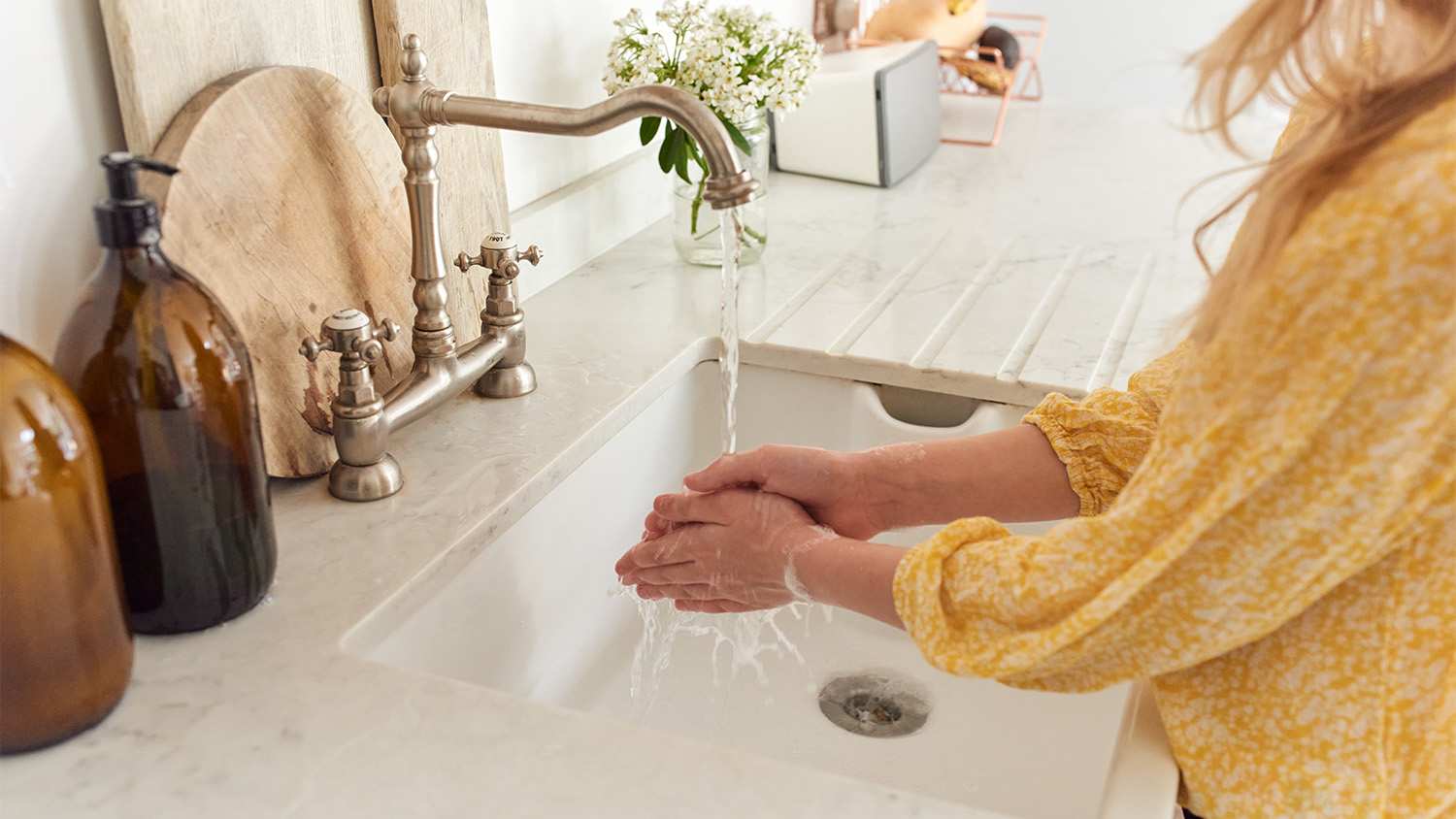
Hard water doesn’t hurt, but it might feel more abrasive, especially if you have sensitive skin. It’s also about how your skin feels after bathing. You might feel as though you have a sticky film over your body because you do—it’s all that soapy residue left behind because the hard water can’t rinse it off completely.
Water purifiers and water softeners serve different purposes, so the best one will depend on your particular needs. Water purifiers remove contaminants from water (such as bacteria, viruses, and chemicals), leaving you with ultra-clean and safe water. However, water softeners remove minerals from your water so that the water doesn’t leave stains around your house or cause plumbing problems.
Routine maintenance involves recharging the resin bed with salt or potassium, cleaning components, and periodic inspection.
If your water softener repair is fairly straightforward, like a simple filter replacement, then you can probably do it yourself with little risk. However, anything beyond a simple fix should be addressed by someone with extensive plumbing expertise to avoid costly water softener problems, like leaks.
That said, even simple problems can be complicated to diagnose, particularly if your water softener is attached to a whole-house treatment system. So, unless you feel absolutely certain that the problem is an easy fix that you can take on yourself, it's probably best to hire a plumber to diagnose and fix the problem.
A water softener removes minerals from your drinking water and can make your house water softer. These softeners are designed to extend the lifetime of your plumbing system while also making water safer and more palatable for drinking. Hard water, which is water with a heavy amount of suspended particles, can also cause hair damage, skin irritation, and buildup in your pipes.
The Wheaton, MN homeowners’ guide to water softener services
From average costs to expert advice, get all the answers you need to get your job done.
Water softeners work to remove unwanted minerals from hard water through a filtration and recharge cycle. Keep reading to learn how a water softener works.
There are four common softener alternatives available on the market today. We compare and contrast each one to help you find your best-fit solution in this blog.
Water softeners rid your home of hard minerals and, well, soften your water. Even better, the regeneration process is an automatic cycle that works when you’re least likely to use it.
Water softeners remove hard minerals from your tap water, improving plumbing systems and water-using appliances. Here are the most efficient water softeners out there.