



Top-rated water softener pros.

Get matched with top water softener pros in Brandon, MN

Enter your zip and get matched with up to 5 pros

Need a pro for your water softener service project in Brandon, MN?

Select your specific project to find the pro for you.

TRUSTED BY BRANDON, MN HOMEOWNERS

  • Average homeowner rating star icon5
    Average homeowner rating
  • Verified reviews icon10
    Verified water softener services reviews

Find Water softener pros in Brandon

Avatar for Koegel Plumbing & Heating Solutions, LLC
Koegel Plumbing & Heating Solutions, LLC
4.9(
28
)
Water Treatment & Purification System - Install or ReplaceWater Treatment & Purification System - Repair or Service

Serving Brandon, MN and surrounding areas

Approved

In business since 2012

Free estimates

Emergency services offered

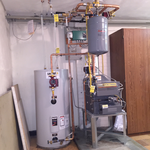
"Great! Kurt Koegel made an initial visit to evaluate the setting. We were deciding between a regular water heater and a tankless one. Kurt was professional and straightforward with pros and cons. We based our decision on the information he provided and believe we made the best decision for our situation. The removal of the old water heater and installation of the new one was flawless. We had excellent communication with the company through the entire process. We highly recommend Koegel Plumbing."
Additional Photos
Additional Photos
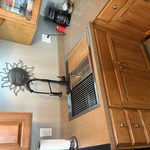
Kitchen Sink
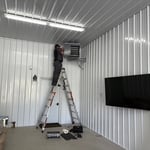
Garage Heater
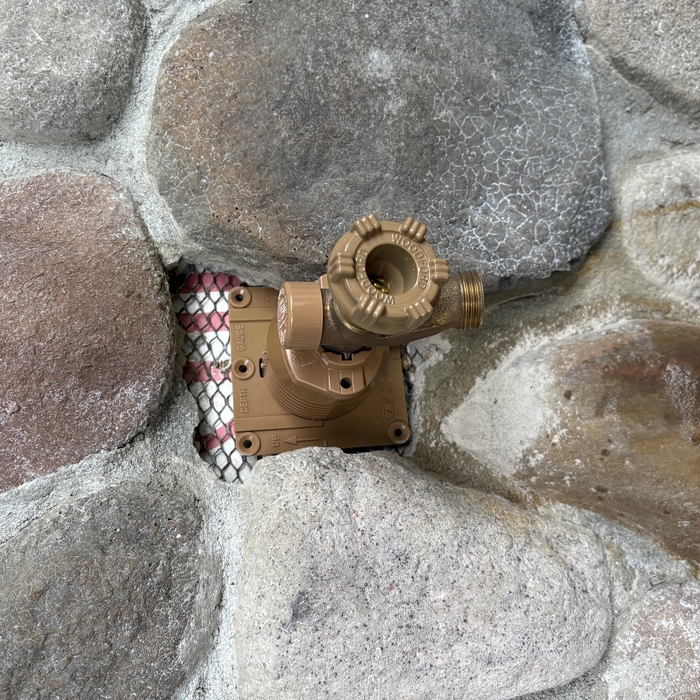
Hose Faucet Install

+2

Response time7 hrs
Response rate100%
Recommended by96%of homeowners
Water Softeners questions, answered by experts

A good hardness level for drinking water can vary based on personal preferences, but an ideal level is 3.5 to 7 GPG. This means your water isn’t soft or hard. However, some people prefer the “fresh” taste from the minerals in hard water, while others like the smoother, “slippery” texture of soft water.

A water softener is a worthwhile investment if you live in an area with hard water. While hard water is safe to drink, it contains minerals like calcium and magnesium that can cause significant problems over time. These minerals build up inside pipes, reducing water flow and eventually corroding the plumbing system, which can lead to leaks and a shortened lifespan. Hard water also damages fixtures and appliances, potentially resulting in costly repairs. Additionally, it makes soaps and detergents less effective, meaning you'll use more product to get things clean. By installing a water softener, you can prevent these issues. The initial investment is often recouped through long-term savings, including lower energy bills, reduced appliance and plumbing maintenance, and spending less on soap and cleaning supplies. Other benefits include cleaner linens, dishes, and clothing, as well as softer water that is gentler on your skin and hair. In some areas, a water softener can also increase your home's value, making it a valuable long-term investment.

Because it’s been through the water cycle, evaporating and becoming slightly acidic thanks to dissolved carbon dioxide in the atmosphere, rainwater tends to be naturally soft compared to groundwater, which has just been in contact with limestone. However, the natural hardness level of water always depends on where you are and other factors.

Whether you need a permit or license for a water softener installation depends on your location, as requirements vary significantly. Some municipalities require the installer to hold a plumbing license, some mandate a permit and an inspection, and others require both. In some areas, no special permit or license is needed at all.

To determine the rules in your area, you can contact your local building department or consult a local water softener installer or plumber. Often, only certified professionals are authorized to pull the necessary permits, and they will typically handle the entire permitting process for you. Regardless of local laws, it is always recommended to hire a licensed professional to ensure the system is sized and installed correctly. You can use Angi’s state licensing tool to check an installer’s license status.

Yes, a water softener can remove scale deposits. According to the U.S. Department of Energy, after you add a water softener to your home, “gradually the softer water will dissolve limescale scale deposits and remove the problem entirely.” Installing a water softener—or water descaler—will also help prevent new scale deposits from forming.

The Brandon, MN homeowners’ guide to water softener services

From average costs to expert advice, get all the answers you need to get your job done.