






Top-rated excavation pros.

Best excavation pros near Trenton, MI

Enter your zip and get matched with up to 5 pros

Need a pro for your excavation project in Trenton, MI?

Select your specific project to find the pro for you.

TRUSTED BY TRENTON, MI HOMEOWNERS

  • Average homeowner rating star icon4.7
    Average homeowner rating
  • Verified reviews icon29
    Verified excavation services reviews

Top-Rated Excavation pros in Trenton - Updated Nov 2026

Avatar for 5D LANDSCAPES AND CLEANUP LLC
5D LANDSCAPES AND CLEANUP LLC
5.0(
25
)
Landscape - Minor Grading or Resloping

Serving Trenton, MI and surrounding areas

Approved

Super Service Award Winner

In business since 2024

Free estimates

Customers say: True professional

"A reliable good guy with a dump trailer that leveled and laid down new gravel on 275 foot driveway, yanked out 3-4 inch trees root and all and laid down stone so my garden didn't flood this spring. I also saw him taking multiple trailer loads of junk from neighbors house. ð ³"
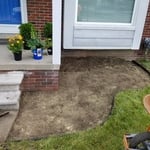
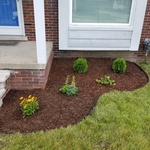
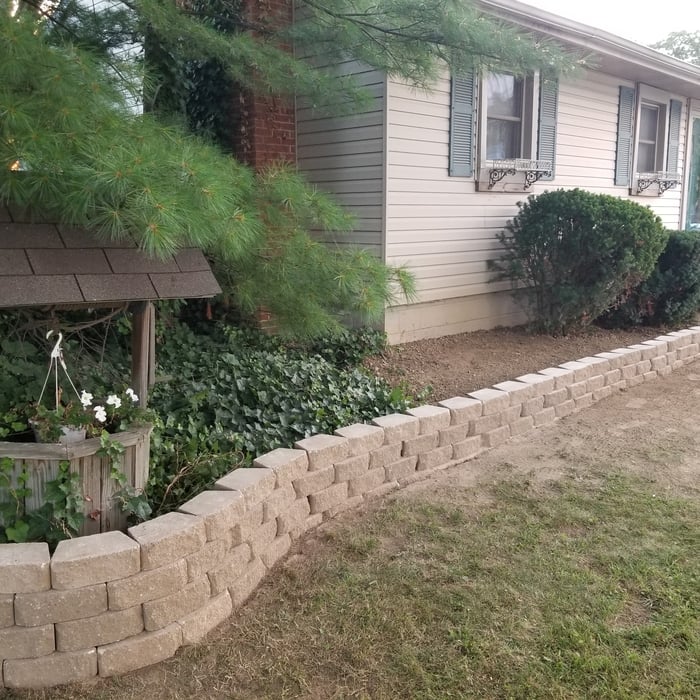
On the job
On the job
On the job
On the job
On the job

+2

Response time9 hrs
Response rate94%
4 neighbors recently requested a quote

RPM Excavation, LLC
4.2(
156
)
Landscape - Minor Grading or ReslopingExcavation - Major Grading or Resloping - For Business

Serving Trenton, MI and surrounding areas

Approved

Super Service Award Winner

In business since 2017

Free estimates

Small jobs welcome

"Customer service with this company was exceptional, this company goes above and beyond. Was very pleased with their work with their workers and with the owner of the company, I couldn’t have asked for a better company would highly recommend them to anyone who is in need of any excavation work."
Response time12 hrs
Response rate92%
19 neighbors recently requested a quote

...
Showing 1-10 of 153
Excavating FAQs, answered by experts

The average cost for pool excavation is $2,500. This cost can range from $450 to $4,500, depending on the pool shape and size, time of year, and any need to move buried utilities. 

When excavating for your pool, you might have to move existing utilities. You can expect to pay an additional $15 to $25 per linear foot to move gas lines. To move a septic system, it’ll cost an additional $2,000 to $20,000. A pool that is 10 feet by 12 feet averages $450 to excavate, and a 20-foot-by-40-foot pool averages $3,020.

Trenching and boring are two distinct methods for installing underground utilities. Trenching involves digging a channel using equipment like an excavator, trencher, backhoe, or shovel. While it is a simpler process, it causes significant disruption to the surface, landscaping, and surrounding ecosystems.

Boring, also known as directional boring, is a less invasive alternative that uses a drill to create a tunnel for utility lines without disturbing the surface. This method is more precise and is ideal for installations that need to go underneath buildings, roads, or bodies of water. Although boring is less disruptive, it is generally more expensive than trenching.


Landscape edging is more DIYable than trenching. You can DIY your own digging projects, but proceed carefully and only with proper knowledge of the equipment and appropriate safety measures in place. Keep in mind the project's scope and estimate how long it will take you to do it on your own. While you can certainly save money by DIYing home improvement projects, you can’t exactly hide an unfinished—or worse, ruined— landscaping job from the neighbors. It’s always safer to call an excavation pro near you to get an estimate.

Digging a bush up by the roots is the most natural DIY method for removing a bush stump. Start by identifying the shrub type and revealing its roots. Cut the shrub to its base and loosen the soil, ensuring no utility lines are nearby. Optionally, treat the base with herbicide, then dig around the roots and cut a circle around the shrub using various tools. Dig a trench, cut the base of the root ball, and finally fill the hole to prevent regrowth. This thorough process ensures complete removal without damaging surrounding areas.

Yes, chipmunk holes may have two or more entrances. Chipmunks can create an entire network of burrows. Having multiple entrances makes it easier for them when trying to escape from a predator, such as a snake, or if an entrance collapses due to flooding. Each entrance leads to the nesting chamber underground, which is where the chipmunk spends the majority of its time sleeping.

The Trenton, MI homeowners’ guide to excavation services

From average costs to expert advice, get all the answers you need to get your job done.