





Top-rated excavation pros.

Best excavation pros near New Boston, MI

Enter your zip and get matched with up to 5 pros

Need a pro for your excavation project in New Boston, MI?

Select your specific project to find the pro for you.

TRUSTED BY NEW BOSTON, MI HOMEOWNERS

  • Average homeowner rating star icon4.6
    Average homeowner rating
  • Verified reviews icon30
    Verified excavation services reviews

Top-Rated Excavation pros in New Boston - Updated Nov 2026

Avatar for 5D LANDSCAPES AND CLEANUP LLC
5D LANDSCAPES AND CLEANUP LLC
5.0(
25
)
Landscape - Minor Grading or Resloping

Serving New Boston, MI and surrounding areas

Approved

Super Service Award Winner

In business since 2024

Free estimates

Customers say: True professional

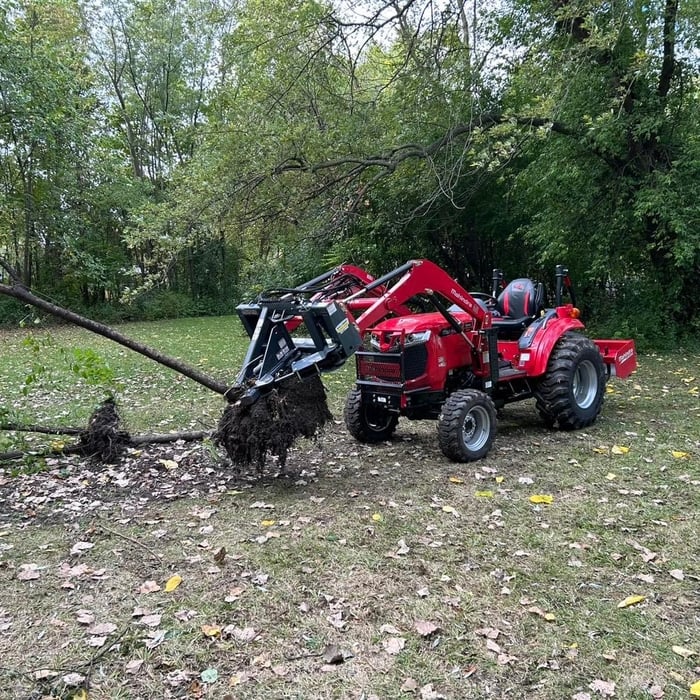
"My neighbor came over and hired them that very evening to pull a small, dying tree from their yard. I think, after they saw the work that they did for us, they were impressed enough to come over and ask to get their job done."
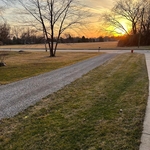
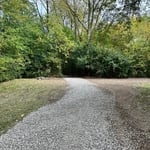
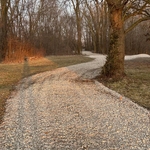
On the job
On the job
On the job
On the job
On the job

+2

Response time9 hrs
Response rate94%
4 neighbors recently requested a quote

RPM Excavation, LLC
4.2(
158
)
Landscape - Minor Grading or ReslopingExcavation - Major Grading or Resloping - For Business

Serving New Boston, MI and surrounding areas

Approved

Super Service Award Winner

In business since 2017

Free estimates

Small jobs welcome

"We had our sewage line collapse back in October and the company that replaced the line tore up our yard pretty hard. We hired RPM Excavation, LLC after getting a couple of quotes. They were not the least expensive but we're easy to work with and even came down to match the other price we had gotten. Matt was fantastic to work with. After they did the main grading, they had ended up leaving pretty big tracks in our yard. We called Matt because we didn't really have time to wait for it to pop back up as we were selling our house. He sent someone out to grade the tracks and we are super pleased with the end result. All around a great experience! Highly reccomend these guys!"
Response time12 hrs
Response rate92%
16 neighbors recently requested a quote

...
Showing 1-10 of 144
Excavating FAQs, answered by experts

Most residential basements are 8 to 10 feet deep. You can dig deeper depending on building codes, but it does become more difficult. You’ll likely need to install stronger foundation walls and additional supports to handle the increased load. Depending on the water table, you may also need a water management system. Clay soil can support a deeper foundation than sandy soil. A structural engineer will be able to tell you the maximum, feasible depth.

The best method for digging a trench depends on the scope of the project. For a short, shallow trench (less than 2 feet deep) in light, soft soil, digging by hand may be sufficient. However, digging by hand is labor-intensive, so consider the effort required. A machine trencher is the better option for longer trenches (over 100 feet), deeper ones, or when dealing with difficult soil conditions, such as rocky or hard ground, or obstructions like tree roots. A machine can save significant time and energy in these situations.

You do not have to dig footers for a deck as long as it meets local code and holds up to weather in your area. If you live somewhere that experiences high winds and earthquakes, you may need to dig for your deck posts. Deck blocks, post anchors with base plates, and helical pile systems are the three no-dig deck post options you can choose from if local code permits.

Whether you grind or dig up and remove your tree stump depends on your landscaping goals. Using a stump grinder leaves the root system in place for it to decompose over time, whereas digging up the tree stump removes the roots and the stump. Overall, stump grinding is a far simpler process since you won’t need to deal with the roots. Stump removal will make your yard look like a demolition site, but you’ll have an easier time replanting in the same place as your former tree.

Trenching and boring are two distinct methods for installing underground utilities. Trenching involves digging a channel using equipment like an excavator, trencher, backhoe, or shovel. While it is a simpler process, it causes significant disruption to the surface, landscaping, and surrounding ecosystems.

Boring, also known as directional boring, is a less invasive alternative that uses a drill to create a tunnel for utility lines without disturbing the surface. This method is more precise and is ideal for installations that need to go underneath buildings, roads, or bodies of water. Although boring is less disruptive, it is generally more expensive than trenching.

The New Boston, MI homeowners’ guide to excavation services

From average costs to expert advice, get all the answers you need to get your job done.