




Top-rated excavation pros.

Get matched with top excavation pros in River Rouge, MI

Enter your zip and get matched with up to 5 pros

Need a pro for your excavation project in River Rouge, MI?

Select your specific project to find the pro for you.

Find Excavation pros in River Rouge

Avatar for Pelkey Services
Pelkey Services
5.0(
20
)

Serving River Rouge, MI and surrounding areas

Approved

In business since 2008

Free estimates

Emergency services offered

"Very knowledgeable and he replaced my spigot and outside water shutoff valve for a very reasonable price. Als gave me information on hydro jetting my main drain for roots in the fall."
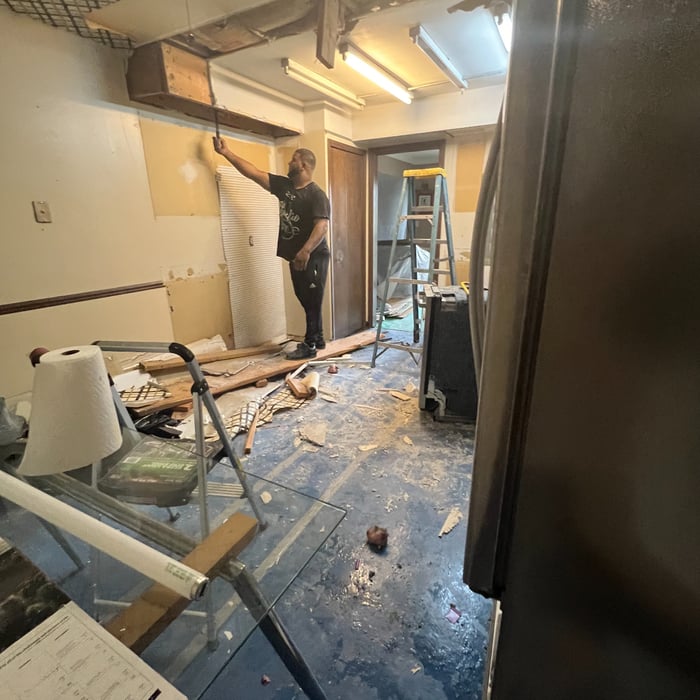
Additional Photos
Additional Photos
Additional Photos
Additional Photos
Additional Photos

+6

1 neighbors recently requested a quote
Recommended by35%of homeowners
Avatar for Ready Dig Excavation
Ready Dig Excavation
3.7(
35
)

Serving River Rouge, MI and surrounding areas

Approved

In business since 2012

Free estimates

Emergency services offered

"I had a HUGE job that required not only excavation but putting everything back and grading everything the way it should have been. I have worked with enough contractors in my lifetime to know that a job rarely gets done without a couple of issues coming up here and there. I expect that. The most important thing is how the company responds to those issues and how they handle them. I was blown away with not only how well the owner responded but the compassionate attitude he AND his crew showed throughout the process. Now THAT is the true difference between a good company and a great company!"
Sewer inatall
Triming catch basin to grade
Response time3 days
40 neighbors recently requested a quote
Recommended by85%of homeowners
Dwight Bennett
New to Angi

Serving River Rouge, MI and surrounding areas

Approved

Free estimates

Small jobs welcome

Hi, I'm Dwight! I'm a hardworking handyman and new business owner who believes in doing quality work at honest prices. I take pride in being dependable, paying attention to the little details, and making sure every customer is happy with the finished job. If you're looking for someone who will work hard, treat your home with respect, and offer great value, I'd be happy to help with your next project.

...
Showing 1-10 of 157
Excavating questions, answered by experts

Slab foundations are more affordable than crawl spaces because they require minimal excavation, as the slab sits directly on the ground or on footers that only sink a few feet into the ground. Crawl spaces require excavation of the entire footprint of the home to several feet below the surface. Not only does that mean higher labor costs, but more materials are necessary for the concrete foundation walls.

In most areas, you will need a permit for excavation work, even for projects that only involve grading or yard leveling. Permit requirements depend on your local government and the scope of the project, but they are especially common for significant digging or work that could affect utilities or public property. These permits help protect the local topography and prevent drainage issues. An experienced excavation company will typically know whether permits are needed and can often handle the process of pulling and closing them for you. You can also verify permit requirements by contacting your local building department and describing your project.

The easier way to find buried sprinkler lines is to use the plan from the professionals who installed the system. If you don’t have professional plans, listen for running water on your lawn when you turn on the system. You may also spot wet areas, giving you an idea of where the heads are. Once you find the sprinkler heads, you’ll likely be able to connect the dots between them, revealing the system below.

Trenching and boring are two distinct methods for installing underground utilities. Trenching involves digging a channel using equipment like an excavator, trencher, backhoe, or shovel. While it is a simpler process, it causes significant disruption to the surface, landscaping, and surrounding ecosystems.

Boring, also known as directional boring, is a less invasive alternative that uses a drill to create a tunnel for utility lines without disturbing the surface. This method is more precise and is ideal for installations that need to go underneath buildings, roads, or bodies of water. Although boring is less disruptive, it is generally more expensive than trenching.

Septic drain lines (or leach lines) are typically buried between 18 and 36 inches underground, and should be at least 6 inches below the surface. These pipes are perforated and surrounded by filtering materials like sand or gravel. Burying the lines at this depth helps minimize odors and allows bacteria and other biological processes in the soil to effectively treat the wastewater. Burying lines too close to the surface can cause issues unless the soil is very compact and stable.

The River Rouge, MI homeowners’ guide to excavation services

From average costs to expert advice, get all the answers you need to get your job done.