




Top-rated buffing and polishing pros.

Get matched with top buffing and polishing pros in Spalding, MI

Enter your zip and get matched with up to 5 pros

Need a pro for your buffing and polishing project in Spalding, MI?

Select your specific project to find the pro for you.

Find Buffing and polishing pros in Spalding

Buffing and Polishing questions, answered by experts

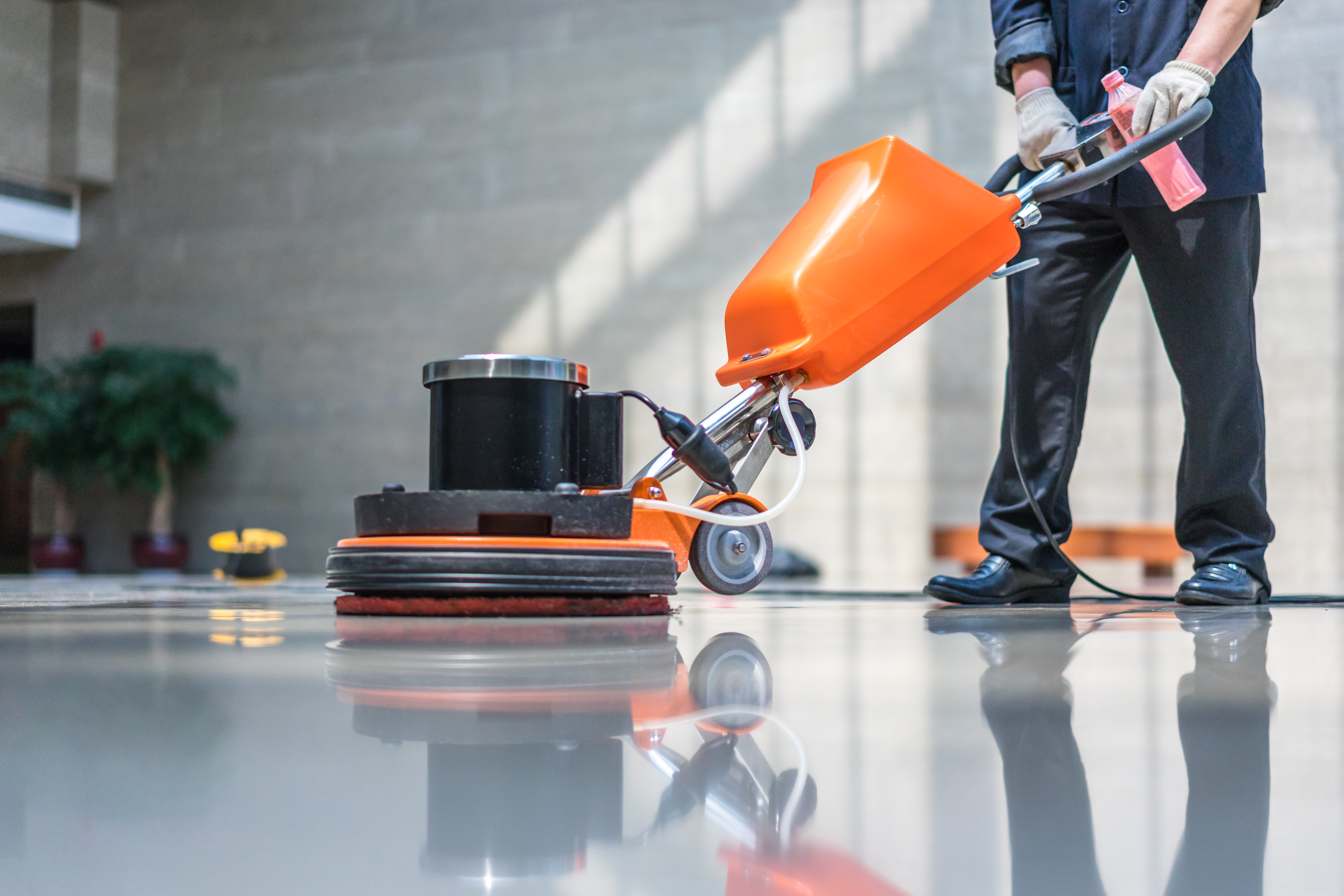
Buffing is a less expensive and less time-consuming alternative to other floor repair techniques, but it’s only ideal for removing surface-level scratches and damages. Floor-buffing machines work to gently smooth out the floor’s top layer rather than removing it the way that sanding does. 

This process is ideal for gently worn floors, but it won’t have the desired impact on floors with severe damage. On the other hand, sanding fully strips the floor’s top layer so damages beneath the surface are accessible to remove or repair. Since the process is more involved, it requires more time, tools, and experience to achieve the best possible results.

Quartzite countertops are porous, meaning that liquids can seep into the stone and stain them. You’ll need to seal them before installing and resealing annually, depending on use and stone material. Sealing will help prevent stains and etching. On the other hand, you don’t need to seal quartz and other engineered stone countertops since they aren’t porous.

The frequency for sealing granite countertops depends on several factors, including the type of sealant used, the color of the granite, and how heavily the countertops are used. As a general guideline, resealing is often recommended every 12 to 18 months, but some sources suggest it could be as often as every few months or at least once a year.

The type of sealant is a major factor: water-based sealants may need reapplication every six months to a year, while more durable solvent-based sealants can last for five to 10 years. Additionally, factors like heavy kitchen traffic, frequent use of acidic cleaners, and lighter granite colors may require more frequent sealing to prevent staining.

To determine if your countertops need resealing, you can perform a simple water test. Place a few drops of water or a wet paper towel on an inconspicuous area of the granite. After 10 to 15 minutes, check the spot. If the water has beaded up, the seal is still intact. If the water has been absorbed and darkened the stone, it's time to apply a new coat of sealant. You can choose to seal the granite yourself or hire a professional to ensure it's done correctly.

Yes, limestone often turns yellow over time when improperly cared for. The stone contains natural iron deposits, which can oxidize when exposed to water, acids, or harsh chemicals, such as bleach. Without exposure to water or chemicals, limestone should not turn yellow. Always seal limestone countertops to protect them from moisture, and only use gentle cleansers designed for stone.

No, you cannot use vinegar to polish marble. It is too acidic for cleaning or polishing and can etch the surface. Instead, opt for non-acidic cleaners made specifically for marble. Follow the manufacturer’s directions to ensure proper application and to protect the marble. However, a damp mop can be an effective marble cleaner when used appropriately and as long as moisture is immediately soaked up.

The Spalding, MI homeowners’ guide to buffing and polishing services

From average costs to expert advice, get all the answers you need to get your job done.