




Top-rated buffing and polishing pros.

Get matched with top buffing and polishing pros in Powers, MI

Enter your zip and get matched with up to 5 pros

Need a pro for your buffing and polishing project in Powers, MI?

Select your specific project to find the pro for you.

Find Buffing and polishing pros in Powers

Buffing and Polishing questions, answered by experts

A mason lays brick or stone together, sometimes with mortar in between the bricks and stones, and sometimes without mortar, also called a dry-stack or surface bonding. Examples of work masons do include:

  • Brick, stone, or cement block houses and buildings

  • Freestanding stone or brick walls

  • Chimneys with wood-burning fireplaces

  • Cement block basement or crawl space walls

If you would rather use vinegar to clean the stone fireplace instead of dish soap, this mixture should work fine. Vinegar is slightly acidic, however, so it may etch some kinds of stone without quite a bit of diluting. For a stone fireplace, dilute it to about one cup of vinegar for every gallon of hot water. It’s a smart idea to test the diluted mixture in an inconspicuous area of the fireplace and watch for etching. You can use vinegar to clean quite a few different items around your home, and it’s especially good at removing stains.

No, soapstone does not crack easily. The softness of the material protects it from cracking but makes it prone to other types of damage such as scratches. Scratches may need to be buffed out occasionally using fine-grit sandpaper. You can also conceal minor scratches in your soapstone countertops by rubbing the surface with mineral oil.

Since marble is a porous material, it is more prone to water spots than other countertop options. Fortunately, pure water doesn’t damage your marble, but if the water is acidic, it can cause stains or water spots. Resealing throughout the year can help increase marble’s water resistance, too.

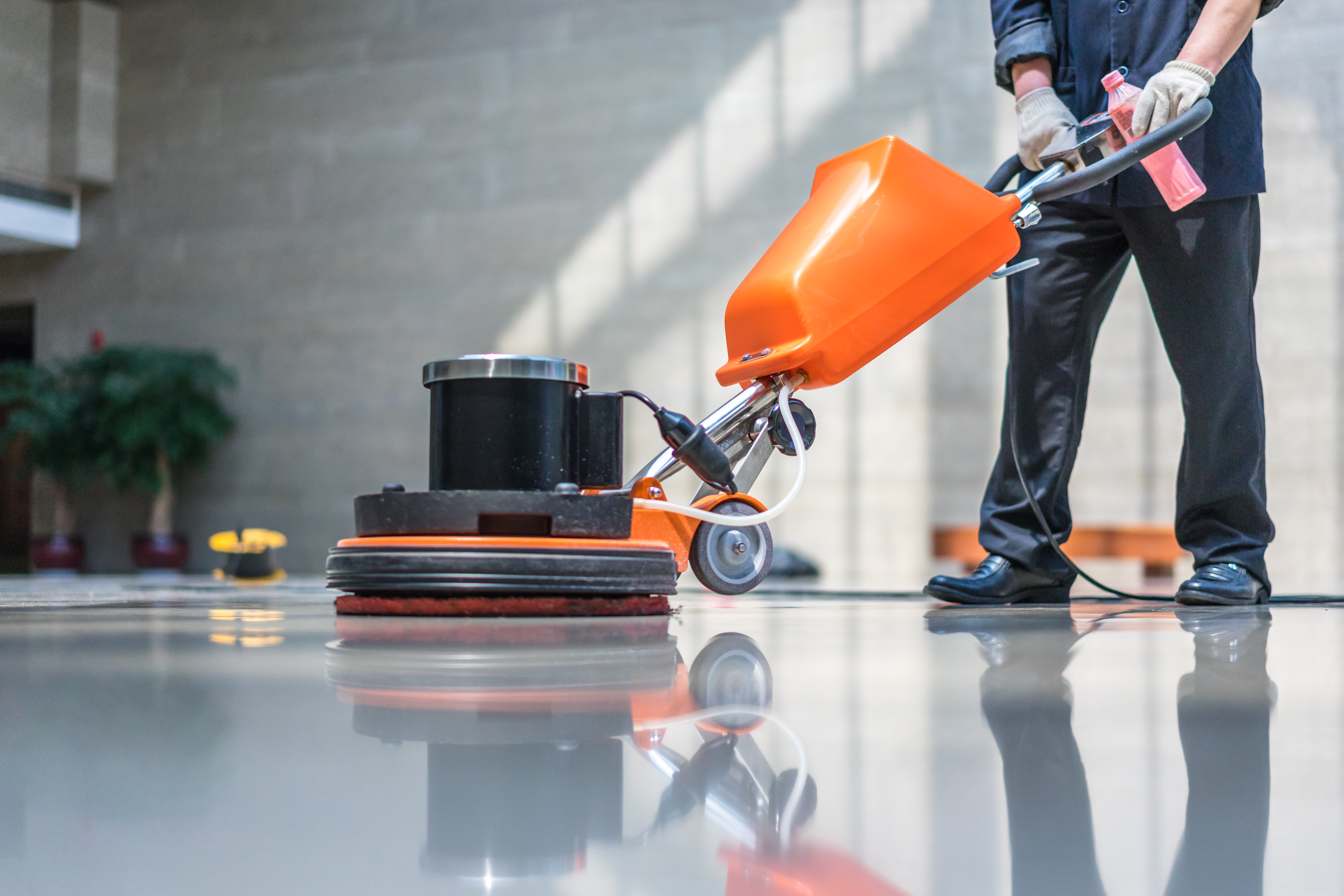
Buffing is a less expensive and less time-consuming alternative to other floor repair techniques, but it’s only ideal for removing surface-level scratches and damages. Floor-buffing machines work to gently smooth out the floor’s top layer rather than removing it the way that sanding does. 

This process is ideal for gently worn floors, but it won’t have the desired impact on floors with severe damage. On the other hand, sanding fully strips the floor’s top layer so damages beneath the surface are accessible to remove or repair. Since the process is more involved, it requires more time, tools, and experience to achieve the best possible results.

The Powers, MI homeowners’ guide to buffing and polishing services

From average costs to expert advice, get all the answers you need to get your job done.