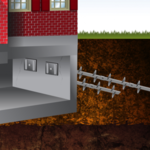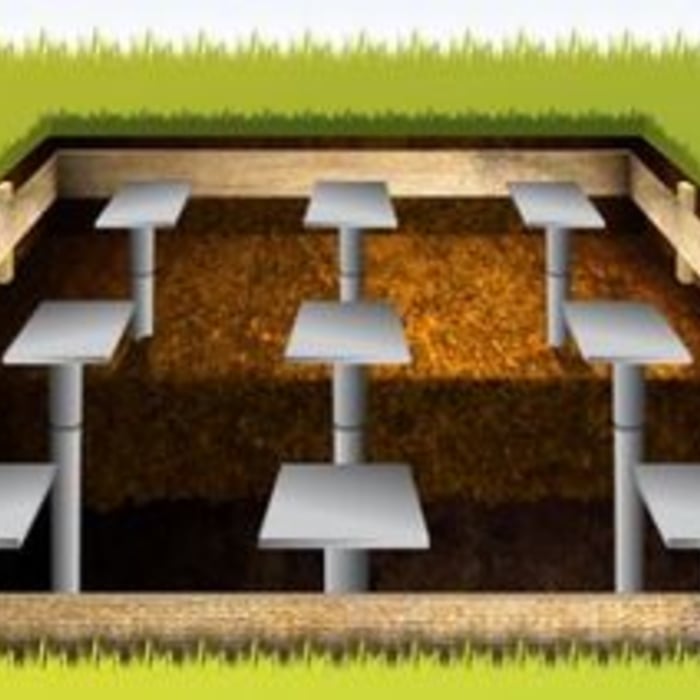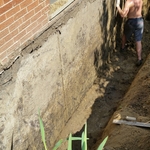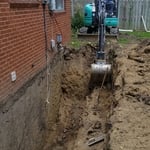



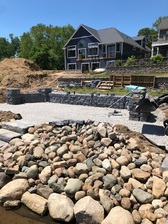


"Chris Peplinski came out and gave us a fair and honest estimate on fixing our foundation. Alex and crew arrived and installed helical piers to shore up our foundation and you couldn’t tell they were even here. Everything from the first call to the install was top notch! Highly Recommend!"

"The fellow I worked with his name was James. His work was excellent, he was accommodating and extremely thorough, and his price was well below the other bids I got. I would recommend him to anyone."
"Steve Fitch is outstanding. He told me exactly what the the problem is and the step to remedy he also has people to replace the drywall and cabinets. Thank you Steve"
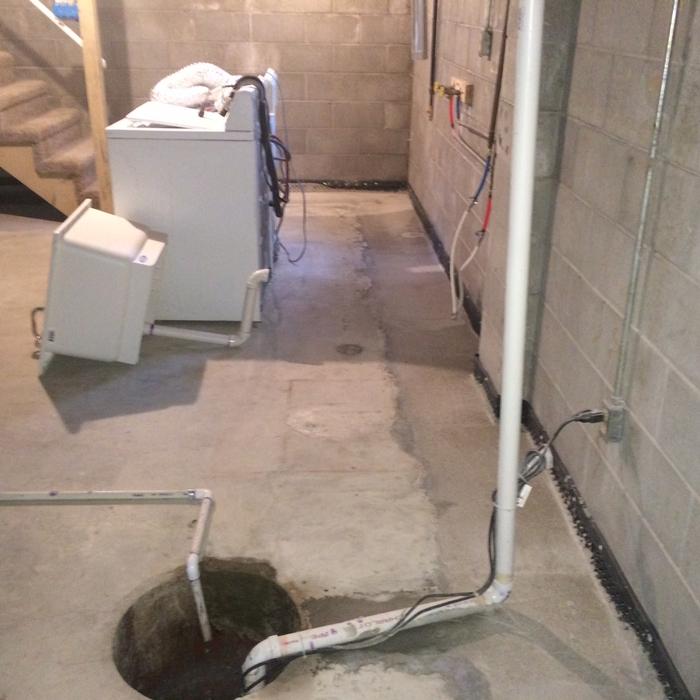
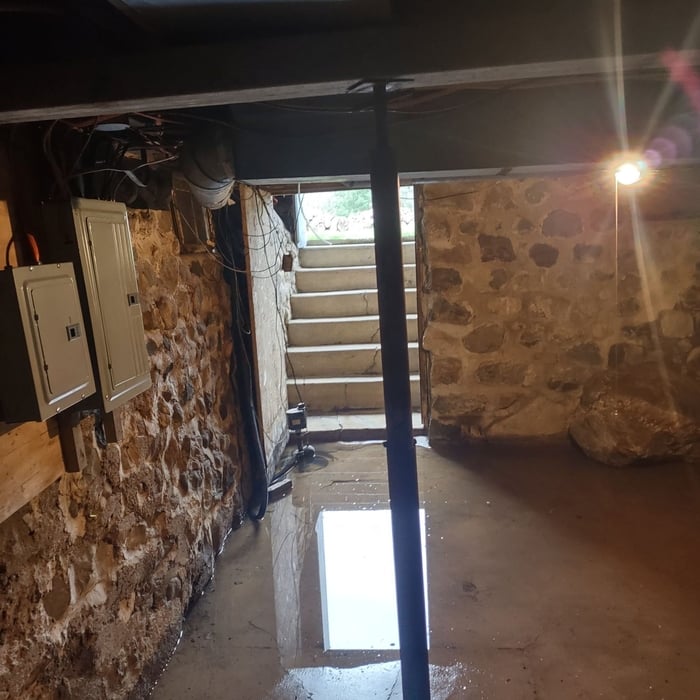
"The work was affordable and practical...Done in a timely manner too....Perfect for what was needed to keep my basement dry and ready to finish. "The Price Is Right"!"
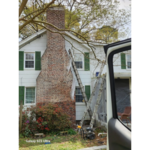
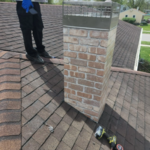
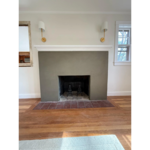
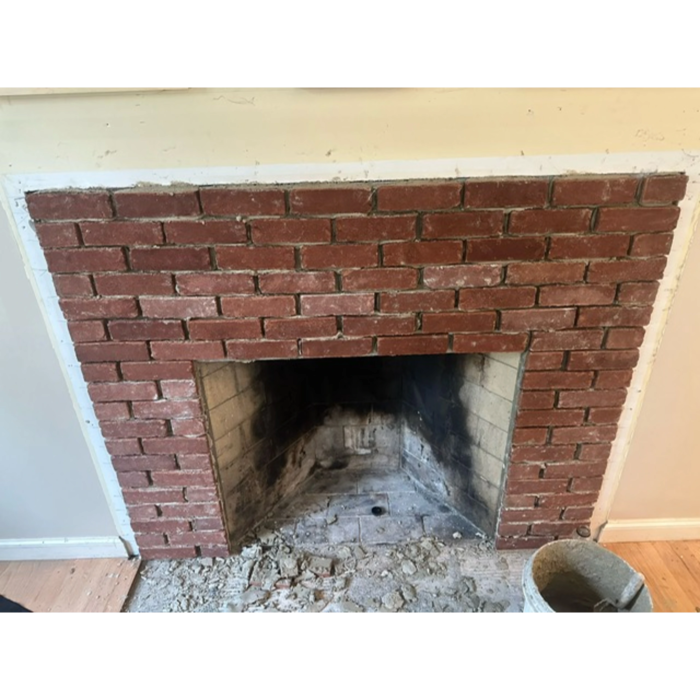
"I was impressed with Chuck from Shamrock Chimney. He was realistic in his discussion and went thru various options from converting to a gas fireplace to wood inserts. He discussed the issues with the existing field stone face and converting to a two way fireplace. He certainly made me comfortable to consider Shamrock should the project move forward."
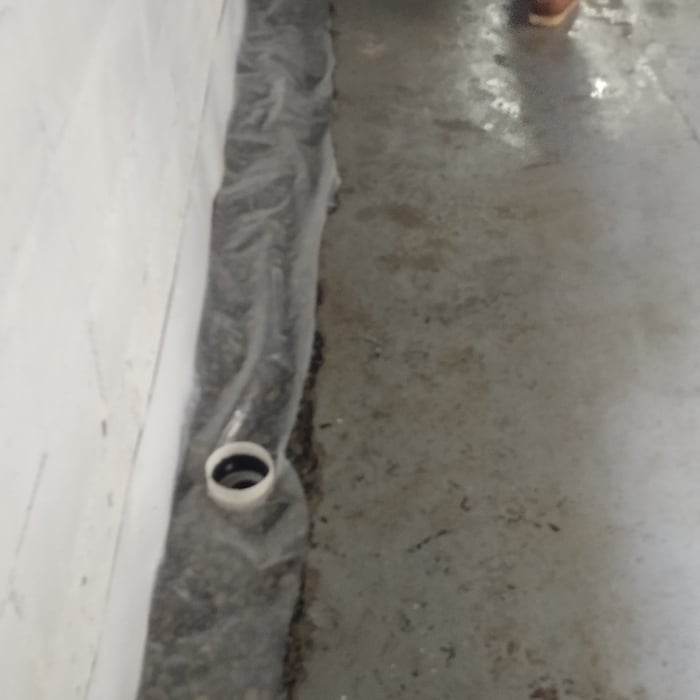
"They were very professional from the day one when I met Tom Cox and through the completed installlation of my "WaterGuard" system. I look forward to seeing how the system works."
"Easy experience. Great salesman lol but the workers were awesome and really respectful. They messed up once on some of my city piping, but they came out the same day and fixed it with no questions or complaints. Nice to know my basement is warranted for the rest of the life of the house."
When painting brick, each application method has distinct advantages and disadvantages. Spraying is significantly faster but may not penetrate deeply beyond the surface layer. Rolling is effective for working paint into the brick's texture but can be less effective on mortar joints. If you opt for a roller, choose a thick nap of at least a half-inch to ensure paint gets into all the crevices for even coverage. Using a brush is generally not recommended as it is very time-consuming and provides poor surface penetration. Ultimately, a combination of spraying followed by back-rolling is often the best strategy for a durable and even finish.
A traditional German schmear uses mortar, making it unsuitable for adherence to painted surfaces. Professionals recommend removing any existing paint before applying mortar. However, you can rough up the painted surface and clean it to test if the mortar will stick. Remember that the underlying paint's texture and color may affect the schmear's final appearance—so starting with a bare brick wall will ensure the ideal finish.
On average, a quality exterior brick stain can last between 10 and 20 years, and sometimes even longer. While it will look its best for a minimum of three to five years, its total lifespan depends on several factors. These include the quality and type of stain used, the condition of the brick, and the thoroughness of the surface preparation, such as proper cleaning. Following the manufacturer's application instructions and applying a sealant as a final step is also crucial. The stain's longevity can be affected by your location, climate, and the brick's exposure to harsh weather, high traffic, and other elements. Over time, the stain may begin to fade or look dingy due to weathering, erosion, dirt, and debris. Compared to paint, brick stain generally has a longer lifespan.
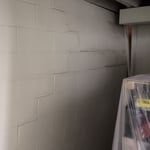
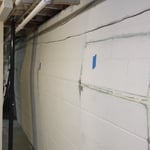
Not all cracks in brick indicate foundation problems. For instance, small hairline cracks can occur as a new construction settles. However, larger cracks are often a sign of a more severe issue. Indicators of a potential foundation problem include long horizontal cracks, "stair-step" cracks, vertical cracks that appear indoors, or any crack that widens at the top. Other signs of structural damage to look for are uneven floors and doors or windows that stick. These issues could be caused by problems with the soil beneath the home or an overgrown tree.
Yes, masonry is more expensive than concrete because the labor is much more involved. With masonry, your expert will build your project from the ground up, one piece at a time, ensuring they use the proper amount of mortar or grout during construction and keeping the project level or plumb. Pouring concrete can also be labor-intensive, but it’s a bit less involved. It requires building a mold, pouring the concrete, and letting it cure. The less intensive labor makes concrete a more affordable option in most cases.
The Saint Charles, MI homeowners’ guide to masonry services
From average costs to expert advice, get all the answers you need to get your job done.
Door or window lintel replacement costs $400 on average, but there are ways you can save. On the other hand, complicated work will increase costs considerably.
This guide features information on the costs to repair a brick wall, whether or not you need a brick mason to complete spalling, tuckpointing, or a full restoration.
Need to repoint brick in your home to make your home look fresh and new? Use this guide to repointing brick cost to price out your project before starting.
Discover the wide variety of masonry materials for your next home upgrade project. Our guide covers the different types of materials to choose from and more.
When it comes to masonry versus concrete, it can be easy to confuse the two. Use this guide to learn about the differences in appearance, strength, and more.