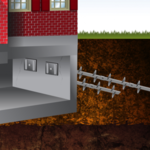
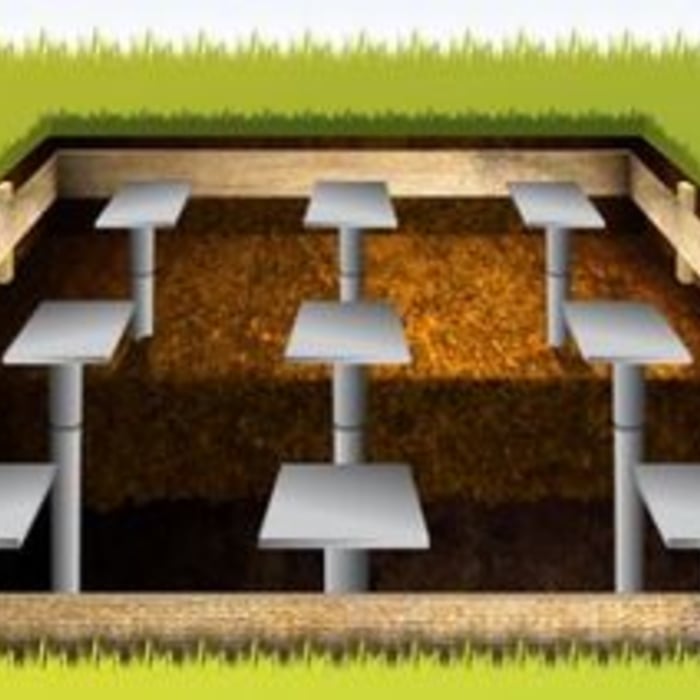
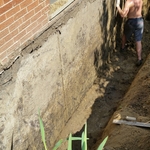
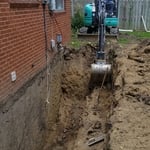
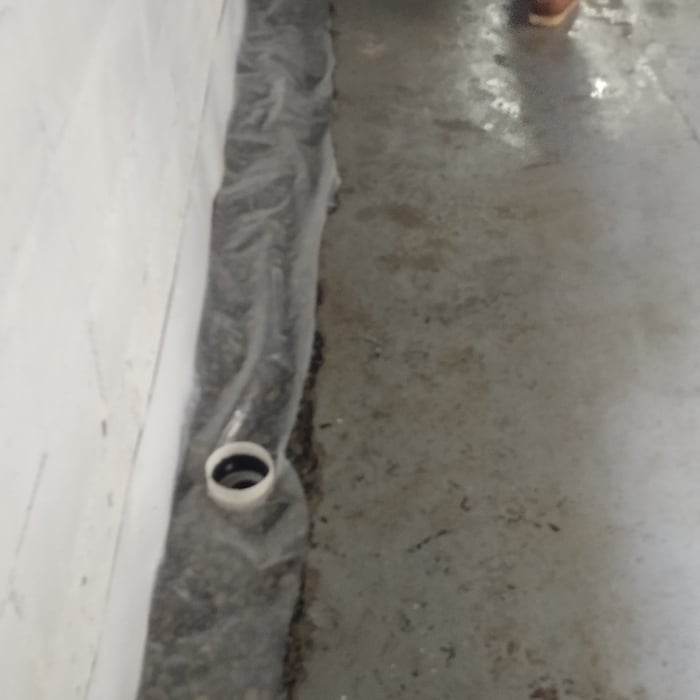
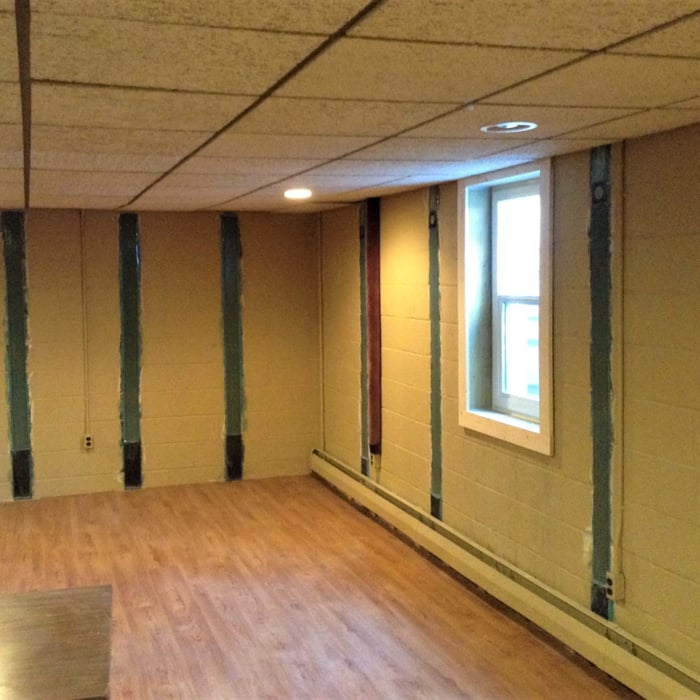
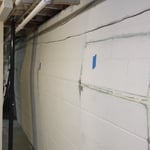
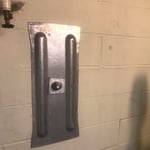
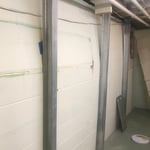
"Chris Peplinski came out and gave us a fair and honest estimate on fixing our foundation. Alex and crew arrived and installed helical piers to shore up our foundation and you couldn’t tell they were even here. Everything from the first call to the install was top notch! Highly Recommend!"
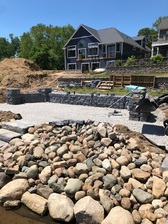
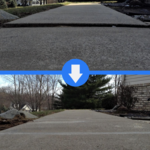
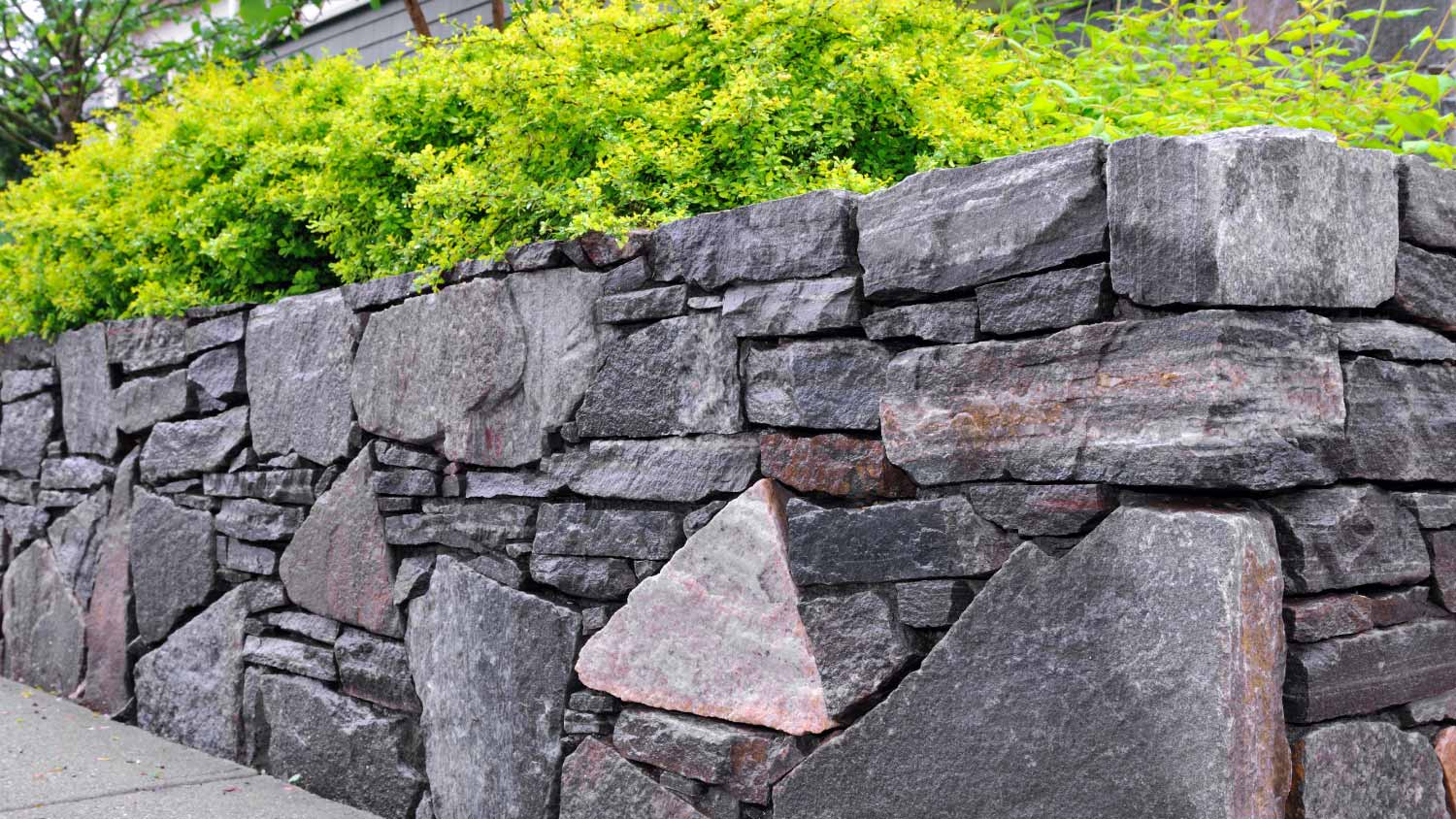
"They did a rock wall down our driveway and stone landscaping in our front yard. I cannot believe the great job. Great workers and so easy to work with."
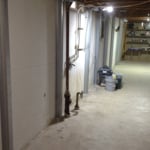
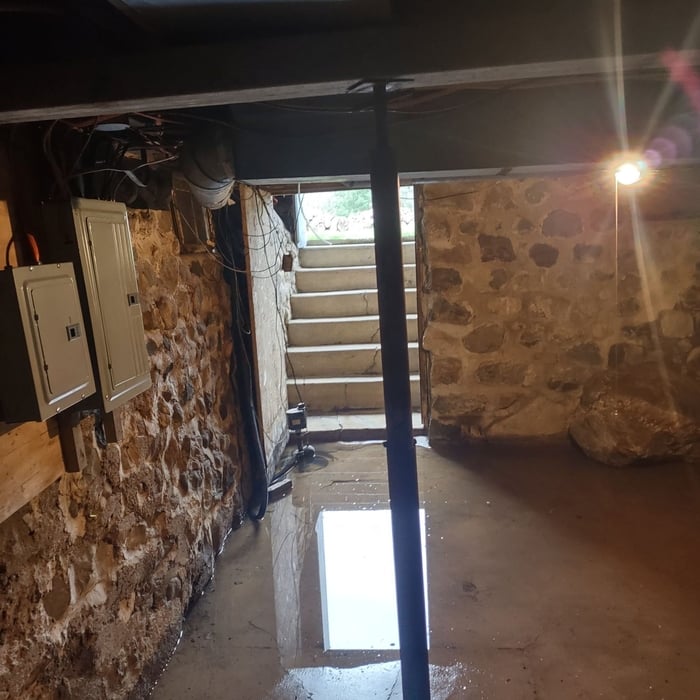
"This is a great company to use in making a 141 year old basement waterproof. I look foreward to having a waterproo basemant. Craig was pleasant and went the extra mile to make the experience great."
"Good communication, professional, courteous and clean up was thorough.
We waited a few months before doing a rating to experience a few heavy rains. We are extremely happy with having a dry usable basement. We usually don't do ratings but All Ways Dry exceeded our expectations!"
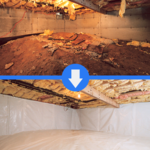
"I had several quotes for a fairly extensive leak in my poured basement wall resulting from poor workmanship during the original construction. Several contractors told me the foundation would have to be dug up to do a proper repair. I was hoping for another solution so I called this company. They came out to look and I was immediately impressed with their professionalism and candor. The first rep did not try to pressure sell me and even expressed skepticism that they could fix the problem. He called in other resources from the company to inspect it and offer their assessments. After careful examination and consultation with each other they determined that sealing the wall from the inside was feasible. I waited until now to write this review so I could be honest about how it turned out. Well, it hasn't leaked a drop! I would recommend this company to anybody. They earned my trust and they saved me a lot of money and grief."
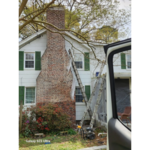
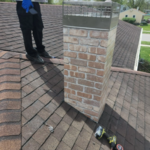
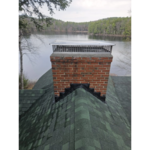
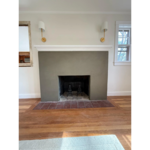
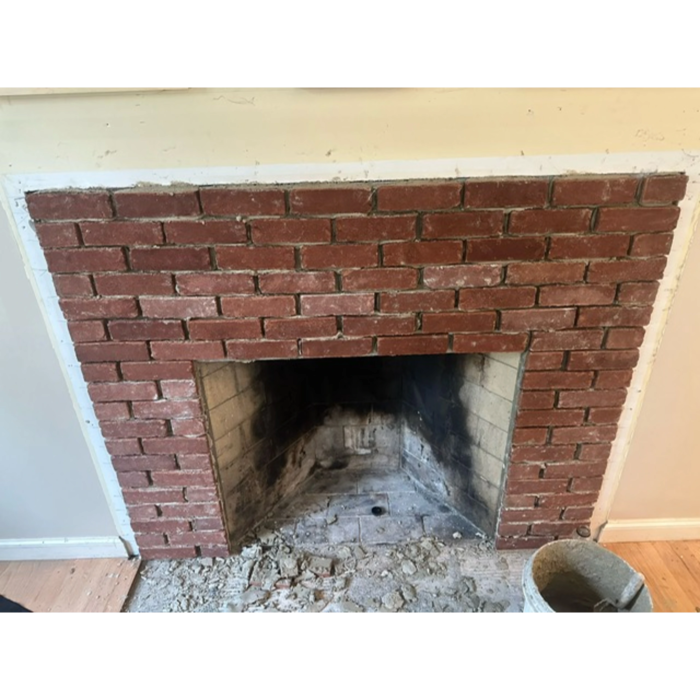
"I was impressed with Chuck from Shamrock Chimney. He was realistic in his discussion and went thru various options from converting to a gas fireplace to wood inserts. He discussed the issues with the existing field stone face and converting to a two way fireplace. He certainly made me comfortable to consider Shamrock should the project move forward."
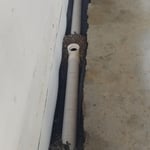
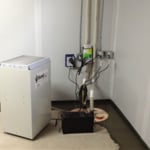
"They were very professional from the day one when I met Tom Cox and through the completed installlation of my "WaterGuard" system. I look forward to seeing how the system works."
"Easy experience. Great salesman lol but the workers were awesome and really respectful. They messed up once on some of my city piping, but they came out the same day and fixed it with no questions or complaints. Nice to know my basement is warranted for the rest of the life of the house."
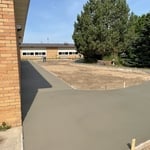
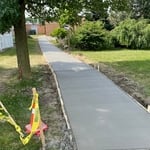
Northern Ground Services has become a staple of professionalism and quality work in Michigan for years. With decades of experience, there is no job too large or small. Call today to schedule an appointment!
A fireplace is, by definition, an enclosed space where you burn wood or other fuel for the purpose of generating light and heat. A firepit burns wood and is much less expensive to build, but they aren’t technically a fireplace as it isn’t enclosed. An outdoor oven—commonly outdoor brick pizza ovens—often uses wood as fuel, but its primary purpose is to cook food, and you’d rarely just burn wood inside them for warmth or aesthetic reasons.
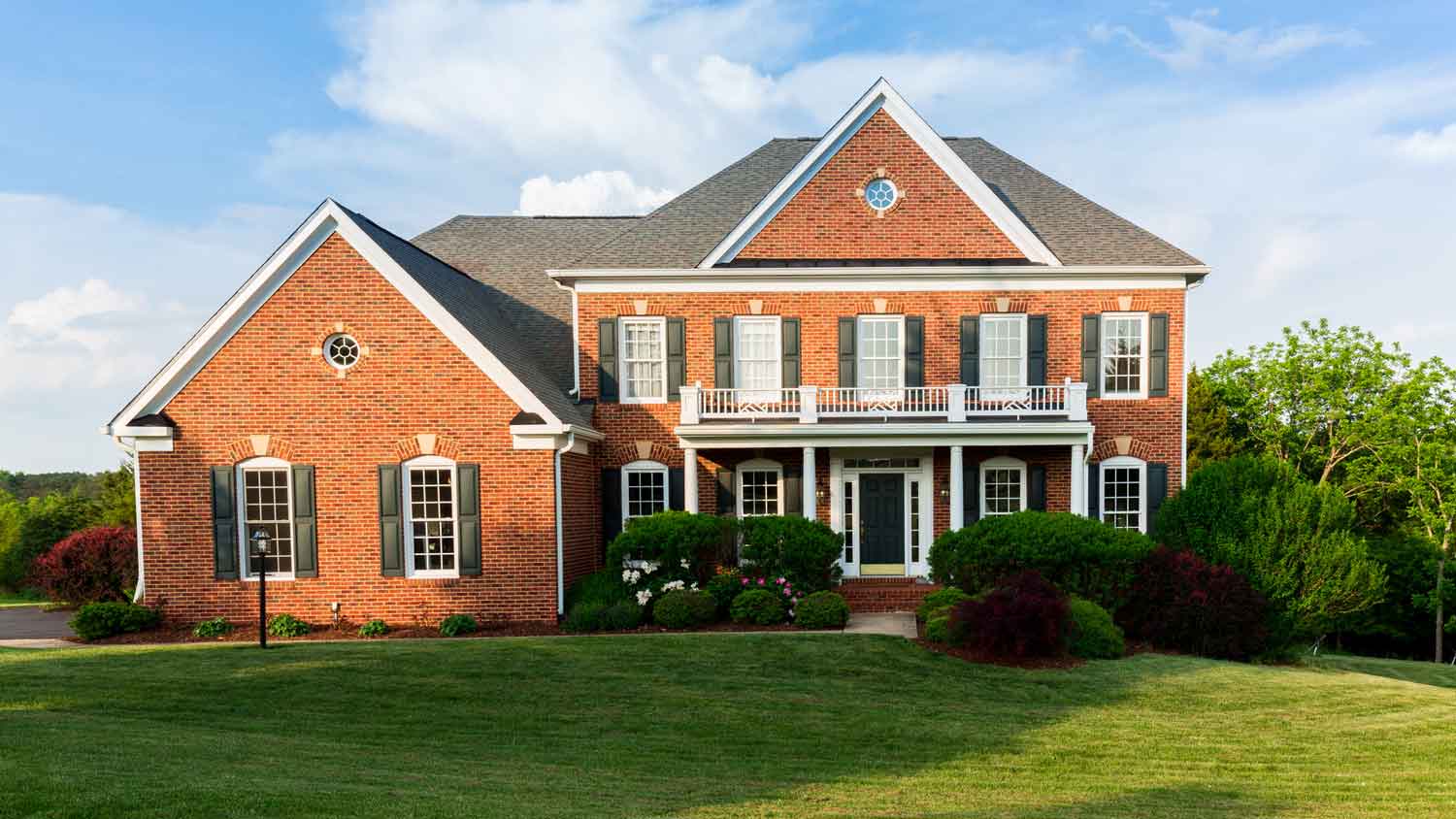
You should generally drill into the mortar joints when installing shutters on brick. Mortar is softer, which makes drilling easier and puts less strain on your tools. It also lowers the risk of cracking a brick—something that’s a lot harder to fix. Mortar holds fasteners well enough for standard shutters, and if you ever need to patch the holes later, it’s a much simpler job than dealing with damaged brick. Just keep in mind that if your mortar joints are too thin or the hardware calls for brick anchoring, you'll need to check the manufacturer’s recommendations and adjust accordingly.
Some older brick material is extremely hard, making it tough to create a hole. Rather than using a typical wood drill bit, always use a masonry drill bit when drilling into brick. For extremely hard brick, using a power drill with a hammer function may give you better results. The drill bit will heat up as it goes into the extremely hard brick, so you may need to stop after a few minutes and allow the bit to cool before starting to drill again.
They offer durability, aesthetic appeal, and resistance to weathering compared to concrete or asphalt.
Brick and stone are durable, low-maintenance materials that offer excellent insulation, aesthetic appeal, and can increase property value.
The Auburn, MI homeowners’ guide to masonry services
From average costs to expert advice, get all the answers you need to get your job done.
Door or window lintel replacement costs $400 on average, but there are ways you can save. On the other hand, complicated work will increase costs considerably.
This guide features information on the costs to repair a brick wall, whether or not you need a brick mason to complete spalling, tuckpointing, or a full restoration.
Need to repoint brick in your home to make your home look fresh and new? Use this guide to repointing brick cost to price out your project before starting.
Discover the wide variety of masonry materials for your next home upgrade project. Our guide covers the different types of materials to choose from and more.
When it comes to masonry versus concrete, it can be easy to confuse the two. Use this guide to learn about the differences in appearance, strength, and more.