


Top-rated excavation pros.

Get matched with top excavation pros in Rochester, MI

Enter your zip and get matched with up to 5 pros

Need a pro for your excavation project in Rochester, MI?

Select your specific project to find the pro for you.

TRUSTED BY ROCHESTER, MI HOMEOWNERS

  • Average homeowner rating star icon4.3
    Average homeowner rating
  • Verified reviews icon25
    Verified excavation services reviews

Find Excavation pros in Rochester

Avatar for New Image Lawn
New Image Lawn
5.0(
15
)
Landscape - Minor Grading or Resloping

Serving Rochester, MI and surrounding areas

Approved

In business since 2010

Free estimates

Small jobs welcome

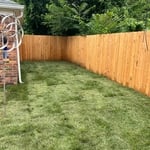
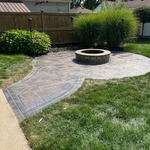
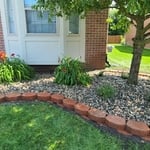
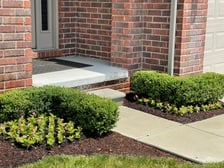
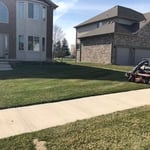
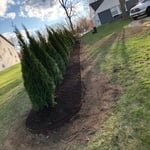
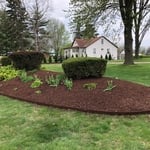
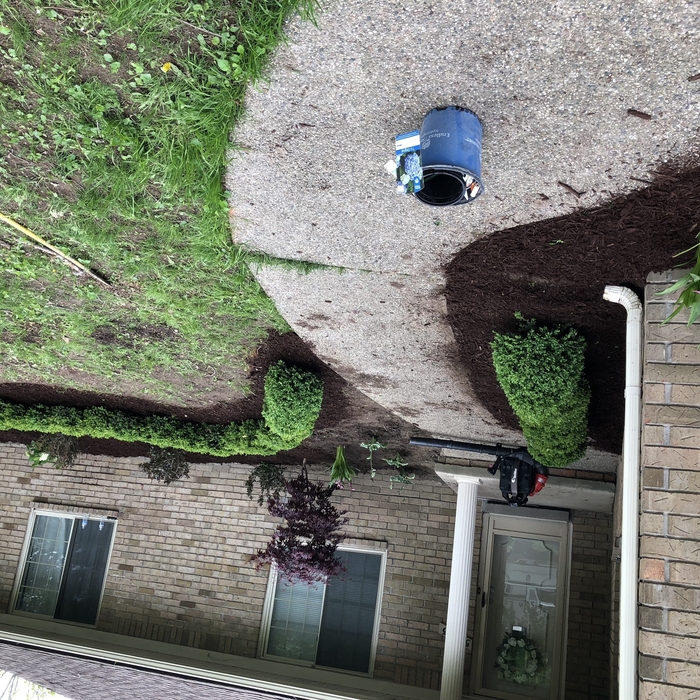
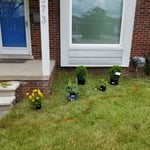
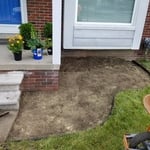
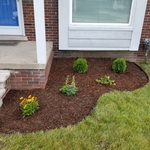
"They came out and ground stumps from removed arborvitae, placed new weed barrier and border, replaced lava rock and planted new bushes. Were fast, friendly, professional and I am already getting compliments on how nice it looks."
Previous Work
Previous Work
Previous Work
Previous Work
Previous Work

+33

Response time2 days
Recommended by92%of homeowners
Avatar for Monty Home Solutions L.L.C.
Monty Home Solutions L.L.C.
4.6(
26
)
Landscape - Minor Grading or Resloping

Serving Rochester, MI and surrounding areas

Approved

In business since 2021

Free estimates

Credit card accepted

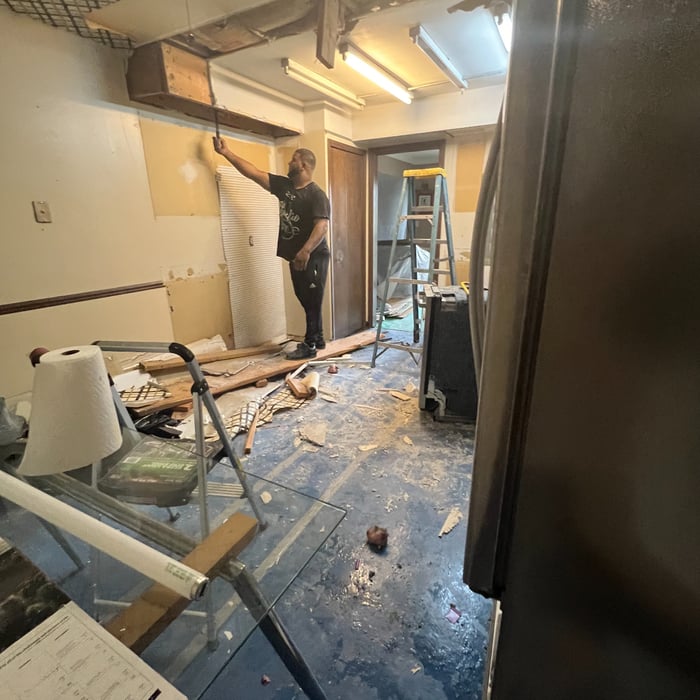
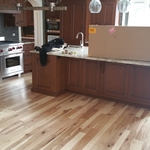
"I had my whole kitchen remodeled. They do awesome tiles and beautiful work. Installed a hood fan over stove. Great people!!! Decent prices. Easy to work with. 100% trust in their help. Extremely helpful."
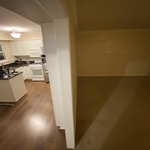
Living Room Before
Kitchen & Living Room Before
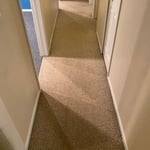
Hallway Before
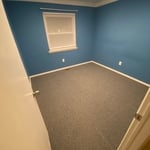
Bedroom Before
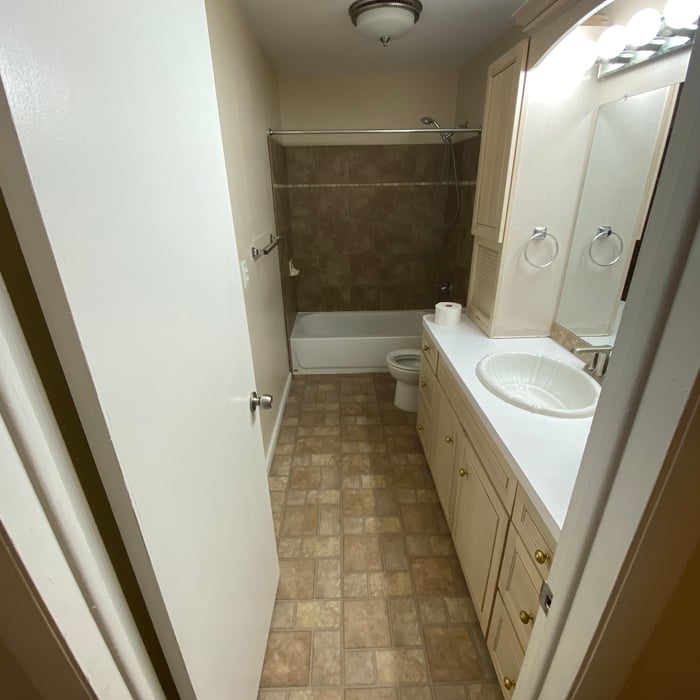
Guest Bathroom Before

+9

Response time3 days
Recommended by84%of homeowners
...
Showing 1-10 of 252
Excavating questions, answered by experts

The best type of soil to build on is a mixture of sand and clay, known as loam soil. Loam soil has the best combination of these soil types to build a foundation on. The clay particles help with water retention, so it won’t erode like sandy soil might, and the sandy particles help with drainage, so you won’t see unsafe soil expansion or have an increased risk of leaks from water sitting against your foundation.

Hardscaping often requires preparation of the ground in the area where the feature is being installed. This can include digging, compacting, and leveling the soil, ensuring adequate drainage, and removing any existing plants. The extent of preparation needed will depend on the type and size of the hardscaping feature being installed.
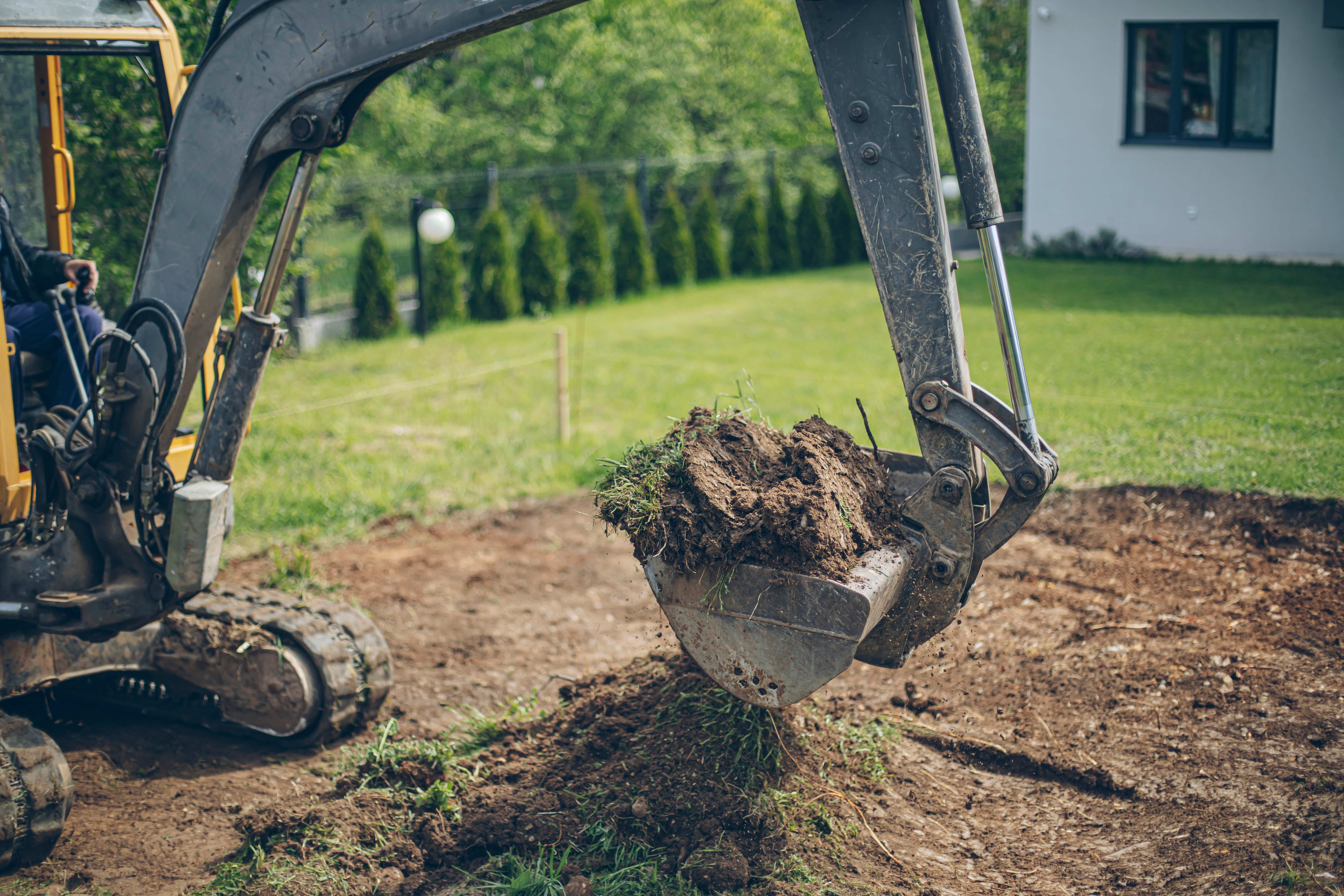
A mini excavator can dig between 5 and 11 feet deep, depending on the type and size of the mini excavator. Mini hydraulic excavators are more powerful and can reach deeper into the earth, but electric models have a more limited range. Mini excavators over two tons in size are also more powerful and able to dig as deep as 11 feet.

Yes, trenchers can go through gravel. Gravel is made up of smaller, softer rocks that certain trenchers are able to cut through. Just be sure to use a rock wheel trencher or chain trencher, both of which are made to cut through rocky landscapes and gravel pathways without dulling the teeth or chain.

There is no standard depth for burying a septic tank; they are typically buried anywhere from 4 inches to 4 feet underground. The final depth depends on several factors, including the depth of your main sewer line, the height of the bedrock, soil type, local regulations, and the property's landscape. If you plan to grow grass or plants over the tank, a depth of at least 4 to 6 inches is recommended. Deeper tanks can be more difficult to locate, but a septic professional can help find it for you.

The Rochester, MI homeowners’ guide to excavation services

From average costs to expert advice, get all the answers you need to get your job done.