

Top-rated excavation pros.

Best excavation pros near Royal Oak, MI

Enter your zip and get matched with up to 5 pros

Need a pro for your excavation project in Royal Oak, MI?

Select your specific project to find the pro for you.

TRUSTED BY ROYAL OAK, MI HOMEOWNERS

  • Average homeowner rating star icon4.3
    Average homeowner rating
  • Verified reviews icon26
    Verified excavation services reviews

Top-Rated Excavation pros in Royal Oak - Updated Nov 2026

Avatar for Allor Contracting
Allor Contracting
5.0(
8
)
Excavation - Major Grading or Resloping

Serving Royal Oak, MI and surrounding areas

Approved

In business since 2017

Free estimates

Credit card accepted

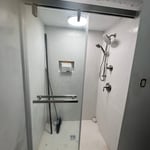
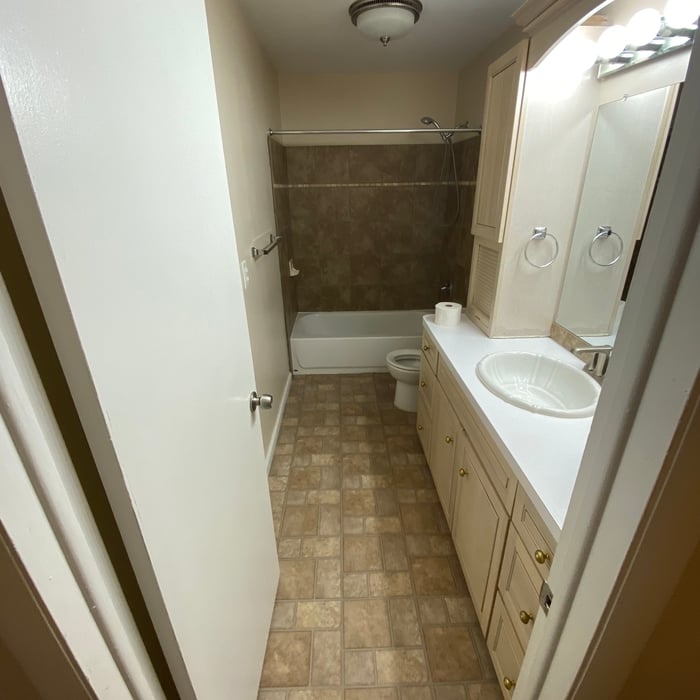
"Complete bathroom remodel in 6 days! Great work, fair price. They were clean and in fact cleaned up at the end of each day to minimize the overall mess impact which was truly appreciated. Knowledgeable and offered creative ideas that we were able to use. Accessible as well after hours. They will be our go to for any future projects. Five stars!!"
Bathroom Remodel
Bathroom Remodel
Bathroom Remodel
Bathroom Remodel
Bathroom Remodel

+13

6 neighbors recently requested a quote
Avatar for Monty Home Solutions L.L.C.
Monty Home Solutions L.L.C.
4.6(
26
)
Landscape - Minor Grading or Resloping

Serving Royal Oak, MI and surrounding areas

Approved

In business since 2021

Free estimates

Credit card accepted

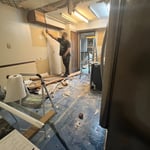
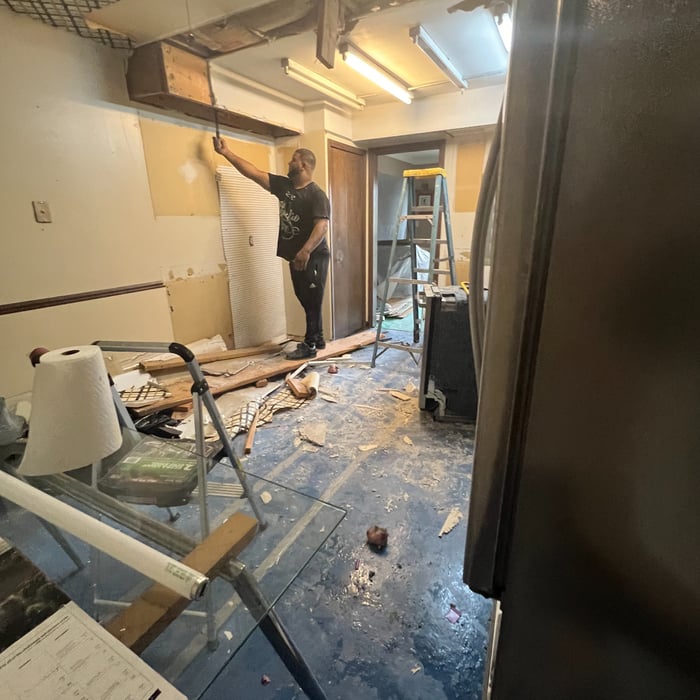
"I had my whole kitchen remodeled. They do awesome tiles and beautiful work. Installed a hood fan over stove. Great people!!! Decent prices. Easy to work with. 100% trust in their help. Extremely helpful."
Living Room Before
Kitchen & Living Room Before
Hallway Before
Bedroom Before
Guest Bathroom Before

+9

Response time3 days
Recommended by84%of homeowners
Avatar for GreenTHUMB Lawn and Landscape
GreenTHUMB Lawn and Landscape
4.7(
8
)
Landscape - Minor Grading or Resloping

Serving Royal Oak, MI and surrounding areas

Approved

In business since 2022

Free estimates

Credit card accepted

"I have never had the privilege to work with such an amazing company. Iâ m 100% satisfied. They are so tuned in to what you are saying. They are very knowledgeable,very easy to communicate with and very accommodating. Very clean workers,very respectful, There is not one thing I would of changed. They all have wonderful personalities , great sense of humor, and very hard and dedicated workers."
Response time11 hrs
5 neighbors recently requested a quote
Recommended by100%of homeowners
...
Showing 1-10 of 266
Excavating FAQs, answered by experts

To determine whether your homeowners' insurance will cover crawl space repair, consider the cause of the issue. Repair may be covered if the problems were caused by an event that the insurance covers, such as vandalism or a windstorm. However, companies won't cover the repair if the issues are caused by neglect or wear and tear.

Septic drain lines (or leach lines) are typically buried between 18 and 36 inches underground, and should be at least 6 inches below the surface. These pipes are perforated and surrounded by filtering materials like sand or gravel. Burying the lines at this depth helps minimize odors and allows bacteria and other biological processes in the soil to effectively treat the wastewater. Burying lines too close to the surface can cause issues unless the soil is very compact and stable.

A trench that is less than 5 feet deep often doesn't require a protective system. Most residential trenches will not go this deep (the typical residential drainage trench is just 18 inches deep). In the event that an excavator needs to dig more than 5 feet beneath the surface, a protective system is required unless the excavation is in entirely stable rock.

The best way to protect tree roots is to avoid the roots entirely by excavating outside the root radius of the tree. For nearby projects, it’s a good idea to construct a temporary retaining wall. But that’s not always possible, depending on the project and the root system. In these cases, consider using alternative equipment like an auger to tunnel under the ground.

Remember, tree roots can damage nearby cement foundations as they grow. If a tree is close enough to interfere with large excavations, it may be better to remove the tree than risk future problems.

You can bury underground electrical wire six inches deep—but only if you use a rigid metal electrical conduit. For rigid, non-metallic conduits, bury the wire at least 12 inches deep. If using an underground feeder cable rated for direct burial, you'll need to place it at least 18 inches deep, as it has no conduit for extra protection.

The Royal Oak, MI homeowners’ guide to excavation services

From average costs to expert advice, get all the answers you need to get your job done.