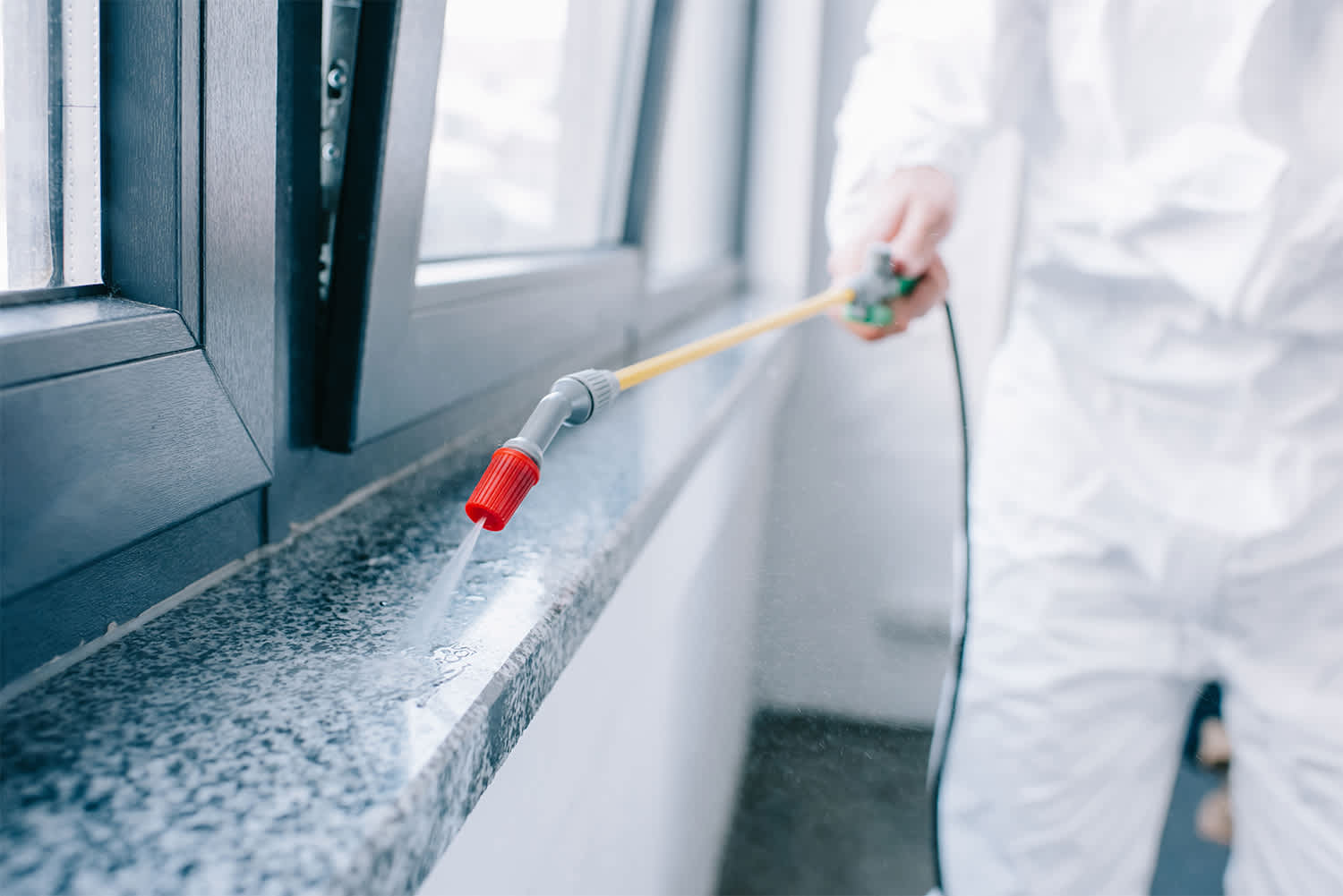
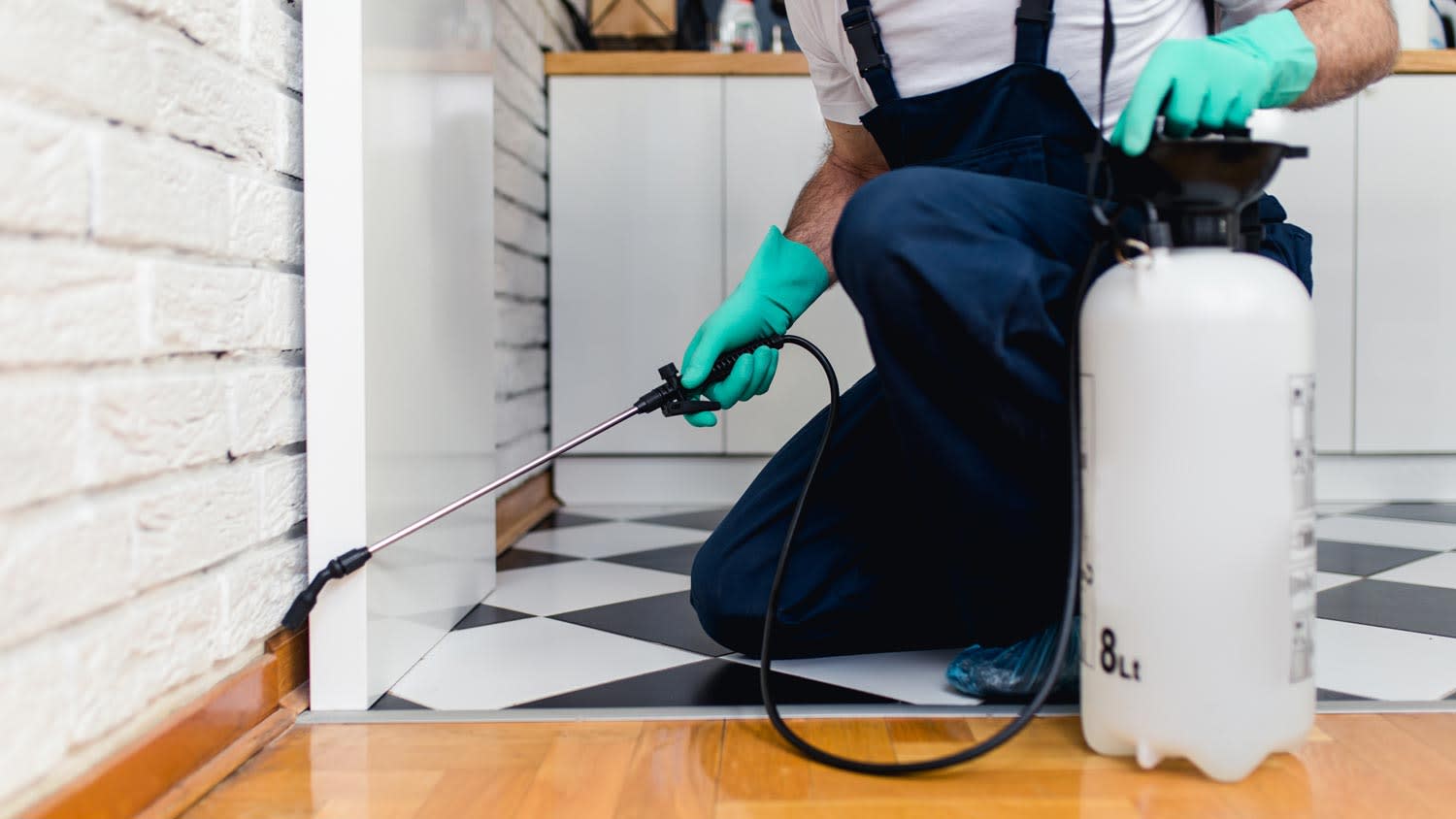
"Very knowledgeable guy who seem to know what he’s doing. Don’t know results of spraying. Have had much rain since. Will have to see if it worked. Terminex will spray again the beginning of next month."
"United Air Temp was able to procure a replacement furnace controller board in a couple of days and Zachary was out within 4 days of the initial visit. The furnace now works very well."
Fleas thrive during the warmer months, starting in March and running through November. However, the prevalence of these pests depends on the climate in your state. That’s why it’s important to stay vigilant for fleas on your pets and property during spring, summer, and fall. Be sure to apply flea prevention sprays and medications to their coats as directed by a veterinarian.
You should never try to remove a bee's nest yourself because it can be extremely dangerous. The amount of bees that can live in a hive depends on the type of bee, but honey bees can have up to 80,000 bees living in a hive. People who are allergic to bees can have life-threatening reactions from a single sting. So, it's best to leave bee nest removal to the professionals who have the knowledge and equipment to do so safely.
Scorpions can be drawn to your home for a number of reasons, and it depends on the type of scorpion you’re finding. Often, scorpions check out moist areas that attract their prey, including insects like cockroaches, crickets, and moths. If you’re looking for scorpion hotbeds in your home, start with cold and damp places like crawl spaces, attics, or behind appliances.
Yes, wolves are generally afraid of humans, as well as most large carnivores, such as bears. The risk of a wolf attacking a human or killing them is very low. Biologists hypothesize that this fear was instilled over centuries of humans hunting wolves and the fact that humans have an upright posture like bears that wolves are also afraid of. Like all wildlife, it’s best not to feed wolves and keep them at a distance from yourself and your home.
The average lifespan of a stink bug is about six to eight months, depending on species and environmental conditions. Their life cycle includes three stages: Egg, nymph, and adult. Eggs hatch in roughly five days to two weeks, followed by a four to six-week nymph stage where they grow and molt. Once fully matured, adult stink bugs focus on reproduction and can fly to new areas, often seeking refuge in homes in search of warmth.
The Leland, MI homeowners’ guide to pest control services
From average costs to expert advice, get all the answers you need to get your job done.
You’re not alone if you’re hoping to avoid harmful pesticides around your home to keep out pests. Here’s what you need to know about green-friendly pest control.