





Top-rated sump pump installation pros.

Get matched with top sump pump installation pros in Gowen, MI

Enter your zip and get matched with up to 5 pros

Need a pro for your sump pump installation project in Gowen, MI?

Select your specific project to find the pro for you.

TRUSTED BY GOWEN, MI HOMEOWNERS

  • Average homeowner rating star icon4.3
    Average homeowner rating
  • Verified reviews icon134
    Verified sump pump installation services reviews
Sump Pump Installation questions, answered by experts

The difference between an ejector pump and a sump pump lies in their purpose and design—an ejector pump functions to remove liquid gray water and soft solid sewage waste from your home. If you have a laundry room or bathroom in your basement, an ejector pump for your sewage tank prevents sewage from backing up in your washing machine or bathroom’s drains.

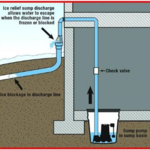
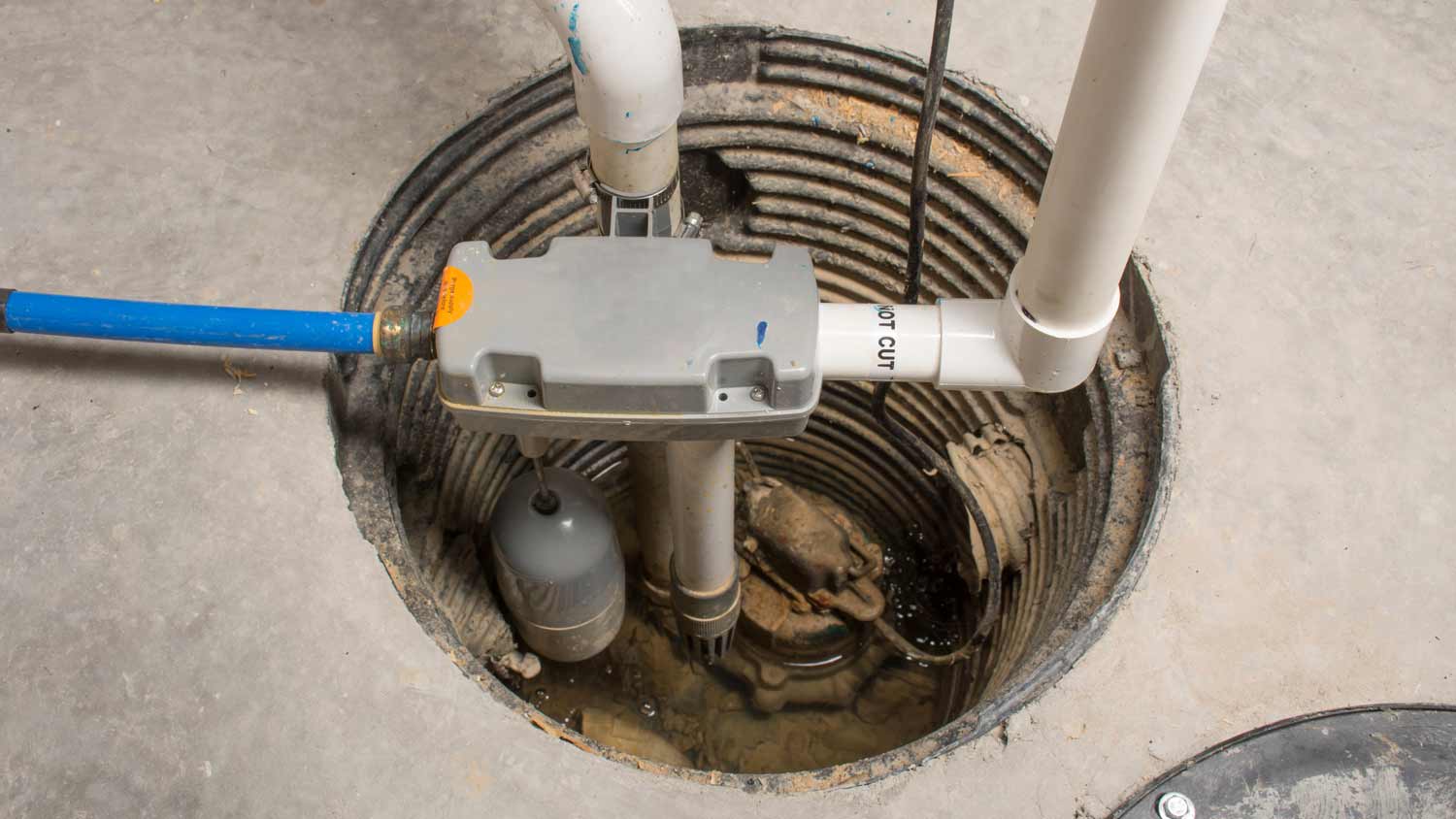
A sump pump is designed to remove excess groundwater that may enter your home, either due to flooding or periods of heavy rain.

A sump pump's lifespan is typically 7 to 10 years, though the general range can be anywhere from 5 to 15 years. The specific type of pump is a major factor: pedestal sump pumps last an average of 20 to 25 years, whereas submersible sump pumps last between 5 and 15 years. While pedestal pumps are less expensive to service, they are also louder and more prone to clogging.

Several other factors influence longevity, including the pump's quality, usage frequency, and maintenance schedule. A high-quality pump that is well-maintained in a dry climate may last for two decades, while a lower-quality, poorly maintained pump in an area with a high water table or frequent flooding may fail in six years or less.

Regular maintenance, including annual inspections and tuneups from a professional, can significantly extend the pump's life. It is time to consider a replacement if your sump pump runs constantly, cycles frequently, shows visible rust or corrosion, or trips a circuit breaker. As a preventative measure, many homeowners replace their pumps every eight years. It's also worth noting that a manufacturer's warranty can indicate expected lifespan, and some home insurance policies may not cover water damage from a pump that is past its recommended replacement date.

Yes, it’s normal (and beneficial) to have a small amount of water in the bottom of your sump pit. It shows that your system is collecting groundwater, rain, and excess water from around your property—just like it’s supposed to. However, if the sump pit is always full, you might have a leak or a faulty sump pump.

Sewer ejector pumps need to be cleaned at least once a year by a professional. You shouldn’t attempt to clean it yourself because it can release sewer gasses that are toxic to humans and can be fatal. But to keep the system as clean as possible between professional inspection and cleaning services, be sure to only flush human waste and toilet paper. Avoid flushing items that can clog the system, like paper towels, grease, oil, or menstruation products.

Some sump pumps are powered by water rather than electricity. Water-powered sump pumps generally use one gallon of city water to pump out two gallons of water from its basin. Therefore, if you're looking at a potential 10,000-gallon flood, your sump pump will need to use 5,000 gallons of city water to prevent it.

The Gowen, MI homeowners’ guide to sump pump installation services

From average costs to expert advice, get all the answers you need to get your job done.