




Top-rated tree service pros.

Best tree service pros near Ludington, MI

Enter your zip and get matched with up to 5 pros

Need a pro for your tree service project in Ludington, MI?

Select your specific project to find the pro for you.

TRUSTED BY LUDINGTON, MI HOMEOWNERS

  • Average homeowner rating star icon4.8
    Average homeowner rating
  • Verified reviews icon154
    Verified tree services reviews

Top-Rated Tree service pros in Ludington - Updated Nov 2026

Avatar for Dylan's Handyman Service
Dylan's Handyman Service
New to Angi
Tree Removal

Serving Ludington, MI and surrounding areas

Approved

In business since 2025

Free estimates

Credit card accepted

We take great pride in our experience, expertise, quality, and customer service that we provide to meet the consumer's custom needs. It is our mission to provide excellent workmanship and complete customer satisfaction from start to completion of a project. In order to understand the needs and expectations of our customers, we take great care to work and communicate with every customer in a professional manner. Our reputation is based on service, safety, and quality, regardless of how large or small the job.

7 neighbors recently requested a quote

Avatar for Andy's Tree Svc
Andy's Tree Svc
4.4(
22
)
Tree RemovalTree Removal - For BusinessTree Stump - Remove+5 more

Serving Ludington, MI and surrounding areas

In business since 1962

Free estimates

Credit card accepted

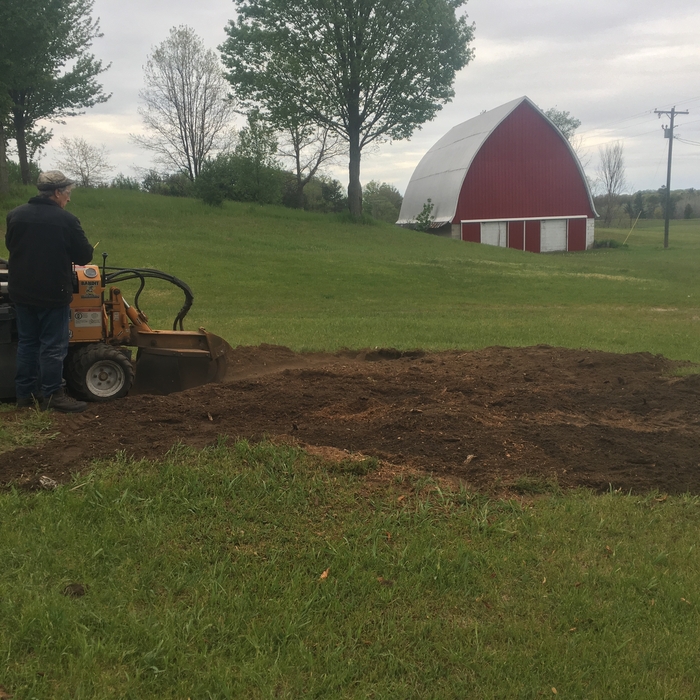
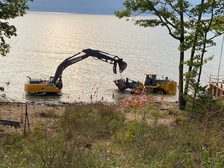
"Andy came personally to give us an estimate.  He was on time, personable and professional.  The date was set for the following week.  Crew arrived ON TIME - they worked safely and quickly.  All the work was completed as promised.  The cleanup from taking down the trees was amazing.  I highly recommend their services!"
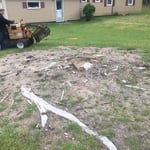
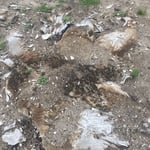
Additional Photos
Additional Photos
Additional Photos
Recommended by100%of homeowners
Showing 1-10 of 43
Tree Service FAQs, answered by experts

It is possible to cut down a tree on your property yourself, but it is generally not recommended unless specific conditions are met. You should only consider this project if the tree is small (e.g., under 4-5 inches in diameter and short enough that you don't need a ladder to reach the branches), and you are experienced in handling a chainsaw. The tree must also be located far from any power lines, fences, homes, or other structures. Even for small trees, the work can be dangerous, and it's always advisable to have a spotter to ensure the tree falls correctly and no branches fall on you.

For any tree that is large, requires a ladder to access, or is near electrical lines or structures, you should always hire a professional. Attempting to remove a large tree yourself is extremely dangerous, poses a risk of serious injury, and could result in significant damage to your property.

Before any tree removal, it's also important to check your local and state regulations to ensure the tree is not historic or otherwise protected by your city.

Common signs that a tree is rotting include dead branches, a leaning trunk, peeling or cracked bark, leaf discoloration, and the presence of fungi. If you notice any of these signs, it’s best to hire an arborist near you to inspect your tree and determine if it can be saved or if it needs to come down.

Whether tree roots will continue to grow after a tree has been cut down depends on the species. Some tree roots will eventually die because they can no longer get nutrients through photosynthesis. However, other species that reproduce through root sprouts can continue to grow and produce new sprouts for seven years or more. For example, the roots of elms, ficus, and willows tend to regrow aggressively, while the roots of pines, oaks, and maples will typically die. To determine if a root system is still active, look for new sprouts on the old trunk, stump, or any exposed roots.

While there is a lot of debate about whether boiling water is strong enough to kill tree roots, it is not best to remove the roots from large, old trees. You may be able to weaken young roots enough to remove them manually, but boiling water will likely not do the trick for large root systems.

Pruning trees is important for several reasons. It improves tree health and strength by removing dead, diseased, or unwanted branches, which in turn encourages new growth and can help treat disease. For fruit trees, proper pruning can lead to a larger and better-quality harvest. Pruning also enhances safety by removing weak limbs that could break and fall, potentially causing injury or property damage, especially during storms. Beyond these functional benefits, pruning can also improve a tree's appearance. To ensure pruning is done correctly for the tree's long-term health, consider hiring a professional.

The Ludington, MI homeowners’ guide to tree services

From average costs to expert advice, get all the answers you need to get your job done.