
Get matched with top radon detection and reduction specialists in Deckerville, MI
Top-rated radon detection and reduction specialists.

Need a pro for your radon detection and reduction project in Deckerville, MI?

Select your specific project to find the pro for you.

Find Radon detection and reduction specialists in Deckerville

Avatar for SWAT Environmental, Inc.
SWAT Environmental, Inc.
4.3(
251
)

Serving Deckerville, MI and surrounding areas

In business since 1988

Free estimates

Credit card accepted

"Radon gas in my house’s lower level was 3.6 picocuries per liter: below 4.0 pCi/L, at which EPA urges remediation, but high enough that it’s recommended. Beginning a week after SWAT installed gas elimination system (for $850), radon level dropped to 0.3 pCi/L: about the same amount of radon as is found in fresh air. Nuff said."
Recommended by92%of homeowners
Radon Detection and Reduction questions, answered by experts

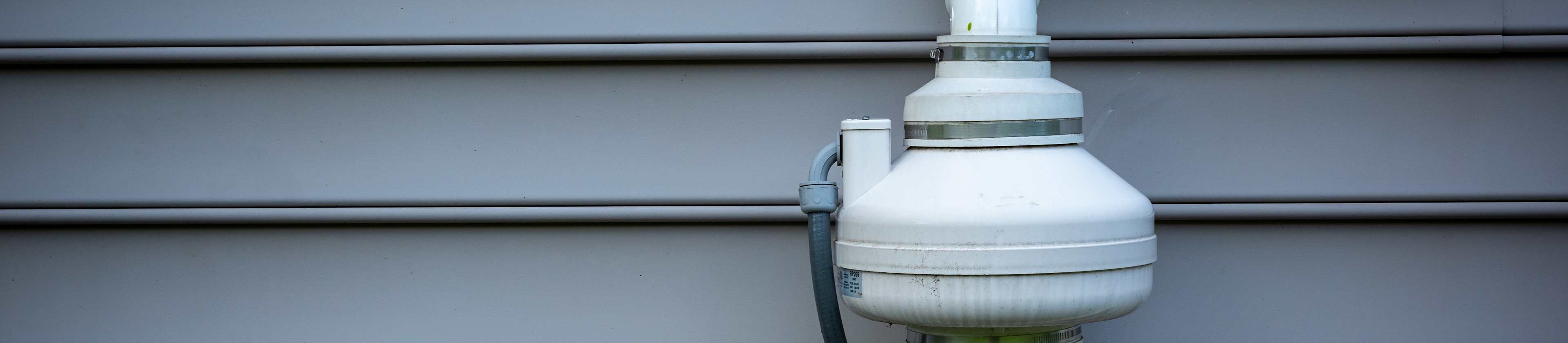
Your radon mitigation system may be loud because it’s time to replace it. Any sounds are usually from the inline fan that helps create the vacuum and resulting airflow. If you hear a new, loud mechanical or humming noise from your radon fan, it might be time to replace it. Most fans used in radon mitigation systems last up to 10 years, but may need to be replaced sooner.

The average radon mitigation system uses about 876 kWh of electricity per year, although the exact amount of electricity used will vary depending on the size of the radon fan. Once the system is installed, the annual increase to your energy bill could range from $30 to $300 per year, again depending on the size of the fan.

Abatement includes sealing entry points and venting with systems that reduce radon levels below recommended EPA limits. It is handled by certified professionals.

There are steps you can take as a homeowner to remediate radon yourself. While a radon reduction professional can make the biggest impact in your home, you can make efforts to improve radon levels on your own by sealing cracks, increasing ventilation, and testing for radon regularly.

The lifespan of a radon mitigation system depends on the type of system and its maintenance. With proper care, a system can last for many decades. Passive systems tend to last longer as they have fewer components that require replacement. Active systems, which have more moving parts like fans, generally have a shorter lifespan. For instance, water filtration devices and active pressurization systems require more frequent maintenance. While the system as a whole is durable, the radon fan in an active system typically has a lifespan of 5 to 10 years and will need to be replaced. As long as the fan is working, the mitigation system should function correctly.

The Deckerville, MI homeowners’ guide to radon detection and reduction services

From average costs to expert advice, get all the answers you need to get your job done.