

Top-rated radon detection and reduction specialists.

Get matched with top radon detection and reduction specialists in Harbor Beach, MI

Enter your zip and get matched with up to 5 pros

Need a pro for your radon detection and reduction project in Harbor Beach, MI?

Select your specific project to find the pro for you.

Find Radon detection and reduction specialists in Harbor Beach

Avatar for Epic Radon Solutions
Epic Radon Solutions
4.9(
140
)
Radon Gas - Abatement

Serving Harbor Beach, MI and surrounding areas

Approved

In business since 2021

Free estimates

Small jobs welcome

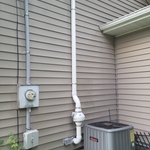
"We had a special situation, and Epic was the only company willing to come out to help us evaluate the best location for installation. Installer was great - he recognized asbestos tile on the basement floor, and recommended appropriate remediation service. System is basically invisible - no ugly pipe up the outside of the house! Follow-up test shows radon level reduced to well under recommended minimum."
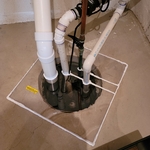
Standard Radon Mitigation
Response time12 hrs
Response rate89%
58 neighbors recently requested a quote

Radon Detection and Reduction questions, answered by experts

Radon is the number one non-smoking cause of lung cancer in the United States, but it can cause some other concerning side effects in the meantime. If you have a raspy voice, chest pains, trouble breathing, difficulty swallowing, or any of the above, don’t hesitate to perform radon testing and install a mitigation system as soon as possible.

The average radon mitigation system uses about 876 kWh of electricity per year, although the exact amount of electricity used will vary depending on the size of the radon fan. Once the system is installed, the annual increase to your energy bill could range from $30 to $300 per year, again depending on the size of the fan.

The lifespan of a radon mitigation system depends on the type of system and its maintenance. With proper care, a system can last for many decades. Passive systems tend to last longer as they have fewer components that require replacement. Active systems, which have more moving parts like fans, generally have a shorter lifespan. For instance, water filtration devices and active pressurization systems require more frequent maintenance. While the system as a whole is durable, the radon fan in an active system typically has a lifespan of 5 to 10 years and will need to be replaced. As long as the fan is working, the mitigation system should function correctly.

While DIY testing is possible, abatement generally requires professional installation to ensure efficacy and meet safety standards.

If your home has a sump pit, you can integrate it with a radon mitigation system. You can accomplish this by sealing the pump cover with an airtight lid that accommodates radon vent pipes and sump pump hoses. This allows the vent pipe to redirect the radon gas outside of your home.

The Harbor Beach, MI homeowners’ guide to radon detection and reduction services

From average costs to expert advice, get all the answers you need to get your job done.